

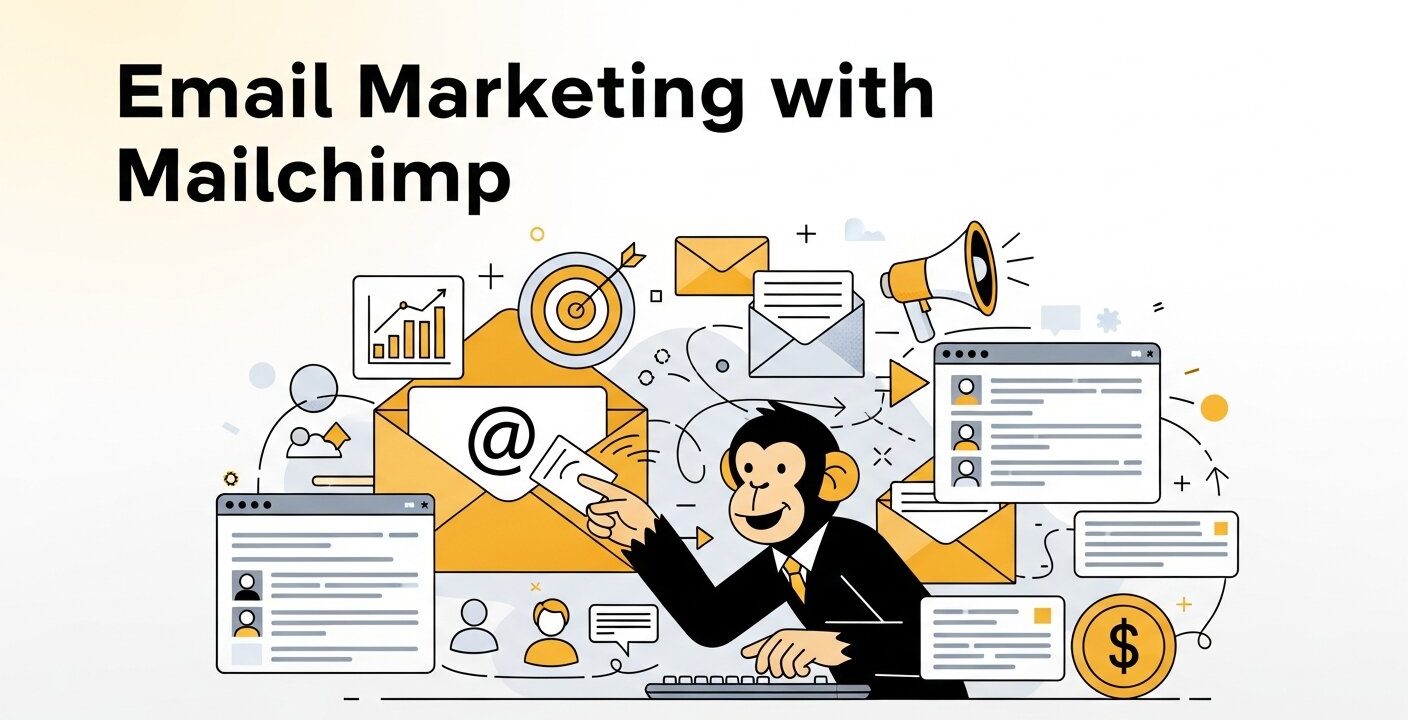
Email marketing remains one of the most effective tools for businesses to engage with their audiences, build customer relationships, and drive conversions. But with so many platforms available, selecting the right one can be overwhelming. Enter Mailchimp, the powerhouse platform that simplifies email marketing while delivering advanced tools to ensure your campaigns are a success.
Whether you’re new to email marketing or looking to refine your strategy, this guide will walk you through how Mailchimp can help you achieve your business goals.
Why Choose Mailchimp for Email Marketing?
Mailchimp has established itself as a leading email marketing platform, used by millions of businesses worldwide. But what makes it stand out? Here’s why Mailchimp might just be what your email marketing strategy needs:
- Ease of Use: Mailchimp’s interface is intuitive and user-friendly, making it an excellent choice for beginners and pros alike.
- All-in-One Platform: Beyond email marketing, Mailchimp also offers tools for social media management, digital ads, and even e-commerce integration.
- Powerful Automation: Set up automated campaigns to nurture leads, drive sales, or simply welcome new customers.
- Scalable for All Business Sizes: Whether you’re running a startup or a well-established business, Mailchimp grows with you.
Essential Features of Mailchimp That Enhance Your Email Marketing
To maximize your email marketing efforts, it’s crucial to leverage Mailchimp’s robust features. Here’s how these tools can give your strategy a boost.
1. Customizable Templates
Creating beautiful emails doesn’t require a design degree. Mailchimp offers a variety of customizable templates that can be easily tailored to match your brand’s style and tone.
Best Practices:
- Use consistent colors and fonts to reinforce brand recognition.
- Keep your design clean for better readability on both desktop and mobile devices.
2. Audience Segmentation
Segmenting your email list allows you to send personalized content to specific groups within your audience. Mailchimp makes segmentation easy with criteria such as demographics, customer behavior, and purchase history.
Example Use Case:
A pet shop could send one email about dog supplies to dog owners and another about cat supplies to cat owners instead of lumping everyone into a single campaign.
Pro Tip: Personalization drives results. Emails with personalized subject lines have a 26% higher open rate.
3. Automated Workflows
One of Mailchimp’s most celebrated features is its automation. Effortlessly send welcome emails to new subscribers, follow-ups to customers who abandoned their carts, or re-engagement campaigns to inactive users.
Key Automation to Try:
- Birthday Emails: Delight subscribers with a special offer on their big day.
- Onboarding Sequences: Introduce new subscribers to your brand step by step.
Automation saves time and ensures you’re connecting with your audience at the right moments.
4. Detailed Analytics
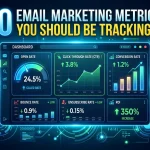
Effective email marketing isn’t just about launching campaigns; it’s about tracking and improving their performance. Mailchimp’s analytics dashboard provides insights into:
- Open rates
- Click-through rates
- Bounce rates
- Subscriber demographics
Tip: Use A/B testing to refine subject lines, email content, and send times based on what works best.
5. E-commerce Integration
For businesses selling products or services online, Mailchimp integrates seamlessly with e-commerce platforms like Shopify and WooCommerce. This allows you to:
- Track which emails drive the most purchases.
- Recommend products based on customer browsing or purchase behavior.
Example: Send a follow-up email recommending products related to your customer’s recent purchase.
How to Get Started with Mailchimp
 If Mailchimp sounds like the right fit for your business, here’s how to start leveraging its power:
- Sign Up and Set Up Your Account: Go to Mailchimp’s website, create an account, and fill out the basic details of your business.
- Build Your Email List: Import existing contacts or use Mailchimp’s signup forms to grow your list.
- Create Your First Campaign: Design your email using Mailchimp templates, personalize it for your audience, and use strong calls to action (CTAs).
- Set Up Your Tracking: Ensure you’ve properly enabled analytics to monitor engagement metrics after your campaign goes live.
- Experiment and Scale: Use the data and insights to refine your campaigns, experiment with new strategies, and grow your email marketing efforts.
Why Email Marketing Still Matters
Despite the rise of social media and other digital channels, email marketing continues to deliver unmatched ROI. In fact:
- For every $1 spent on email marketing, the average return is $42.
- Email marketing boasts significantly higher conversion rates than social media.
Mailchimp’s tools are specifically designed to take advantage of email marketing’s strengths, ensuring your campaigns resonate with your audience and meet your business goals.
Unlock the Full Potential of Email Marketing with Mailchimp
Email marketing isn’t just about blasting messages into the void. It’s about building meaningful connections with your audience and delivering value in a personalized way.
With Mailchimp, you gain access to the tools and features you need to simplify, optimize, and scale your email campaigns. Whether you’re just starting or looking to elevate your marketing strategy, Mailchimp can help you craft emails that convert.
Are you ready to see the magic of Mailchimp in action? Sign up today and explore Mailchimp for free to take your email marketing to the next level.
Maximizing Campaign Profitability
Generating consistent returns from email campaigns requires strategy, testing, and optimization. Businesses that focus on subscriber behavior, segmentation, and compelling calls-to-action often see stronger performance. By analyzing conversion data and adjusting offers accordingly, companies can steadily increase Email Marketing Revenue over time. Small improvements—like refining subject lines or improving landing page alignment—can significantly impact profitability. Additionally, tracking customer lifetime value helps measure long-term success rather than just short-term sales spikes. When email campaigns are built around measurable goals and clear KPIs, they become powerful revenue-generating channels that support sustainable business growth while maintaining strong customer relationships.
Strengthening B2B Communication
 Email marketing is not limited to consumer brands; it is equally powerful for professional audiences. In B2B Email Marketing, campaigns often focus on nurturing leads, sharing industry insights, promoting webinars, and supporting long sales cycles. Decision-makers value informative, data-driven content that helps them solve real business problems. Personalized outreach and targeted segmentation can build trust and authority over time. Automated follow-up sequences ensure prospects remain engaged throughout the buyer journey. By providing educational resources, case studies, and tailored offers, businesses can position themselves as reliable partners while increasing qualified leads and improving conversion rates in competitive industries.
Building Trust and Credibility
Many new marketers ask whether email marketing is legitimate or outdated. The answer is clear: Email Marketing Legit strategies are built on permission-based communication and value-driven content. Trust begins with transparency—clearly stating why subscribers are receiving messages and providing easy opt-out options. Sending consistent, relevant content strengthens credibility and fosters long-term loyalty. Avoiding spammy language and maintaining clean email lists further enhances deliverability and reputation. When businesses respect subscriber preferences and privacy, they build strong brand authority. Ethical email marketing practices not only protect compliance but also create a positive perception that encourages engagement and repeat interaction.
Improving Lead Nurturing
Not every subscriber is ready to buy immediately. Lead nurturing emails guide prospects gradually toward conversion by providing helpful information and building confidence. Educational content, case studies, testimonials, and product demonstrations can address common objections and answer key questions. Automated sequences ensure consistent communication without overwhelming recipients. By aligning messaging with different stages of the sales funnel, businesses can create meaningful touchpoints that keep leads engaged. Effective nurturing reduces drop-offs, increases trust, and shortens sales cycles. When done correctly, email becomes a supportive tool that moves prospects naturally from awareness to decision-making.
Enhancing Customer Retention
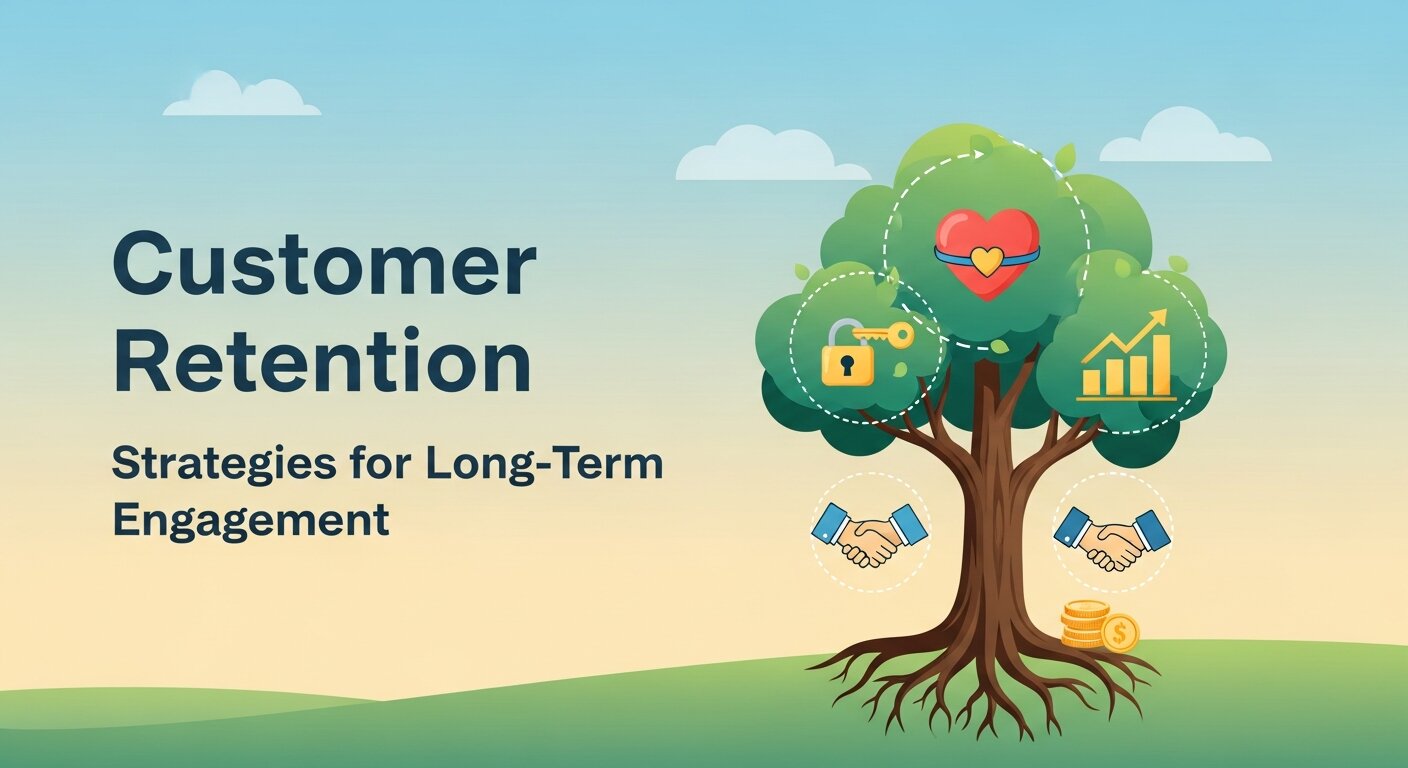 Retaining existing customers is often more cost-effective than acquiring new ones. Email campaigns focused on loyalty programs, exclusive offers, and personalized recommendations help strengthen long-term relationships. Post-purchase follow-ups, feedback requests, and milestone celebrations make customers feel valued. Consistent communication ensures your brand remains top of mind while offering ongoing value. Segmenting repeat buyers and offering tailored incentives can significantly increase customer lifetime value. By prioritizing retention-focused emails, businesses can reduce churn and build a loyal customer base that advocates for the brand and contributes to steady, predictable growth.
Optimizing Mobile Experience
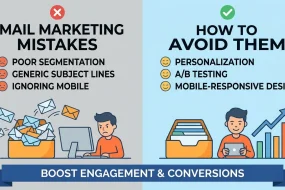
With a significant portion of emails opened on smartphones, mobile optimization is essential. Responsive design ensures that emails adjust seamlessly across different screen sizes. Clear fonts, concise copy, and well-spaced buttons improve readability and usability. Short subject lines and preview text can capture attention quickly on mobile inboxes. Testing emails across devices helps identify formatting issues before campaigns go live. A smooth mobile experience reduces bounce rates and increases engagement. Businesses that prioritize mobile-friendly design demonstrate professionalism and ensure subscribers can easily interact with content wherever they are.
Using A/B Testing for Better Results
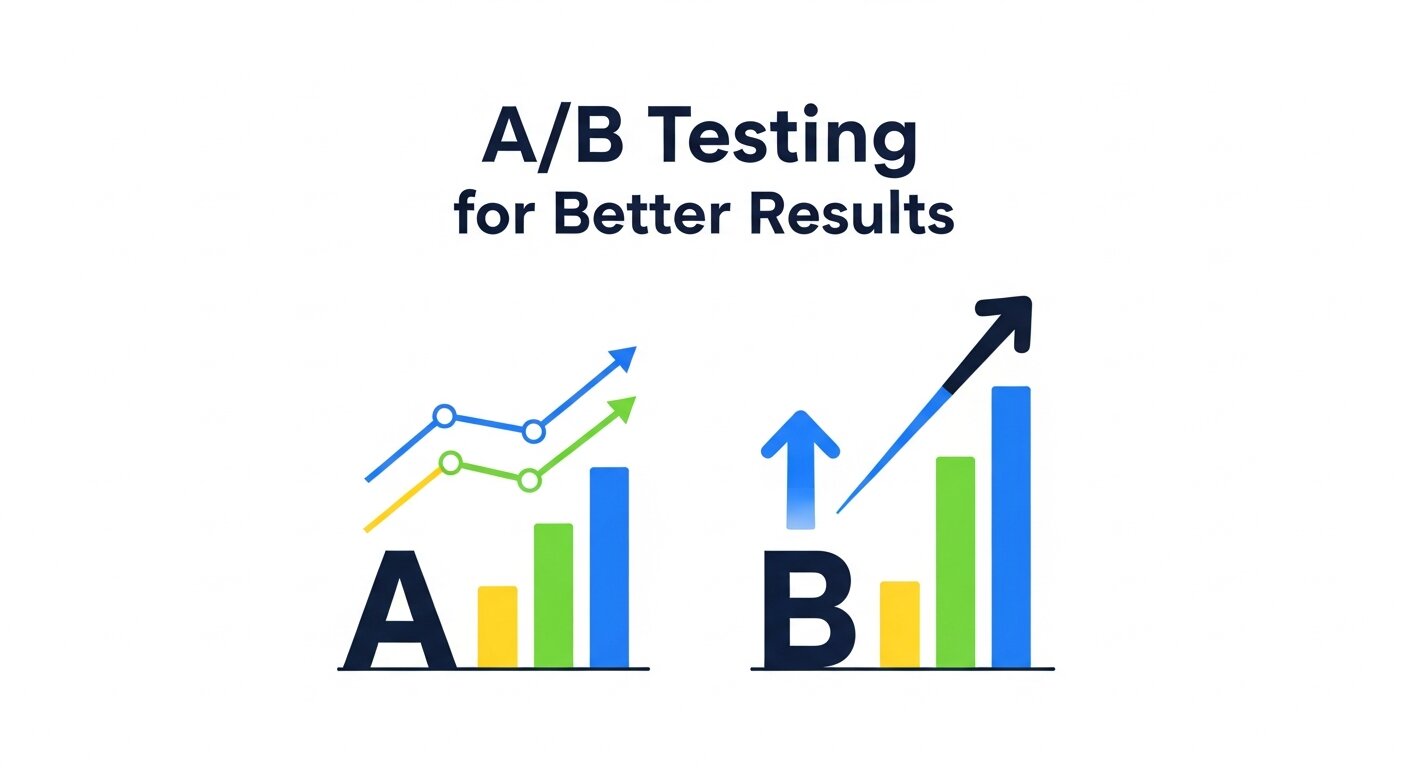 Continuous improvement is key to email marketing success. A/B testing allows businesses to experiment with subject lines, content layouts, call-to-action buttons, and sending times. By comparing performance metrics, marketers can identify which variations resonate most with their audience. Even small adjustments—like changing a single word in a subject line—can significantly impact open rates. Testing should be consistent and data-driven rather than based on assumptions. Over time, insights gathered from A/B testing refine campaign strategies and maximize engagement. This systematic approach helps businesses stay competitive and responsive to changing audience preferences.
Personalizing Customer Experiences
Personalization goes beyond inserting a subscriber’s first name. Tailored recommendations, dynamic content blocks, and behavior-based triggers create more relevant experiences. Emails that reflect previous interactions, browsing behavior, or purchase history feel thoughtful and customized. This approach increases engagement and encourages action. Segmentation combined with automation ensures subscribers receive messages that align with their interests. Personalized communication fosters stronger emotional connections and brand loyalty. When businesses deliver value that matches individual needs, subscribers are more likely to open emails, click links, and convert into loyal customers.
Scaling for Long-Term Growth
As businesses expand, email marketing strategies must evolve accordingly. Scalable systems allow companies to manage larger subscriber bases without losing personalization. Automation workflows, advanced segmentation, and performance analytics support growth without sacrificing efficiency. Expanding into new markets may require localized messaging and adjusted campaign timing. Monitoring performance trends ensures strategies remain aligned with business objectives. A strong foundation built on data-driven decisions and consistent testing allows email marketing to grow alongside the organization. With the right approach, email becomes a long-term asset that drives sustainable growth and consistent engagement.
Frequently Asked Questions (FAQs)
1. What is Mailchimp used for?
Mailchimp is an all-in-one marketing platform primarily used for email marketing. It allows businesses to create, send, automate, and analyze email campaigns. In addition to email, Mailchimp also supports social media ads, landing pages, audience management, and e-commerce integrations.
2. Is Mailchimp good for beginners?
Yes, Mailchimp is highly beginner-friendly. Its drag-and-drop email builder, pre-designed templates, and intuitive dashboard make it easy for users with no technical or design experience to launch professional email campaigns.
3. Does Mailchimp offer automation features?
Absolutely. Mailchimp provides powerful automation tools such as welcome emails, abandoned cart reminders, re-engagement campaigns, birthday emails, and onboarding sequences. These automated workflows help businesses save time and improve customer engagement.
4. Can Mailchimp integrate with e-commerce platforms?
Yes. Mailchimp integrates seamlessly with popular e-commerce platforms like Shopify and WooCommerce. This allows businesses to track purchases, recommend products, and send targeted follow-up emails based on customer behavior.
5. How does Mailchimp help with audience segmentation?
Mailchimp enables businesses to segment audiences based on demographics, purchase history, engagement behavior, and more. This helps send personalized and highly targeted campaigns, which can improve open rates and conversions.
6. What analytics does Mailchimp provide?
Mailchimp offers detailed analytics, including open rates, click-through rates (CTR), bounce rates, conversion tracking, and subscriber insights. These metrics help businesses measure campaign performance and optimize future emails.
7. Is Mailchimp free to use?
Mailchimp offers a free plan with limited features, suitable for small businesses or beginners. Paid plans provide advanced automation, segmentation, A/B testing, and deeper analytics for growing businesses.
8. How do I grow my email list using Mailchimp?
You can grow your email list by using Mailchimp’s customizable signup forms, landing pages, and social media integrations. Offering incentives like discounts or exclusive content can also encourage signups.
9. How does Mailchimp improve email marketing ROI?
Mailchimp improves ROI by offering personalization, automation, segmentation, A/B testing, and performance tracking. These tools ensure emails are relevant, timely, and optimized for higher engagement and conversions.
10. Is Mailchimp suitable for large businesses?
Yes. Mailchimp is scalable and supports businesses of all sizes. Its advanced automation, integrations, and analytics make it suitable for startups, growing brands, and established enterprises alike.


I'm Email Marketer who crafts targeted campaigns that drive engagement, nurture leads, and boost conversions. With a passion for creating personalized email strategies.






No Comments