

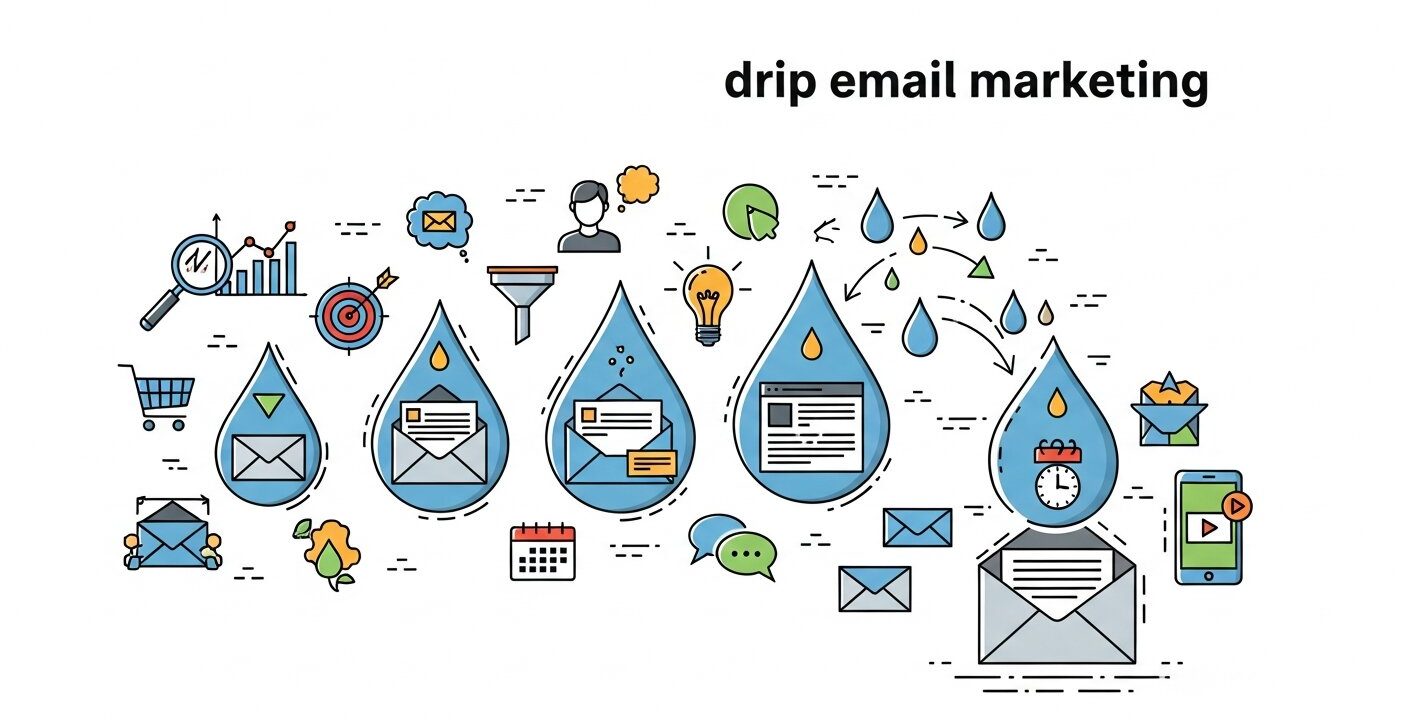
Drip email marketing allows businesses to automate personalized communication while guiding subscribers through their customer journey. Effective campaigns nurture leads, increase conversions, and foster long-term loyalty. By following best practices and continuously analyzing performance, drip campaigns become a powerful, sustainable marketing tool.
Email marketing remains one of the most effective ways to engage your audience, nurture leads, and drive conversions. Among all strategies, drip email marketing stands out because it allows businesses to deliver personalized, automated emails based on subscriber behavior, preferences, and timelines. However, many marketers have questions about how to implement, optimize, and measure the success of drip campaigns. This FAQ section addresses common concerns, helping both beginners and experienced marketers understand how to leverage drip email marketing effectively for better engagement, higher conversions, and long-term customer loyalty.
Understanding Drip Email Marketing
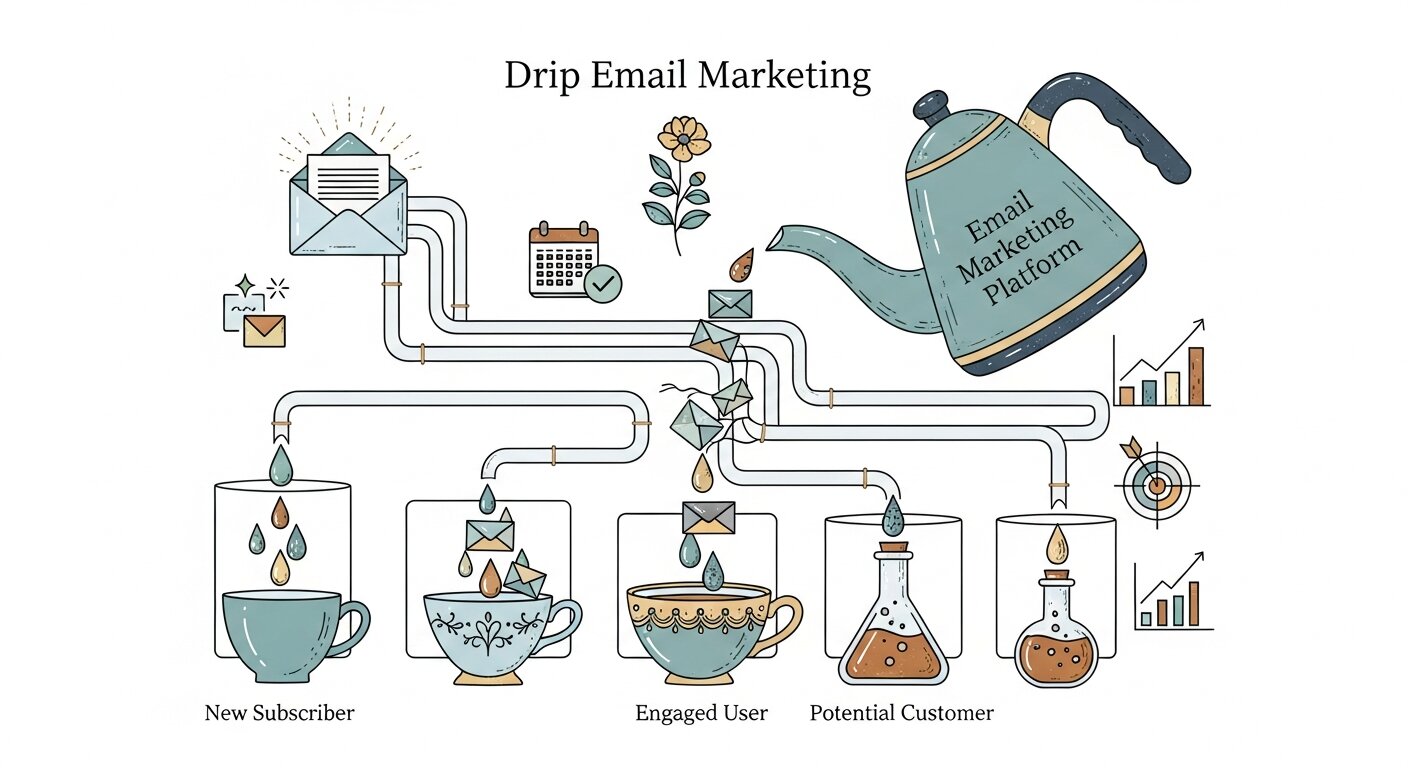
Drip email marketing is a highly effective automated strategy that sends a series of pre-written emails to subscribers based on specific triggers or timelines. Unlike traditional one-time email blasts that reach everyone at once, drip email marketing allows businesses to deliver targeted, relevant content at the right moment. By spacing messages strategically over days, weeks, or even months, this approach nurtures leads, builds trust, and moves prospects through the customer journey without overwhelming them.
The power of drip email marketing lies in its automation and personalization. Once you create a sequence, the system handles delivery according to predefined rules, ensuring that each subscriber receives messages tailored to their behavior and preferences. This consistent, timely communication maximizes engagement while minimizing manual effort, making it an essential tool for marketers looking to scale their campaigns effectively.
How Drip Email Marketing Works
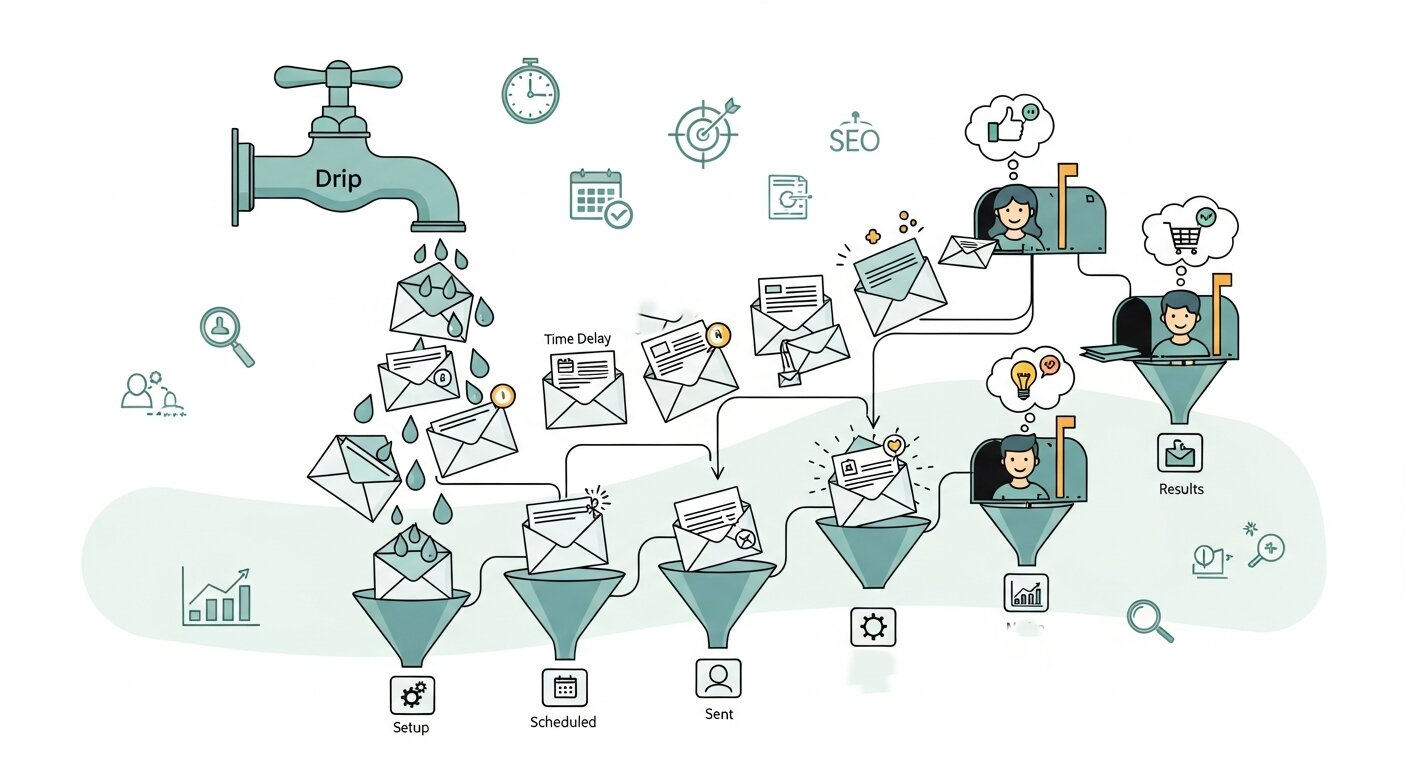
Drip email marketing operates on a principle often summarized as “the right message, to the right person, at the right time.” The process typically involves several key components:
Trigger Events
Every drip campaign begins with a trigger event. This could include actions like subscribing to a newsletter, downloading a resource, making a purchase, abandoning a shopping cart, or even reaching a milestone such as a birthday. Triggers ensure that messages are highly relevant to each subscriber’s journey.
Automated Sequences
Once a trigger occurs, the system sends a carefully planned series of emails automatically. These sequences can be spaced according to your strategy—hours, days, or weeks apart—to nurture leads gradually and effectively.
Personalization
Drip email marketing excels at personalization. Emails can be customized based on data such as name, location, past purchases, or engagement behavior. Personalized emails are proven to increase open and click-through rates, making your campaigns more impactful.
Behavioral Responses
Advanced drip campaigns can adapt in real time to subscriber behavior. For example, if a recipient clicks a specific link, the system can send follow-up content aligned with their interests. Conversely, subscribers who do not engage may receive a different email designed to re-engage them.
Types of Drip Email Campaigns
Welcome Series
Welcome emails are a critical first impression in any drip email marketing strategy. They set the tone for your relationship with new subscribers and often achieve the highest open rates. An effective welcome series might include:
- A warm, immediate welcome thanking the subscriber for joining
- An introduction to your brand, mission, and values
- Clear expectations about email frequency and content
- A valuable resource, guide, or special offer to encourage early engagement
Lead Nurturing Campaigns
Lead nurturing campaigns guide prospects through your sales funnel by delivering timely, informative content. These drip email marketing sequences help build trust and educate subscribers about your products or services. Typical lead nurturing emails include:
- Industry insights, tips, or educational content
- Case studies highlighting customer success stories
- Product demonstrations or how-to guides
- Gentle calls-to-action prompting further interaction
Abandoned Cart Recovery
For e-commerce businesses, abandoned cart campaigns are a key revenue driver. Drip email marketing ensures that reminders reach the right customers at the right time, increasing the likelihood of conversion. These campaigns often include:
- Friendly reminders about items left in the cart
- Customer reviews or testimonials for the abandoned products
- Limited-time offers or incentives to complete the purchase
- Alternative product recommendations to maintain interest
Re-engagement Campaigns
Subscribers who become inactive can be brought back through re-engagement campaigns. Drip email marketing allows businesses to design sequences that reignite interest without being intrusive. Strategies may include:
- Exclusive offers for inactive subscribers
- Short surveys asking for feedback on email preferences or content
- A final “We miss you” message before considering removal from the list
By implementing drip email marketing thoughtfully, businesses can maintain ongoing engagement, improve conversion rates, and deliver a more personalized experience to subscribers. Whether it’s welcoming new leads, nurturing prospects, recovering abandoned carts, or re-engaging inactive subscribers, drip email marketing provides a structured, automated approach to building long-term relationships and driving results.
Benefits of Drip Email Marketing
Improved Conversion Rates
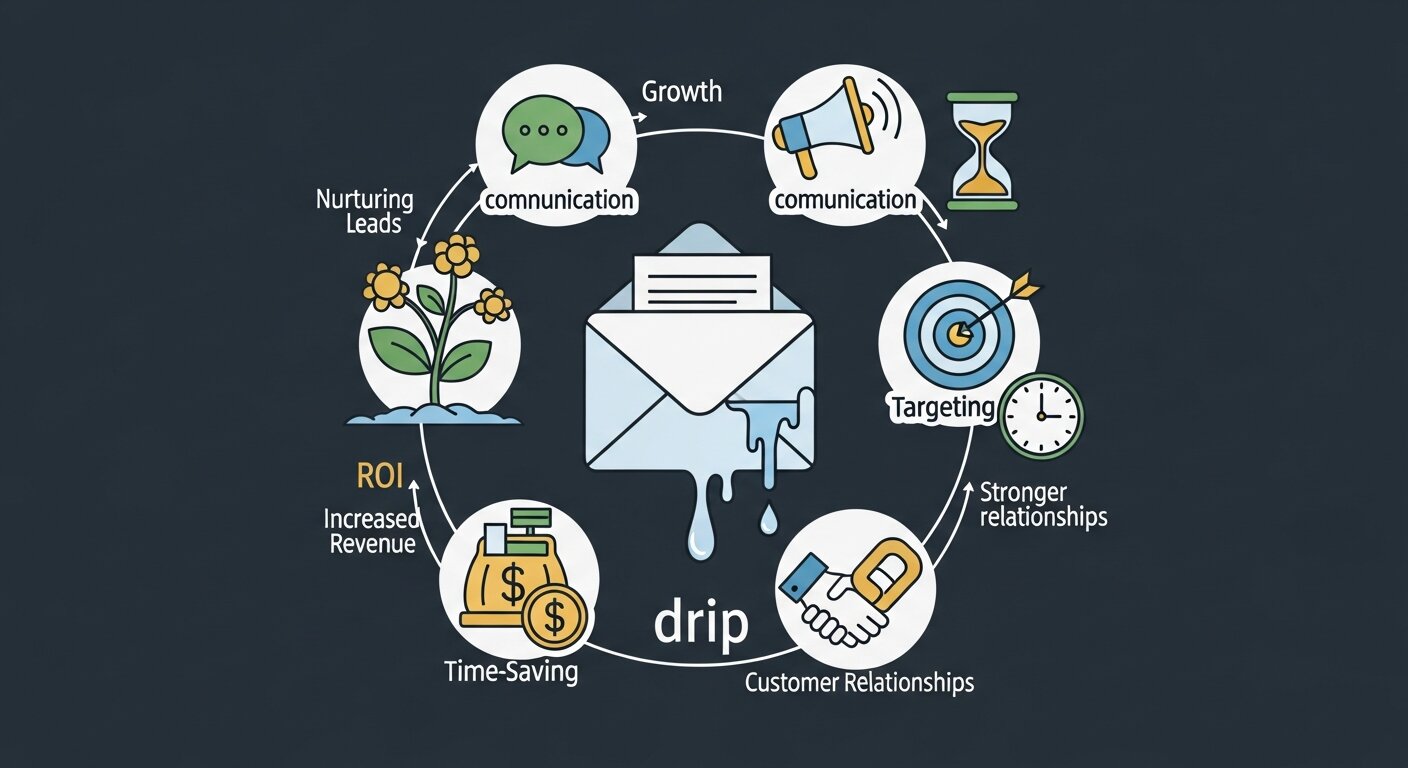
Drip email marketing consistently outperforms one-off emails because it focuses on building meaningful relationships over time. By delivering the right content at each stage of the customer journey, you guide subscribers gradually from awareness to decision-making. This targeted approach ensures that leads receive information relevant to their needs, increasing the likelihood of converting them into paying customers.
Time and Resource Efficiency
One of the key advantages of drip email marketing is automation. Once you set up your campaign, emails are sent automatically based on triggers or timelines, freeing your marketing team to focus on strategic initiatives. This consistent, automated communication eliminates the need for constant manual effort while ensuring subscribers receive timely messages.
Enhanced Personalization
Drip email marketing allows for precise segmentation and customization of content. By leveraging subscriber behavior, preferences, and engagement history, you can create highly targeted emails that feel personal and relevant. This enhanced personalization increases open and click-through rates, strengthens brand affinity, and fosters long-term customer relationships.
Better Customer Retention
Regular, value-driven communication keeps your brand top-of-mind with customers. Drip email marketing ensures that you stay connected with subscribers by providing educational content, product updates, or exclusive offers over time. By nurturing existing customers, you can encourage repeat purchases and foster loyalty, ultimately boosting lifetime customer value.
Measurable Results
Drip email marketing is data-driven, allowing marketers to track detailed performance metrics for each email in a sequence. Platforms provide insights into open rates, click-through rates, conversions, and engagement patterns. By analyzing this data, you can refine your campaigns, test new strategies, and continuously optimize for better results.
Best Practices for Successful Drip Campaigns
Define Clear Goals
Before launching any drip campaign, establish specific objectives. Are you aiming to nurture leads, increase conversions, retain customers, or educate your audience? Clear goals help guide the content strategy, determine the types of emails you send, and provide benchmarks for measuring success in your drip email marketing efforts.
Know Your Audience
Understanding your audience is essential for effective drip email marketing. Create detailed buyer personas using data from surveys, purchase history, website behavior, and feedback. This understanding allows you to send messages that resonate with subscriber needs, preferences, and pain points, making your campaigns more effective.
Create Valuable Content
Every email in your drip sequence should provide tangible value to subscribers. This might include educational resources, product tips, exclusive offers, or entertaining stories that reflect your brand voice. Valuable content ensures subscribers remain engaged and continue interacting with your emails over time.
Test and Optimize
Continuous testing is critical for successful drip email marketing. Experiment with subject lines, email formats, send times, call-to-action placement, and personalization strategies. A/B testing helps you identify which approaches yield higher engagement and conversion rates, allowing you to refine your campaigns for maximum impact.
Monitor Performance Metrics
Tracking key metrics such as open rates, click-through rates, conversion rates, and unsubscribe rates is essential. These insights provide feedback on what works and what doesn’t in your drip campaigns. Regular monitoring allows you to make data-driven adjustments that improve both engagement and ROI.
Getting Started with Drip Email Marketing
Launching your first drip email marketing campaign doesn’t have to be overwhelming. The key is to start simple and gradually build complexity as you gain confidence and insights from your audience. A highly recommended starting point is a welcome series for new subscribers. This series introduces your brand, sets expectations for future communication, and immediately provides value to your audience.
A well-crafted welcome series might include multiple emails spaced over a few days or weeks:
- Introduction Email: Thank subscribers for joining, highlight your brand mission, and briefly outline what they can expect from future emails.
- Value-Focused Email: Share useful resources, such as guides, blog posts, or templates, that address common pain points or questions in your niche.
- Engagement Email: Encourage interaction through surveys, polls, or links to your social media profiles. This helps you learn more about subscriber interests and preferences.
- Incentive Email (Optional): Provide a special offer, free trial, or downloadable resource to encourage first-time engagement or conversion.
Once you become comfortable with creating and managing these basic sequences, you can expand to more advanced drip campaigns tailored to specific goals. For example:
- Lead Nurturing Campaigns: Designed to educate and guide prospects through the sales funnel by sending content such as tutorials, case studies, or product demos.
- Abandoned Cart Recovery Emails: Automatically remind shoppers of items left in their cart, offer product reviews or testimonials, and provide limited-time incentives to complete the purchase.
- Re-engagement Campaigns: Target inactive subscribers with special offers, surveys, or personalized content to rekindle their interest before considering removal from your list.
Choosing the Right Platform for Drip Email Marketing
Selecting an email marketing platform that supports automation, segmentation, and analytics is critical for successful drip email marketing. Popular tools like Mailchimp, ConvertKit, and ActiveCampaign provide intuitive interfaces that allow you to design automated sequences, segment your audience based on behavior, and track key performance metrics.
- Automation Features: These allow you to create triggers and schedule emails, reducing manual effort while ensuring timely communication.
- Segmentation Capabilities: You can target subscribers based on demographics, past engagement, or purchase behavior, making your messages more relevant.
- Performance Tracking: Detailed analytics for each email in a sequence help you identify high-performing content and optimize underperforming emails.
Choosing the right platform ensures that your drip email marketing campaigns are scalable, manageable, and effective as your subscriber base grows.
Drip Email Marketing as a Long-Term Strategy
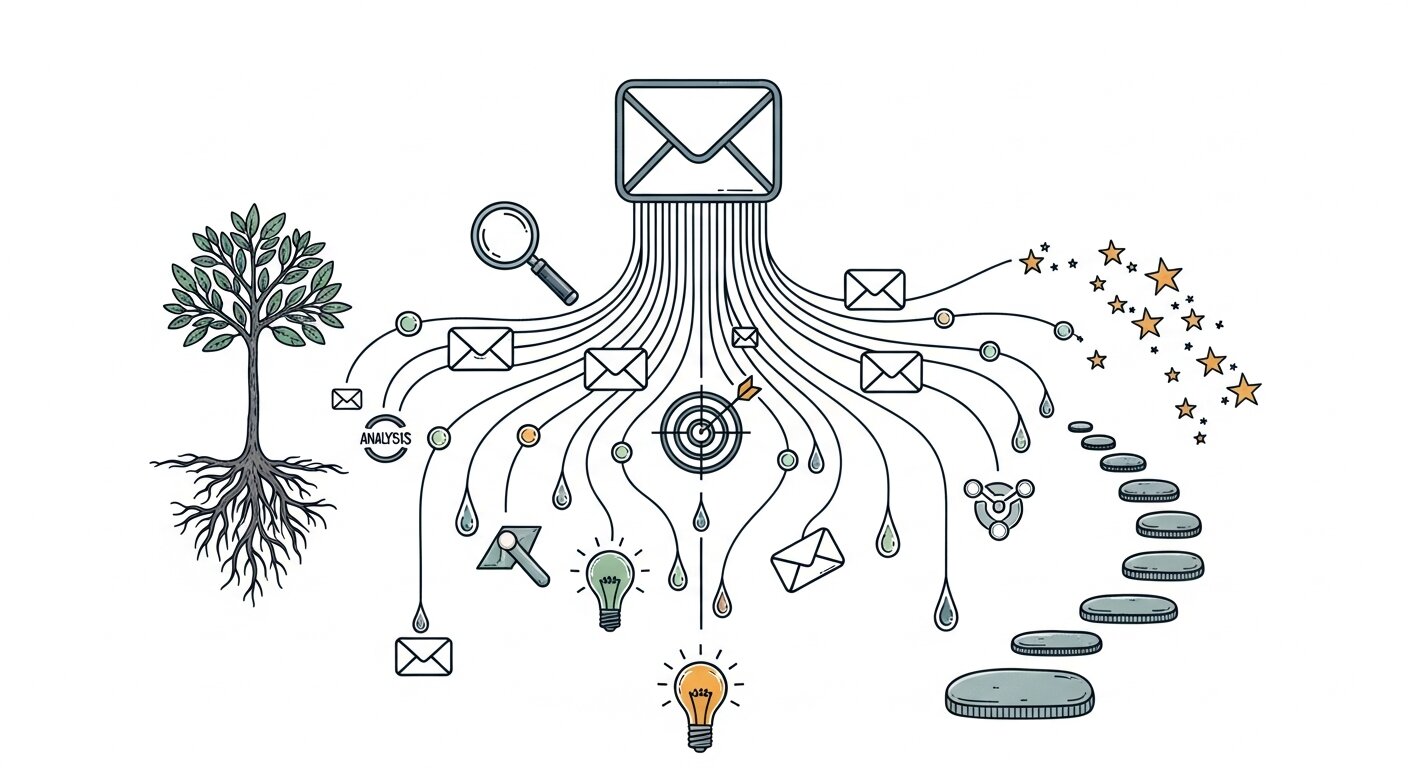
It’s important to remember that drip email marketing is not a quick-fix tactic. While you might see some immediate results from a well-crafted welcome series or an abandoned cart reminder, the true value comes from consistent, personalized communication over time. By regularly providing relevant, helpful content, you build trust, nurture leads, and strengthen relationships with your audience.
Consistency is key. A subscriber who receives valuable content in a timely, thoughtful sequence is more likely to engage, share your emails with others, and convert into a loyal customer. Over time, this approach generates sustainable growth, higher lifetime customer value, and measurable ROI.
Transform Your Marketing with Drip Campaigns
Drip email marketing is one of the most powerful tools for automating your customer communication while maintaining a personal touch. By sending the right message to the right subscriber at the right time, you create a more meaningful and relevant experience for your audience. This approach allows you to nurture leads effectively, increase conversion rates, and strengthen customer loyalty.
Start small with a basic welcome series, carefully monitor engagement and performance metrics, and use insights to expand your campaigns. Over time, you can create multi-step sequences for lead nurturing, retention, and re-engagement, each personalized to the behavior and interests of your audience.
With patience, continuous optimization, and a focus on delivering real value, drip email marketing can become a cornerstone of your digital marketing strategy. It allows you to build long-term relationships with your subscribers, improve conversions, and achieve measurable business growth—making it an essential tool for any marketer serious about sustainable results.
Frequently Asked Questions
What is drip email marketing?
Drip email marketing is an automated strategy that sends a series of pre-written emails to subscribers based on specific triggers or time intervals. Unlike one-time email blasts, drip campaigns deliver targeted content at the right moment to guide subscribers through their customer journey.
How does drip email marketing work?
It works through triggers, automated sequences, personalization, and behavioral responses. When a subscriber performs an action—like signing up, making a purchase, or abandoning a cart—a pre-designed email sequence is sent automatically. The emails can adapt based on engagement and behavior.
What types of drip email campaigns are there?
Common types include welcome series, lead nurturing campaigns, abandoned cart recovery emails, and re-engagement campaigns. Each type serves a specific purpose in guiding subscribers, retaining customers, or boosting conversions.
Why is drip email marketing important for businesses?
Drip email marketing increases engagement, builds trust, and automates communication. By sending the right message at the right time, businesses can nurture leads, encourage repeat purchases, and maintain ongoing relationships without constant manual effort.
How do I start my first drip campaign?
Start with a simple welcome series for new subscribers. Introduce your brand, provide valuable content, and set expectations for future emails. Once comfortable, expand to more advanced campaigns like lead nurturing or re-engagement sequences.
How can I personalize my drip emails effectively?
Segment your audience based on behavior, preferences, purchase history, or engagement. Include personalized subject lines, content, and offers that resonate with each segment, which improves open rates, click-throughs, and conversions.
How often should I send drip emails?
Frequency depends on your audience and campaign goals. Some sequences may send daily, while others work better weekly or monthly. Monitor engagement metrics and unsubscribe rates to find the ideal cadence.
Which platforms are best for drip email marketing?
Popular platforms include Mailchimp, ConvertKit, and ActiveCampaign. Look for automation capabilities, audience segmentation, performance tracking, and ease of use to effectively manage your campaigns.
How do I measure the success of drip email marketing?
Track metrics like open rates, click-through rates, conversion rates, and subscriber engagement. Analyzing these insights helps optimize content, timing, and segmentation for better campaign performance.
What are common mistakes to avoid in drip campaigns?
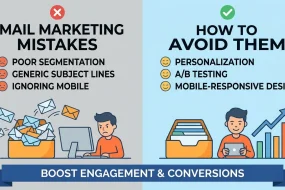
Avoid sending irrelevant content, overloading subscribers with emails, ignoring mobile optimization, and neglecting data analysis. Failing to segment your audience or test different approaches can reduce effectiveness and engagement.


I'm Email Marketer who crafts targeted campaigns that drive engagement, nurture leads, and boost conversions. With a passion for creating personalized email strategies.











No Comments