


The Environmental Footprint of Digital Messaging
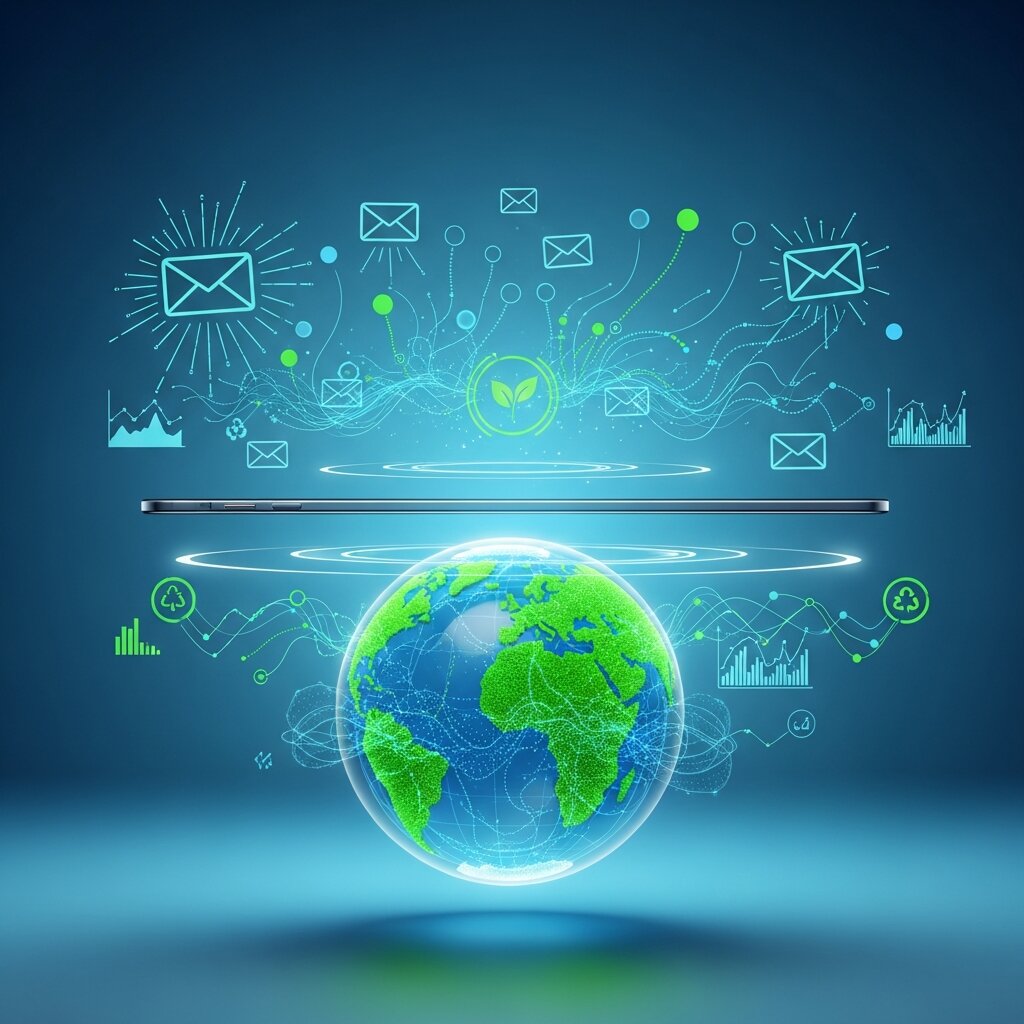
Every time you compose and send an email campaign, data packets traverse global networks, are stored in data centers and are finally rendered on recipient devices. Although each individual message may seem insignificant, when you send to thousands or millions of subscribers, the cumulative energy consumption—and associated greenhouse gas emissions—can be alarming. In fact, studies suggest that a single marketing email with a small attachment can generate up to 4 grams of CO₂ per recipient. Multiply that by your contact list and the ecological toll becomes clear.
Most data centers still rely on a mix of energy sources, and many draw heavily on non-renewable fuels. According to research by the U.S. Department of Energy, data center operations account for roughly 1% of total electricity consumption in the United States. Worldwide, this figure is even higher when you include network switches, routers and wireless access points. As digital communication volumes grow, so too does the environmental impact.
Understanding the environmental footprint of your email efforts begins with distinguishing between direct and indirect emissions. Direct emissions come from the electricity used to send and receive messages, while indirect emissions involve the upstream carbon produced during power generation and hardware manufacturing. By analyzing these factors, you gain insight into where to focus your sustainability initiatives. For instance, you might decide to reduce email frequency, compress file sizes or switch to providers that operate on renewable energy.
For context, the shift from print to digital communications has reduced paper waste and associated emissions. However, a common misconception is that all digital processes are inherently green. In reality, digital infrastructure has its own environmental challenges. Manufacturing servers and consumer electronics consumes raw materials and energy, and hardware disposal can create hazardous e-waste. A holistic approach to sustainable email marketing considers both operational emissions and the lifecycle of physical devices involved.
Leading universities like Stanford and MIT have begun to quantify the environmental costs of data-intensive services, highlighting that without efficiency improvements, digital pollution will increasingly rival traditional forms of waste. This makes it critical for marketers today to adopt strategies that limit unnecessary sends, simplify design elements and leverage cleaner energy sources. By doing so, you not only reduce your brand’s carbon liability but also improve the speed and performance of your email campaigns, delivering a win-win outcome for both the planet and your bottom line.
Finally, it’s worth noting that subscriber behavior can indirectly contribute to emissions. When recipients download and store heavy images or attachments on mobile devices, they use additional energy. Encouraging subscribers to access emails via lightweight web views or enabling image auto-loading only when users opt in can further reduce downstream carbon impacts. Every kilobyte you shave off counts toward your sustainability goals.
Measuring Carbon Emissions in Your Email Campaigns
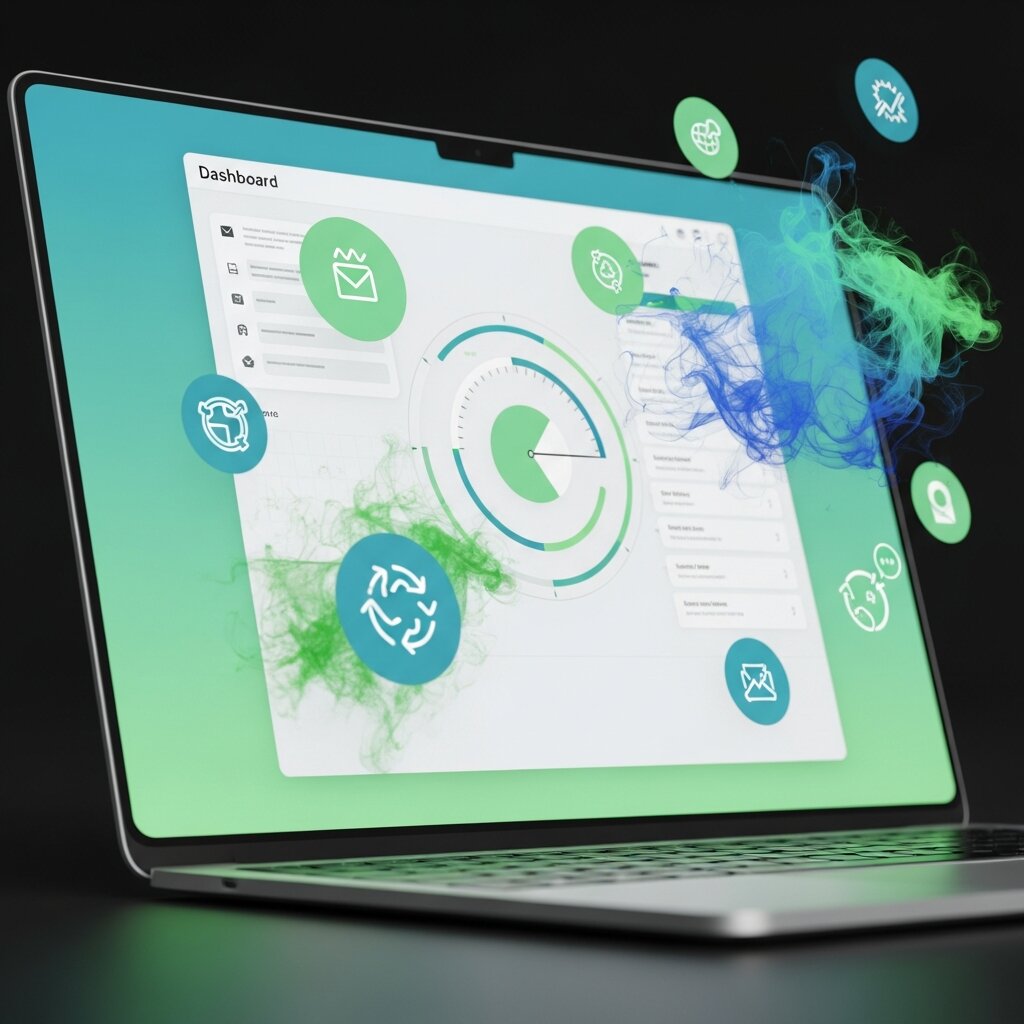
In order to implement sustainable email marketing effectively, establishing accurate metrics is essential. Without quantifiable data, you won’t know if your optimizations are making a real difference. Begin by conducting a comprehensive audit of your email operations. This involves gathering information on total sends per month, average email file size—images, attachments and HTML code—and open rates. These parameters serve as inputs for carbon footprint calculators and help you set realistic reduction targets.
Many leading email service providers now offer built-in sustainability dashboards that estimate CO₂ emissions based on your campaign volume. If your ESP does not have this feature, you can turn to third-party tools such as the Carbon Trust’s online calculator Carbon Trust or the Greenhouse Gas Protocol’s digital services guidelines. These platforms use standardized emission factors to translate data transfer volumes into grams of CO₂. For example, it is commonly estimated that transferring one megabyte of data results in roughly 0.02 kilograms of CO₂, although figures can vary by region and data center efficiency.
To create a reliable baseline, export historical campaign reports from your ESP covering at least six months of activity. Include metrics such as number of recipients, average email weight and engagement rates. Feed these numbers into your chosen calculator to derive an initial carbon estimate. Document your methodology, including any assumptions, so that you can replicate or refine the calculation over time. Consistency in data collection ensures that year-to-year comparisons remain valid, even as your email strategy evolves.
Once you have your baseline, set achievable carbon reduction goals. You might aim to cut emissions by 10% this year (2026) through a combination of design optimizations and send frequency adjustments. To track progress, integrate carbon metrics into your regular marketing KPIs. Consider building a custom dashboard using analytics tools or allocating a dedicated tab in your performance reports. This ensures that sustainability remains top of mind for your team and stakeholders. Learn more about tracking success in what is a good click rate for email marketing.
Finally, transparency in reporting can boost credibility. Consider publishing a brief sustainability report on your website or including summary data in your annual ESG disclosure. By sharing insights into your sustainable email marketing efforts, you demonstrate accountability and inspire others in the industry to follow suit. Government bodies like the UK Department for Energy Security and Net Zero encourage voluntary reporting, making it easier to align with broader environmental objectives. Regular measurement and transparent communication are the cornerstones of an effective sustainable email program.
For advanced users, integrating carbon calculations into your marketing automation workflows can streamline the process. Use APIs from sustainability platforms to append CO₂ estimates to individual campaign reports. This automation reduces manual tasks and helps you quickly identify high-emission emails for further optimization. Over time, you’ll develop a clearer understanding of which campaign types—promotional blasts, newsletters or automated flows—carry the highest environmental burden, allowing you to focus efforts where they matter most.
Choosing Green Hosting and Service Providers
A critical element of sustainable email marketing is selecting energy-efficient infrastructure. By choosing a hosting provider and email service platform that run on renewables or offset their emissions, you can significantly lower the environmental impact of each campaign. When evaluating potential partners, look for certifications such as ISO 14001, LEED, or Climate Neutral Certified labels.
For related communication channels, consider how to make a SMS marketing campaign that actually works to complement eco-friendly messaging.
When evaluating potential partners, look for certifications such as ISO 14001 for environmental management, LEED for data center design or the Climate Neutral Certified label. Many top-tier providers now publish sustainability reports detailing their energy mix, carbon offsets and long-term climate goals. For example, providers that operate on 100% wind, solar or hydroelectric power can cut the indirect emissions associated with your campaigns by up to 90% compared to conventional data centers.
Several reputable companies specialize in green web hosting and email services. Research hosting directories like Greenhost Greenhost or check listings from the Global Green Data Center Alliance. These resources provide side-by-side comparisons of providers’ renewable energy usage, carbon-reduction strategies and sustainability credentials. While cost may vary, investing in a green ESP is often offset by improved deliverability and brand perception.
In addition to your ESP, consider the sustainability profile of your website’s hosting provider, since your signup forms, preference centers and analytics dashboards all rely on web servers. Consolidating these services with a single green provider can amplify your impact. Some platforms even offer integrated email and web hosting packages powered by clean energy, simplifying billing and support while maximizing your carbon savings.
Transitioning to a new provider may seem daunting, but most green ESPs offer migration support and free onboarding assistance. Start by exporting your subscriber data, templates and automation workflows. Schedule the transfer during a low-traffic period to avoid disruptions. Once the migration is complete, run parallel tests to confirm deliverability and design fidelity. The temporary effort is well worth the long-term reduction in emissions and the positive signal it sends to conscious customers.
By partnering with providers that prioritize sustainability, you not only shrink your carbon footprint but also align with global efforts to combat climate change. Government initiatives like the U.S. Department of Energy’s Better Buildings Initiative encourage businesses to adopt green IT solutions, further reinforcing the value of eco-friendly hosting. Today’s forward-thinking brands understand that environmentally responsible service providers are an investment in both planetary and corporate health.
Finally, keep in mind that not all providers publish full transparency around their energy use. Don’t hesitate to ask potential partners for recent energy audits or carbon-neutral certifications. A willingness to share data demonstrates commitment; a lack of transparency may signal greenwashing. Ultimately, the right provider partnership is one where sustainability is as integral to their roadmap as security, performance and uptime.
Designing Lean Emails: Optimization Techniques

One of the simplest ways to reduce the carbon impact of your email campaigns is to streamline the content you send. Larger file sizes require more energy to transmit and render, so trimming your emails down to only essential elements can shave off kilobytes—and cumulative emissions—across your subscriber base. Begin by auditing your current templates to identify bloated images, excessive code and unused modules.
Optimize images by compressing them and selecting modern file formats such as WebP or AVIF, which offer high visual quality at lower file sizes. Clean your HTML code by removing inline styles, redundant tags, and unnecessary attributes. Consider lazy loading non-critical images and hosting attachments externally. Learn more about improving your campaigns in email marketing remains your most powerful digital tool.
Clean your HTML code by removing inline styles, redundant tags and unnecessary attributes. Many drag-and-drop builders inject extra code to support editing features, but much of this can be stripped out before sending. Hand-coding templates or using a clean, framework-based approach like MJML can result in leaner, more maintainable code. Fewer lines of HTML mean quicker rendering times and reduced energy use across devices.
Consider lazy loading non-critical images using conditional CSS or the attribute until the recipient scrolls. This technique mirrors what major websites do to improve page performance, and it reduces the initial data transfer of your email. Additionally, avoid embedding large attachments; instead, host files on your own website or a content delivery network (CDN) and link to them. This practice not only reduces email payloads but also drives traffic back to your site.
Advanced features like animated GIFs and embedded video players can boost engagement but often come with significant data costs. Use them sparingly and always test file sizes before deployment. If you need motion, opt for lightweight CSS animations or short, optimized GIFs under 500KB. Balance interactivity with eco-conscious design to maintain both impact and sustainability.
By simplifying your email templates and embracing efficient coding practices, you also improve accessibility and deliverability. Spam filters often flag overly complex code, and subscribers with limited data plans or slow connections will appreciate faster-loading messages. This dual benefit makes lean design a cornerstone of sustainable email marketing in today’s environment.
Finally, document your optimization guidelines in a style guide or coding manual. Educate your design and development teams on best practices and include carbon footprint considerations in your QA process. Over time, these collective efforts will contribute to a more sustainable and efficient email program, proving that performance and eco-responsibility can go hand in hand.
Audience Targeting and List Hygiene for Sustainability
Reducing the number of emails you send not only improves subscriber experience but also directly decreases your carbon footprint. By sending messages only to engaged recipients, you eliminate unnecessary data transfers and reduce server loads. Effective segmentation and list hygiene are therefore crucial components of sustainable email marketing.
Start by building precise segments based on engagement metrics such as open rates, click-through rates and past purchase behavior. Rather than sending blanket communications to your entire list, use behavioral triggers to deliver relevant messages. For example, automated workflows can send follow-up emails only to recipients who clicked on a specific link or abandoned a shopping cart. This targeted approach ensures that every email serves a purpose and reaches an audience that values the content.
Maintaining a healthy subscriber list also means removing inactive or unengaged contacts regularly. Inactive subscribers still consume bandwidth and contribute to your overall carbon emissions, even if they never open your messages. Implement a re-engagement campaign every quarter to win back dormant users. If subscribers do not respond after a set number of attempts, consider pruning them from your list. This practice improves your deliverability rates and cuts down on pointless data transfers.
Preference centers empower subscribers to choose the types of content they wish to receive and the frequency of emails. By granting control to your audience, you minimize unsubscribes and reduce unwanted sends. A well-designed preference center can allow users to opt into weekly product updates, monthly newsletters or event invitations. Each choice you give your subscribers reduces the chances of them ignoring or deleting your messages, ultimately lowering your email volume and emissions.
Dynamic content can further enhance relevance without increasing send schedules. By inserting personalized product recommendations, location-specific information or user-generated content, you can deliver highly targeted messaging in a single email. While this approach may require more processing power on the ESP side, the reduction in overall sends usually offsets the additional compute, yielding net environmental benefits.
Finally, analyze your campaigns continuously to refine your segmentation strategy. Track carbon metrics alongside engagement KPIs and identify which segments contribute most to emissions. Adjust subject lines, send times and content blocks based on subscriber preferences and performance data. Ongoing optimization ensures that your sustainable email marketing efforts evolve with changing consumer behaviors, making each campaign more efficient and eco-friendly.
By focusing on relevance and removing unnecessary recipients, you uphold best practices in both marketing and sustainability. Engaged subscribers are more likely to convert, and the decreased data transfer translates into tangible carbon savings. Today, integrating audience targeting and list hygiene into your email strategy is essential for brands committed to reducing their environmental impact.
FAQ
What is sustainable email marketing?
Sustainable email marketing involves applying eco-friendly practices throughout the email lifecycle—auditing sends, optimizing file sizes, choosing green providers and measuring carbon emissions—to minimize environmental impact without sacrificing engagement.
How do I measure the carbon footprint of my email campaigns?
You can use built-in sustainability dashboards from your ESP or third-party calculators such as the Carbon Trust’s online tool. Track metrics like total sends, average email weight and engagement rates, then apply emission factors (e.g., 0.02 kg CO₂ per MB transferred) to estimate your footprint.
Can reducing email frequency really lower emissions?
Yes. By sending only relevant messages to engaged segments and pruning inactive subscribers, you decrease data transfers, server loads and associated energy use, which directly reduces carbon emissions.
What are some quick wins for greener email campaigns?
Compress images into WebP/AVIF formats, strip out unnecessary HTML code, lazy-load non-critical assets, host attachments on a CDN, and switch to providers powered by renewable energy.
How often should I perform list hygiene?
It’s best to run re-engagement and pruning campaigns at least quarterly. Regularly removing inactive contacts improves deliverability, reduces carbon emissions and keeps your audience engaged.
Conclusion
Implementing sustainable email marketing extends beyond reducing paper waste. By measuring your campaign’s carbon footprint, choosing green service providers and optimizing email design, you can lower emissions while delivering effective messages. Studies from the U.S. Environmental Protection Agency and guidance from the World Resources Institute demonstrate that these strategies drive both environmental and business benefits, including improved deliverability and reduced inbox clutter.
In today’s competitive landscape, showcasing eco-responsibility can elevate your brand’s reputation. Simple yet impactful actions—such as compressing images, pruning inactive subscribers, streamlining HTML code and leveraging dynamic content—accumulate into considerable energy and cost savings. When you share your sustainability milestones with customers and stakeholders, you highlight transparency and strengthen relationships.
Now is the time to begin your green email journey. Start by auditing existing processes, setting measurable emission reduction targets and selecting partners with robust sustainability credentials. Consult global frameworks like the United Nations Sustainable Development Goals SDGs for guidance on integrating climate action into your marketing strategy. In the year (2026), sustainable email marketing is vital for businesses seeking to make a positive impact on the planet and build enduring customer loyalty.


I'm Email Campaign Manager who helps businesses design, execute, and optimize effective email marketing campaigns. With expertise in audience segmentation, campaign automation, and performance tracking, ensures emails reach the right audience and deliver measurable results.











No Comments