

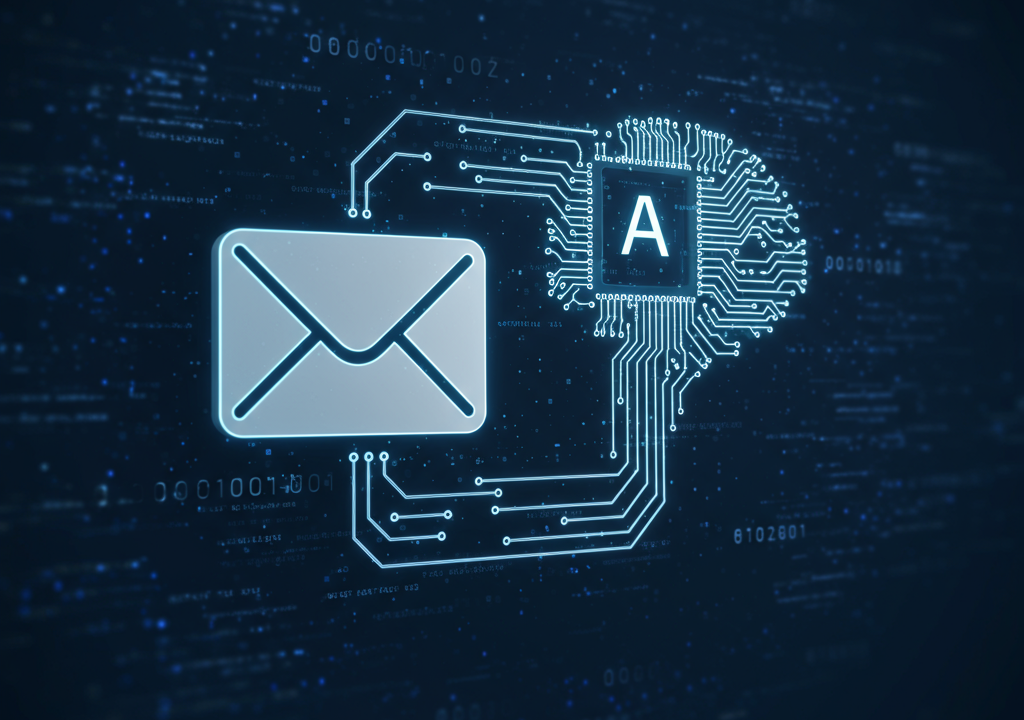
AI-powered email personalization uses machine learning, predictive analytics, and natural language processing to deliver highly relevant, one-to-one messages based on each subscriber’s behavior, preferences, and lifecycle stage. It helps marketers increase open rates, boosts conversions, improves customer loyalty, and reduces manual workload through intelligent automation. Modern AI tools personalize subject lines, predict the best send times, generate custom content, and recommend products tailored to individual users.
In an era where consumers receive dozens—even hundreds—of marketing emails each day, standing out in the inbox requires more than catchy subject lines. Today’s top marketers leverage advanced artificial intelligence (AI) to tailor every communication to each subscriber’s unique preferences, behavior, and lifecycle stage. In this comprehensive guide, we’ll explore how AI-driven personalization elevates your email marketing, step through implementation best practices, and show you how to measure the impact on your engagement and revenue metrics.
What Is AI-Powered Personalization?
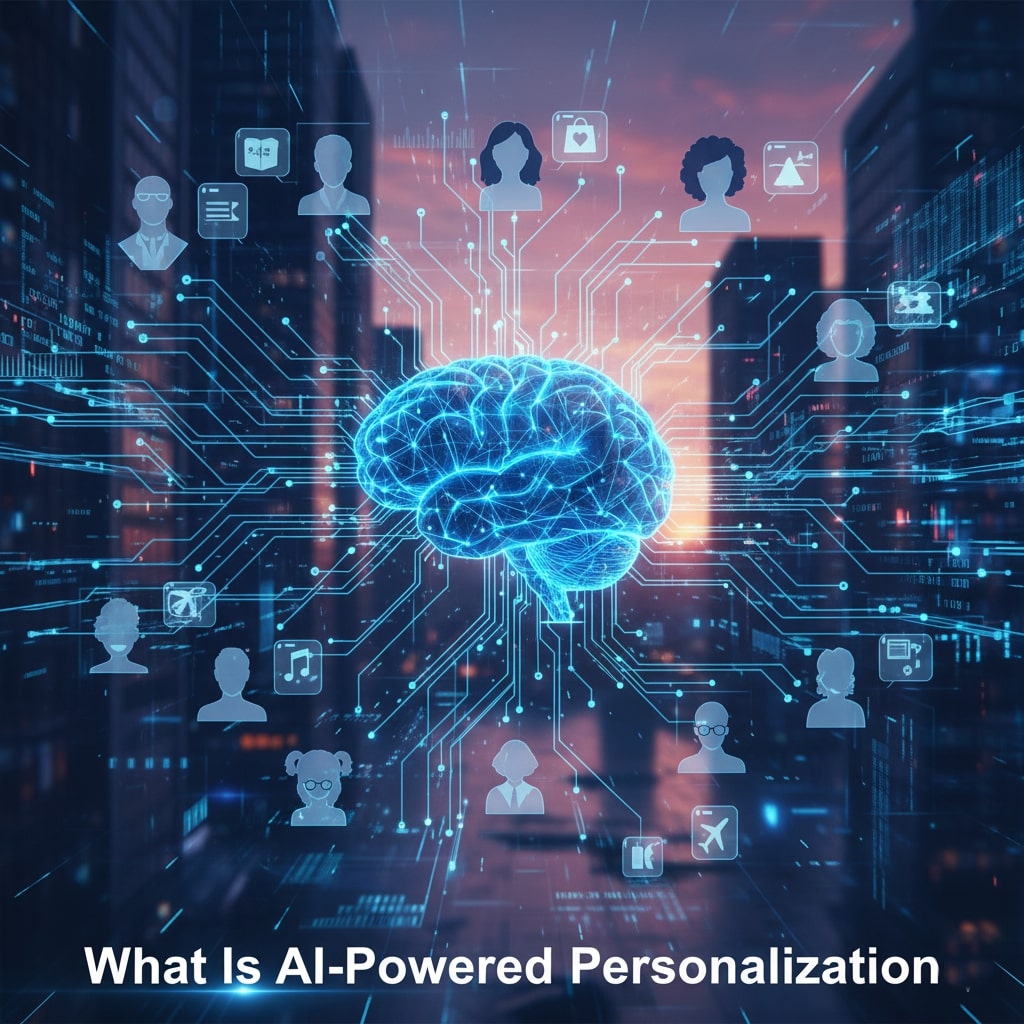
AI-powered personalization uses machine learning algorithms, predictive analytics, and natural language processing to analyze subscriber data—like past purchases, browsing history, demographic information, and email engagement—to automatically generate and send hyper-relevant content. Unlike basic segmentation, which groups subscribers by broad categories (e.g., age, location), AI dives deep into individual behaviors and signals to deliver one-to-one messaging at scale.
Benefits of AI-Powered Personalization
- Higher Open and Click Rates: Personalized subject lines and dynamic content yield significantly better open and click-through rates than batch-and-blast campaigns.
- Improved Conversion Rates: Tailored product recommendations and context-aware offers drive more purchases and form submissions.
- Enhanced Customer Loyalty: Showing subscribers that you understand their needs fosters trust and repeat engagement.
- Operational Efficiency: Automation reduces manual workload, enabling your team to focus on strategy and creative ideas rather than repetitive tasks.
Key AI Technologies in Email Personalization
- Machine Learning: Learns from historical data—opens, clicks, purchases—to predict the best send times, subject lines, and product recommendations.
- Predictive Analytics: Estimates customer lifetime value, churn risk, and propensity to buy, helping you prioritize high-value segments.
- Natural Language Processing (NLP): Dynamically generates personalized email copy—subject lines and body text—based on user data and tone preferences.
- Computer Vision (for Advanced Use Cases): Analyzes images and video engagement to recommend visually engaging content that resonates with each subscriber.
AI-Powered Personalization for Behavioral Journey Mapping

AI transforms traditional customer journey mapping by continuously analyzing each subscriber’s real-time behavior to understand where they are in the buying cycle. Instead of following a fixed, linear journey, modern subscribers move unpredictably across platforms—browsing on mobile, comparing on desktop, or engaging through social ads. AI tracks these micro-behaviors and recalculates the buyer’s stage dynamically, allowing email campaigns to adapt instantly. If a subscriber shows signs of high purchase intent by revisiting product pages, AI can trigger tailored emails with urgency-driven messaging. If a subscriber demonstrates early-stage research behavior, the system can send educational content rather than sales-focused messages. This fluid, behavior-aware mapping helps marketers deliver timely and contextually accurate content, significantly improving engagement and reducing friction at every stage of the customer journey.
Hyper-Personalized Content Generation With Generative AI
Generative AI allows brands to move beyond simple personalization and create entirely customized email experiences for each user. Instead of swapping out a single product image or subject line, generative models can craft full paragraphs of copy that adjust in tone, emotional depth, and product framing based on user-specific data. For example, the email for a subscriber who prefers luxury goods may emphasize exclusivity and premium craftsmanship, while another who values savings and practicality may receive content focused on affordability and utility. Generative AI also adapts content to reflect seasonal interests, past engagement patterns, and even sentiment detected in previous interactions. This level of hyper-personalization makes emails feel uniquely crafted for each subscriber, enhancing emotional connection and dramatically boosting click-through and conversion rates.
AI-Driven Predictive Segmentation for Long-Term Growth

Predictive segmentation powered by machine learning allows brands to identify subscriber groups not just by who they are today, but by who they are likely to become. AI analyzes patterns such as frequency of engagement, browsing depth, average order value, responsiveness to discounts, and churn indicators to categorize subscribers into forward-looking segments. For example, AI can separate users predicted to become high-value customers from those who need more nurturing. It can also identify subscribers at risk of disengaging and automatically trigger win-back or retention campaigns tailored to their behavior. This forward-thinking segmentation ensures that email marketing strategies evolve alongside subscriber behavior, enabling brands to allocate resources intelligently and drive sustained long-term revenue growth.
Real-Time Personalization Through Cross-Channel Data Synchronization
Real-time personalization becomes far more powerful when email platforms synchronize data across multiple channels such as websites, mobile apps, social media, and in-store systems. When a user interacts with any of these touchpoints, the data is immediately fed into the AI engine, allowing email content to update within seconds. If a user adds items to their cart on a mobile app and then switches to browsing a desktop site, AI can instantly trigger a personalized follow-up email acknowledging their recent activity. If a subscriber engages with a social ad promoting a new collection, the email system can highlight products from that same collection in the next send. This level of cross-channel alignment creates seamless continuity, making subscribers feel recognized across platforms and strengthening their overall brand experience.
Ethical AI Personalization and Transparency Frameworks
As AI-driven personalization becomes more advanced, ethical considerations grow increasingly important. Brands must carefully balance personalization with user privacy and autonomy. Ethical AI frameworks emphasize transparency, meaning subscribers should understand why they are receiving certain emails and what data is being used. AI systems must avoid intrusive recommendations, discriminatory targeting, or manipulative content. Instead, they should focus on delivering value-driven messages aligned with user preferences. Implementing privacy-by-design principles ensures that data collection remains minimal and compliant with global regulations. Offering preference controls empowers users to adjust their personalization settings, enhancing trust and engagement. When brands build personalization strategies rooted in ethics and transparency, they foster stronger long-term relationships with subscribers and position themselves as trustworthy digital communicators.
Step-by-Step Implementation of AI-Powered Personalization
- Audit and Clean Your Data: Ensure your CRM and email service provider (ESP) databases are accurate and free of duplicates. Quality data underpins effective AI models.
- Define Personalization Goals: Set clear objectives: increase click-through rates by 20%, boost average order value, reduce churn, or improve reactivation percentages.
- Select the Right AI Solution: Compare AI-powered email platforms (e.g., Iterable with AI modules, ActiveCampaign’s predictive sending, Mailchimp’s subject line assistant) based on features, ease of integration, and pricing.
- Integrate and Tag Subscriber Data: Map your data sources—website behavior, purchase history, past email interactions—into the AI engine. Use event tags to track user actions in real time.
- Build Dynamic Content Blocks: Create modular templates that swap text, images, and calls-to-action based on AI predictions. For instance, one subscriber sees product A while another sees product B, each chosen by the model.
- Configure Predictive Triggers: Set up automated workflows—welcome series, cart abandonment, post-purchase follow-up—powered by AI triggers that activate when a subscriber meets certain conditions.
- Test, Learn, and Optimize: Use A/B and multivariate tests to compare AI-driven variations against control groups. Continuously feed results back into the model to improve accuracy.
Best Practices and Tips
- Prioritize Privacy and Compliance: Obtain explicit consent, comply with GDPR and CAN-SPAM, and provide clear unsubscribe options. Transparency builds trust.
- Balance Automation with Human Touch: Review AI-generated copy and offers. Sometimes a human edit ensures brand voice consistency.
- Use Real-Time Data: Incorporate real-time signals—like live browsing or in-app behavior—to trigger hyper-timely campaigns.
- Segment for Strategy, Personalize with AI: Combine traditional segmentation (VIPs, new subscribers) with AI recommendations for layered personalization.
- Monitor Model Drift: Periodically retrain your AI models to account for shifting consumer behaviors and seasonal trends.
Measuring Success: Key Metrics

- Open Rate Uplift: Compare AI-personalized send rates versus non-personalized campaigns.
- Click-Through Rate (CTR): Track interaction with dynamic content blocks and product recommendations.
- Conversion Rate: Attribute purchases, form completions, or other goals to AI-driven workflows.
- Customer Lifetime Value (CLV): Measure long-term revenue impact of personalized reactivation and retention campaigns.
- Engagement Over Time: Monitor how personalization affects subscriber engagement throughout their lifecycle.
Case Studies and Examples
E-commerce Fashion Brand: By implementing AI-driven product recommendations in cart abandonment emails, one retailer saw a 35% increase in recoveries and a 25% lift in average order value.
B2B SaaS Company: Leveraging predictive analytics to identify trial users most likely to convert, the company automated drip campaigns that boosted free-to-paid conversion by 18%.
Future Trends in AI-Personalized Email Marketing
Looking ahead, we expect even deeper integration of generative AI for crafting subject lines and body copy on the fly, hyper-localization based on geographic micro-segments, and advanced sentiment analysis to gauge emotional tone. As voice-enabled emails and interactive AMP blocks gain traction, AI will underpin more immersive, real-time experiences within the inbox.
Conclusion
AI-powered personalization represents the next frontier in email marketing effectiveness. By harnessing the predictive power of machine learning, natural language processing, and real-time analytics, brands can deliver truly one-to-one experiences at scale—driving higher engagement, stronger customer loyalty, and ultimately greater revenue. Begin by auditing your data, selecting the right AI platform, and launching a pilot program. With continuous testing and optimization, you’ll soon unlock the full potential of AI-driven email campaigns.
Ready to transform your email marketing with AI? Start your personalization journey today and watch your engagement metrics soar!
FAQ: AI-Powered Email Personalization
1. What is AI-powered email personalization?
AI-powered email personalization uses machine learning, predictive analytics, and natural language processing to tailor email content to each subscriber’s unique behavior, preferences, and engagement patterns. It goes far beyond simple segmentation by generating one-to-one messaging at scale.
2. How is AI personalization different from traditional segmentation?
Traditional segmentation groups users into broad categories, while AI analyzes individual-level data—such as browsing history, email activity, and past purchases—to deliver content uniquely suited to each subscriber. This results in far more relevant and effective messaging.
3. What types of data are needed for AI personalization?
You’ll need clean and accurate data from sources like CRM, website behavior tracking, purchase history, demographic information, engagement history, and real-time activity signals. High-quality data directly improves the accuracy of AI models.
4. What benefits can I expect from implementing AI personalization?
Marketers typically see higher open and click-through rates, increased conversions, improved customer loyalty, more relevant product recommendations, and significantly reduced manual workload due to smart automation.
5. Is AI personalization difficult to implement?
Not necessarily. Modern email platforms offer built-in AI features, and most tools integrate easily with CRM and web tracking systems. The key steps include data integration, defining goals, creating dynamic templates, and running continuous tests to optimize results.
6. How does AI optimize email send times?
Machine learning analyzes each subscriber’s past behavior—like when they usually open emails—to predict the optimal send time for maximum engagement. Each user may receive the same campaign at different times based on their unique patterns.
7. Can AI generate subject lines and email text automatically?
Yes. NLP models can produce personalized subject lines, preview text, and even body copy based on tone preferences, user history, and behavioral context. Humans can review and refine the output to maintain brand voice.
8. Is AI-powered email personalization safe and privacy-compliant?
Yes, as long as your brand follows regulations such as GDPR, CAN-SPAM, and obtains explicit consent. AI systems must only use data users have agreed to share. Maintaining transparency and offering an easy unsubscribe option builds trust.
9. How do I measure whether my AI-personalized emails are working?
Track key metrics like open rate uplift, click-through rates, conversions, average order value, churn reduction, CLV growth, and engagement over time. Comparing AI-driven campaigns with control groups reveals the true impact.
10. Can AI help recover abandoned carts?
Absolutely. AI models identify what products a user is most likely to purchase and send personalized reminder emails with dynamically selected recommendations, which can significantly increase recovery rates and average order value.
11. Does AI work for both B2C and B2B email marketing?
Yes. In B2C, AI personalizes product recommendations and promotions. In B2B, it helps identify high-intent leads, personalize nurturing sequences, and optimize trial-to-paid conversions with predictive analytics.
12. What future trends will shape AI email personalization?
Expect real-time generative AI content creation, hyper-localized personalization, deeper sentiment detection, interactive AMP experiences, voice-assisted email interactions, and predictive customer journey orchestration.


I'm Email Marketer who crafts targeted campaigns that drive engagement, nurture leads, and boost conversions. With a passion for creating personalized email strategies.









No Comments