

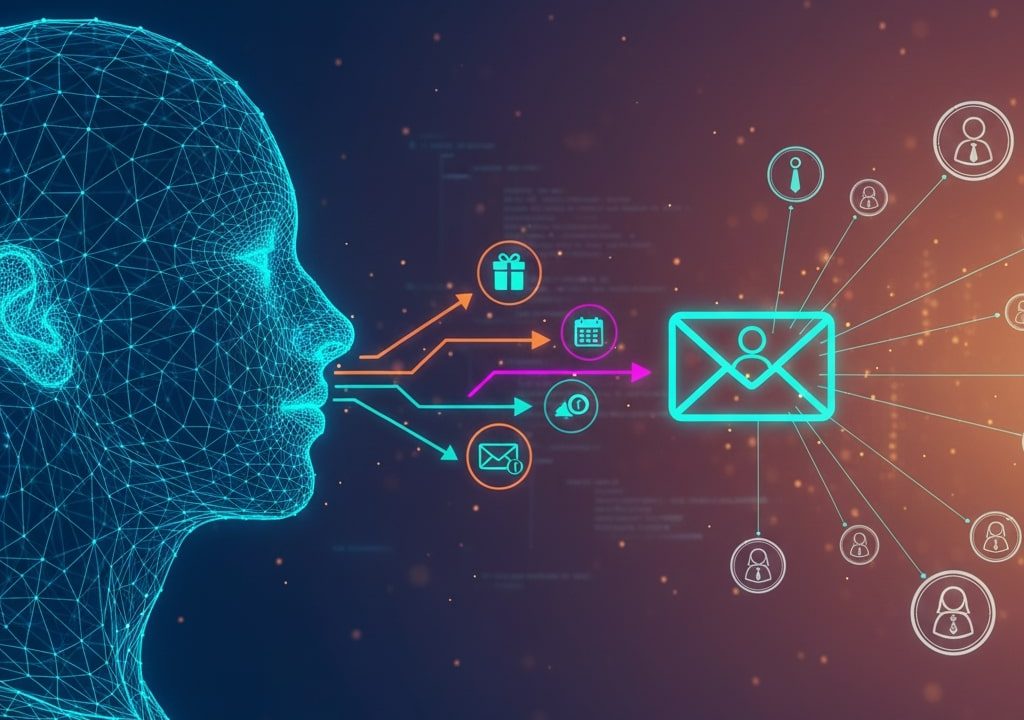
Personalized emails tailored to subscriber behavior, interests, and lifecycle stage outperform generic campaigns, driving higher engagement, conversions, and loyalty. Key strategies include advanced segmentation, dynamic content, behavioral triggers, AI-driven recommendations, and continuous A/B testing. Success relies on clean data, respecting privacy, and integrating insights across channels.
In today’s competitive inbox environment, generic broadcast emails no longer cut it. Subscribers expect messages that speak directly to their interests, behavior, and stage in the buyer’s journey. Email personalization isn’t just a nicety; it’s a necessity for marketers aiming to boost open rates, click-throughs, and ultimately conversions.
Why Personalization Matters in Email Marketing
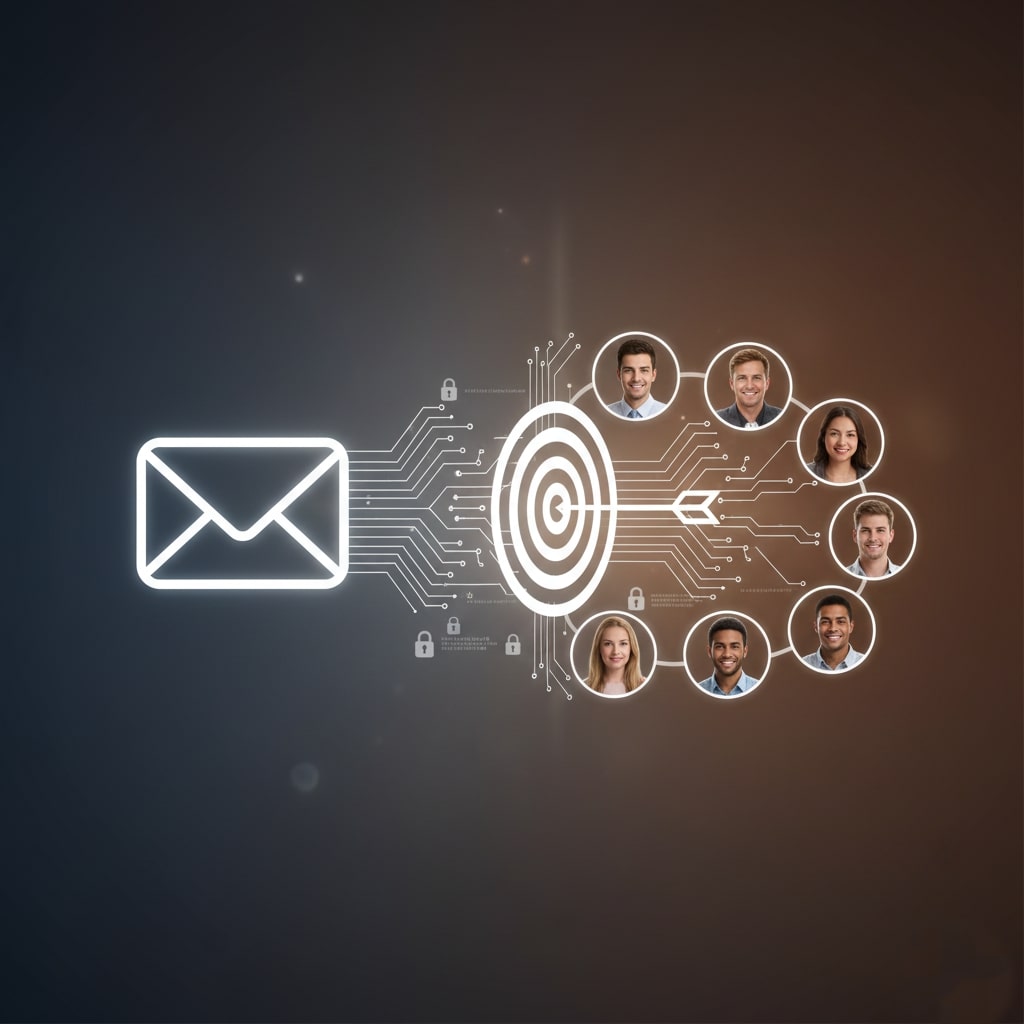
Personalized emails consistently outperform non-personalized campaigns. According to recent industry benchmarks, personalized subject lines can increase open rates by up to 50%, while dynamic, tailored content can boost click-through rates by as much as 100%. Consumers now expect brands to recognize their unique needs and interests.
Key benefits of email personalization include:
- Higher Engagement – Subscribers are more likely to open and interact with emails that feel relevant to them.
- Improved Deliverability – ISPs reward high-engagement campaigns by routing future emails to the inbox rather than spam.
- Increased Conversions – Tailoring recommendations and offers drives more traffic and sales.
- Better Customer Experience – Personalized messaging fosters loyalty and trust over time.
Core Personalization Strategies
Implementing personalization requires more than inserting a subscriber’s name. Here are the most effective approaches for 2025:
1. Advanced Segmentation
Basic segmentation (e.g., by age or location) is table stakes. Level up by combining demographic, behavioral, and psychographic data. For example:
- Purchase History – Group customers who bought Product A but never purchased Product B.
- Engagement Level – Identify inactive subscribers and re-engage them with special offers.
- Lifecycle Stage – Tailor content for new subscribers, repeat buyers, or VIPs.
Tools like marketing automation platforms and CRM integrations make dynamic segmentation seamless and scalable.
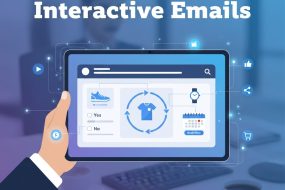
2. Dynamic Content Blocks
Dynamic content allows different subscribers to see unique images, copy, or CTAs within the same email send. Examples include:
- Product recommendations based on browsing or purchase behavior
- Location-specific store information and offers
- Personalized countdown timers for event or sale reminders
By using conditional logic tags, you can ensure each recipient’s inbox journey feels tailor-made.
3. Behavioral Trigger Emails
Trigger campaigns send emails based on user actions or inactions, creating timely, relevant touchpoints. Common behavioral triggers include:
- Welcome Series – Greet new subscribers with a multi-step onboarding flow.
- Abandoned Cart & Browse – Recover potential sales by reminding visitors of items left behind.
- Milestones & Anniversaries – Celebrate birthdays, signup anniversaries, or loyalty tiers.
Automation workflows let you map out the ideal cadence and content for each triggered event.
4. Personalization Tokens & Merge Fields
While first-name personalization is basic, tokens can pull any stored data into your emails, such as:
- Company name
- Recent purchase details
- Account status or membership level
Ensure your data is clean and complete to prevent broken tags or awkward generic fallbacks.
5. A/B Testing & Optimization
Continuous testing ensures your personalization efforts deliver the best results. Test variables such as:
- Subject line personalization (e.g., name vs. benefit)
- Dynamic CTA copy based on segment intent
- Layout variations for different audience groups
Use statistical significance calculators built into your ESP to determine winners and implement changes quickly.
AI-Powered Personalization in Email Marketing
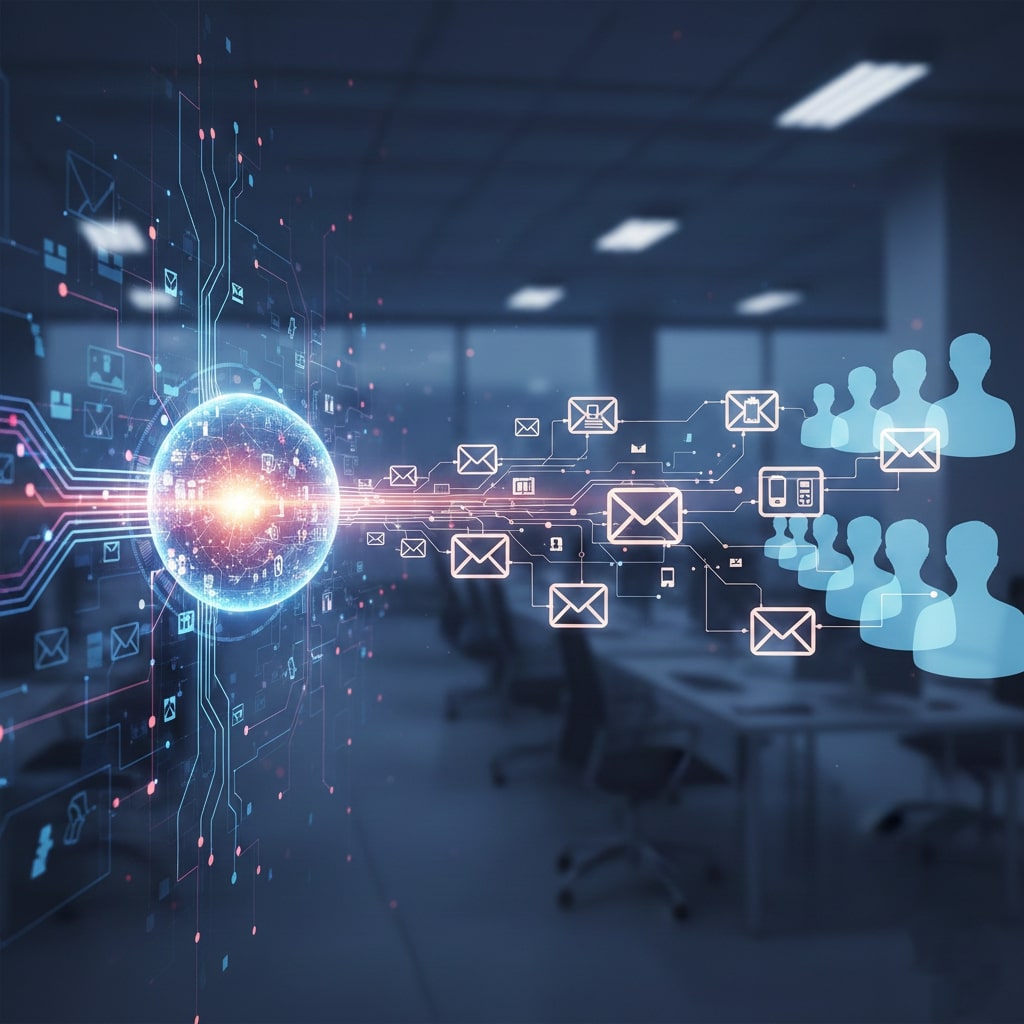
AI-powered personalization goes far beyond standard segmentation and name insertion. Using machine learning, predictive analytics, and natural language processing, AI can analyze subscriber behavior, purchase history, browsing patterns, and engagement data to predict what each recipient is most likely to respond to. This allows marketers to send hyper-relevant emails at the perfect moment in the customer journey. For example, AI can automatically recommend products based on previous purchases, tailor subject lines to increase open rates, or dynamically generate email copy that matches a subscriber’s tone preference. By continuously learning from engagement patterns, AI ensures that personalization improves over time, leading to higher conversion rates, stronger loyalty, and more efficient campaign management.
Customer Journey Mapping and Behavioral Segmentation
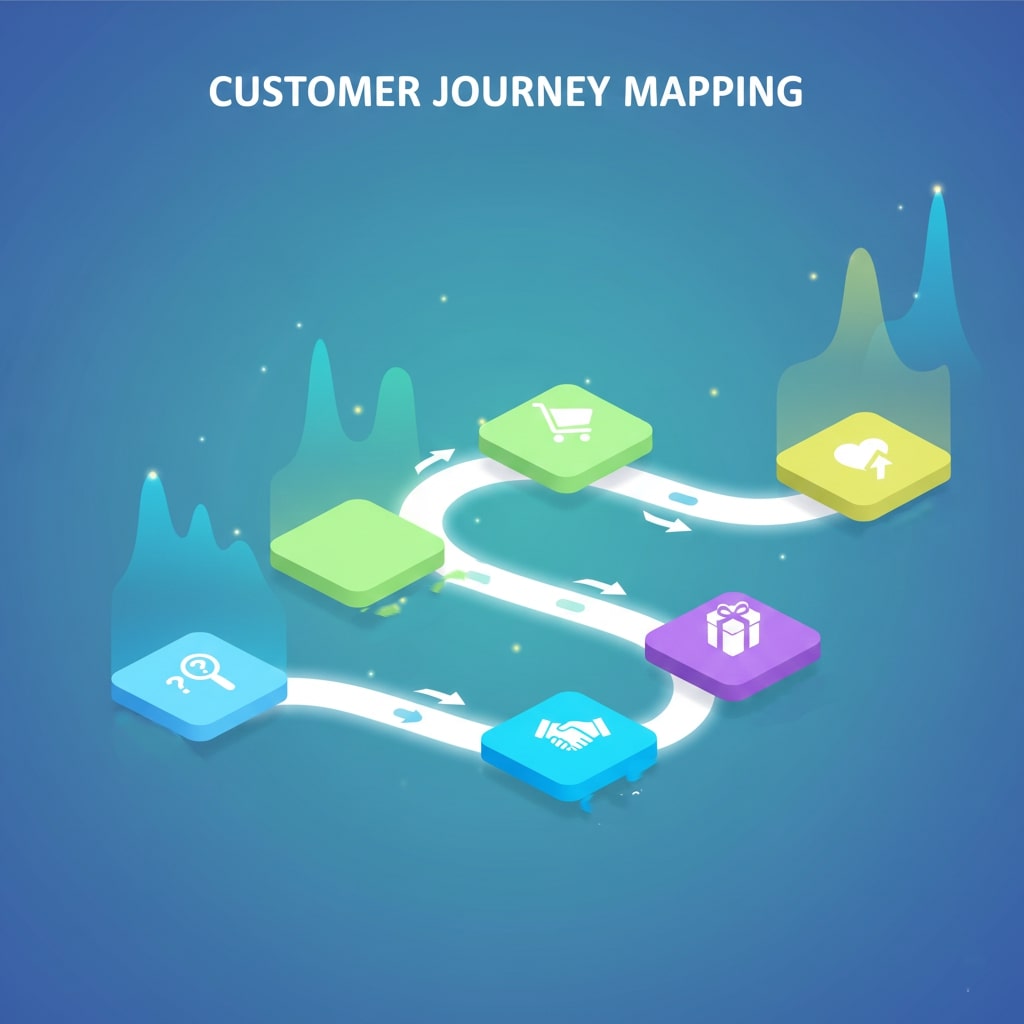
Effective personalization requires understanding where subscribers are in their buying journey. By mapping customer touchpoints—from first website visit to repeat purchases—marketers can identify behaviors that signal readiness to convert, need for nurturing, or risk of churn. Behavioral segmentation groups users based on these insights, such as engagement level, product interest, or frequency of interaction. For instance, a subscriber who frequently browses high-value items may receive emails highlighting premium products, while a first-time visitor could be sent educational content. This approach ensures that every email is contextually relevant, timely, and aligned with the subscriber’s intent, which dramatically increases engagement and reduces friction along the sales funnel.
Hyper-Personalized Content Generation

Generative AI enables brands to craft fully customized email experiences for each subscriber. Beyond swapping images or product names, it can create unique subject lines, body text, and CTAs tailored to a user’s preferences, purchase history, and engagement behavior. For example, two subscribers may receive emails promoting the same product, but one version emphasizes luxury and exclusivity while the other focuses on affordability and practicality. This level of personalization strengthens emotional connection with the brand, making recipients feel understood and valued. Brands can also leverage AI to optimize seasonal campaigns, promotional offers, and content based on real-time engagement and sentiment analysis, further boosting click-throughs and conversions.
Cross-Channel Data Integration for Real-Time Personalization
Real-time personalization becomes powerful when email marketing is integrated with other digital channels like websites, apps, social media, and in-store systems. When a subscriber engages with any of these channels, AI can instantly update email content to reflect their actions. For example, a subscriber who adds items to a mobile cart and later browses the desktop site can receive an email referencing that exact behavior within minutes. Similarly, interactions with social ads can inform the next email campaign by highlighting related products or promotions. This cross-channel synchronization ensures a seamless brand experience, reinforces relevance, and keeps the messaging consistent across touchpoints, creating a sense of personal recognition for each subscriber.
Ethical Personalization and Data Privacy
As personalization grows more sophisticated, ethical considerations are critical. Brands must respect subscriber privacy and transparency while delivering highly relevant content. This means using only consented data, providing clear explanations for personalization practices, and allowing users to manage preferences easily. Ethical personalization avoids manipulative tactics and discriminatory targeting, instead focusing on delivering genuine value aligned with subscriber interests. Following global privacy regulations like GDPR and CAN-SPAM, combined with principles like data minimization and secure storage, not only builds trust but also strengthens long-term relationships. Subscribers are more likely to engage with brands that respect their privacy while still delivering meaningful, personalized content.
Best Practices for Effective Email Personalization
- Maintain Data Hygiene – Regularly clean your list, update subscriber preferences, and remove invalid addresses.
- Respect Privacy – Be transparent about data usage, offer easy opt-outs, and comply with GDPR, CAN-SPAM, and other regulations.
- Balance Automation with Human Touch – While automation powers scale, include personalized signatures or notes for VIPs and high-value segments.
- Monitor Engagement Metrics – Track open rates, click rates, conversions, and unsubscribes by segment to identify trends and opportunities.
- Frequency Management – Adjust send cadence based on subscriber activity to avoid fatigue or churn.
Top Tools to Power Your Personalization Efforts
Choosing the right technology stack is critical. Consider these categories:
- Email Service Providers (ESPs) – Platforms like Mailchimp, Klaviyo, and ActiveCampaign offer robust segmentation and dynamic content features.
- Customer Data Platforms (CDPs) – Solutions like Segment or Tealium unify data from multiple sources for single customer views.
- Marketing Automation Suites – Tools such as HubSpot or Marketo enable complex behavioral workflows and cross-channel personalization.
- AI-Powered Engines – Emerging platforms use machine learning to predict the best content and send times for each recipient.
Measuring Personalization Success
Track these core KPIs to evaluate ROI:
- Open Rate Lift – Compare personalized vs. non-personalized sends.
- Click-Through Rate (CTR) – Monitor engagement with tailored content blocks.
- Conversion Rate – Attribute sales and goal completions to specific segments or triggers.
- Revenue Per Email – Calculate total campaign revenue divided by the number of emails delivered.
- Subscriber Retention – Assess unsubscribe rates and list growth over time.
Conclusion
As inboxes become more crowded, personalization is your competitive advantage. By implementing advanced segmentation, dynamic content, behavioral triggers, and rigorous A/B testing, you can deliver highly relevant emails that resonate with subscribers at every touchpoint. Invest in the right tools, maintain clean data, and measure performance closely. In 2025 and beyond, email personalization will be the key driver of engagement, loyalty, and revenue growth in your marketing arsenal.
Ready to transform your campaigns? Start small with one personalization tactic and scale up as you learn. Your subscribers—and your bottom line—will thank you.
FAQ: Email Personalization
1. What is email personalization?
Email personalization is the process of tailoring email content using subscriber data such as demographics, behavior, purchase history, and engagement patterns. The goal is to deliver messages that feel relevant and meaningful to each individual recipient rather than sending the same content to everyone.
2. Why is personalization important in email marketing today?
Personalization is essential because subscribers receive countless emails daily and ignore generic ones. When emails reflect a subscriber’s interests or needs, they create higher engagement, better open rates, more clicks, and stronger conversions. Personalization also improves customer loyalty by making people feel understood and valued.
3. Is personalization only about using the subscriber’s name?
No. Adding someone’s name is basic and no longer enough. Modern personalization includes behavior-based targeting, tailored product recommendations, dynamic content that changes based on the recipient, and personalized send times based on user activity patterns.
4. What data is needed for effective personalization?
Effective personalization requires clean and accurate data such as browsing activity, purchase history, demographic information, lifecycle stage, device or location details, and engagement behavior. The more reliable the data is, the better the personalization results will be.
5. What are dynamic content blocks in email?
Dynamic content blocks allow different subscribers to see unique text, images, or calls-to-action within the same email campaign. This means two people can open the same email but experience completely different content based on their interests and behavior.
6. How do behavioral trigger emails work?
Behavioral trigger emails are automatically sent when a subscriber performs a specific action such as abandoning a cart, browsing certain products, signing up for a newsletter, or reaching a milestone like a birthday. These emails are timely and relevant, which makes them highly effective at driving engagement and conversions.
7. Do I need advanced tools to personalize emails?
Not always. Many email service providers like Mailchimp, Klaviyo, and ActiveCampaign offer built-in personalization and segmentation features. More sophisticated personalization, such as predicting what a user will click or buy next, may require AI-powered tools or customer data platforms.
8. How can I keep personalization from feeling “creepy”?
To avoid making subscribers uncomfortable, marketers should use only the data customers willingly share, avoid referencing overly sensitive details, maintain transparency about data usage, and provide clear options for adjusting preferences. Ethical and respectful personalization builds trust rather than discomfort.
9. Does personalization improve email deliverability?
Yes. When emails are more relevant, subscribers engage more by opening and clicking. Internet service providers recognize this engagement as a positive signal, which increases the likelihood that future emails will be placed in the inbox instead of the spam folder.
10. How do I measure whether my personalization strategy is working?
Success can be evaluated by tracking metrics such as open rate improvements, click-through rates, conversion rates, revenue generated per email, and long-term subscriber retention. These indicators show whether personalized content is resonating with your audience.
11. Can personalization help re-engage inactive subscribers?
Yes. Personalized re-engagement campaigns that reference past activity, preferences, or special incentives are much more effective than generic reminders. They help bring back inactive users by showing content that aligns with their interests.
12. What are the biggest mistakes to avoid in personalization?
Common mistakes include using outdated or inaccurate data, personalizing too aggressively, sending messages too frequently without monitoring engagement, failing to update automation flows, and skipping A/B testing. Avoiding these mistakes ensures smoother and more effective personalization.
13. How can small businesses start with personalization?
Small businesses can begin with simple steps such as using basic name personalization, segmenting new vs. returning customers, sending welcome and abandoned cart emails, and testing personalized subject lines. As they gather more data and gain confidence, they can introduce more advanced techniques like dynamic content and behavioral triggers.


I'm Email Campaign Manager who helps businesses design, execute, and optimize effective email marketing campaigns. With expertise in audience segmentation, campaign automation, and performance tracking, ensures emails reach the right audience and deliver measurable results.




No Comments