

Daily email marketing floods inboxes with 60–90 billion messages worldwide. Despite low engagement rates, businesses leverage automation, AI, and segmentation to target audiences effectively. Success depends on personalization, quality content, strategic timing, and integration with multi-channel marketing strategies.
Your inbox feels overwhelming, and for good reason. Every morning, you wake up to a flood of promotional messages, newsletters, and brand updates competing for your attention. But have you ever wondered just how massive this digital tsunami really is?
The numbers behind daily email marketing volume are staggering. Understanding this scale can help both marketers craft better strategies and consumers better navigate their digital communications. Whether you’re a business owner trying to cut through the noise or simply curious about the mechanics of modern marketing, the reality of email volume might surprise you.
This exploration of daily email marketing statistics reveals not just the sheer quantity of messages being sent, but also what this means for businesses, consumers, and the future of digital communication.
The Staggering Scale of Daily Email Marketing

The volume of marketing emails sent daily across the globe is truly astronomical. Industry estimates suggest that over 300 billion emails are sent and received every single day worldwide, with marketing emails comprising a significant portion of this total.
Marketing emails specifically account for approximately 20-30% of all email traffic, which means roughly 60-90 billion marketing messages flood inboxes daily. This figure includes promotional campaigns, newsletters, abandoned cart reminders, and various automated marketing sequences.
To put this in perspective, that’s more than 10 marketing emails for every person on Earth, every single day. The scale becomes even more mind-boggling when you consider that this number continues to grow year over year as more businesses embrace digital marketing strategies.
Breaking Down Email Marketing by Platform and Size
Different email service providers handle varying volumes of marketing emails. Gmail processes over 1.5 billion user accounts, making it the largest email platform globally. Outlook, Yahoo, and other major providers each handle hundreds of millions of accounts, all receiving their daily dose of marketing messages.
Small businesses typically send between 100-10,000 marketing emails per campaign, while medium-sized companies might dispatch 10,000-100,000 messages. Enterprise-level organizations often send millions of emails in a single campaign, with some major retailers and service providers sending tens of millions of marketing emails daily.
The frequency varies dramatically by industry. E-commerce companies tend to be the heaviest senders, with daily promotional emails, product updates, and personalized recommendations. Financial services, travel companies, and SaaS providers also rank among the top email volume generators.
Why So Many Marketing Emails?
The explosion in marketing email volume stems from several factors. Email marketing consistently delivers one of the highest returns on investment among digital marketing channels, with studies showing an average ROI of $42 for every dollar spent.
Automation has made it incredibly easy to send large volumes of personalized emails. Marketing platforms can trigger emails based on user behavior, send birthday promotions, cart abandonment reminders, and welcome series without human intervention. This automation means businesses can maintain constant communication with their audiences.
The low cost of email marketing also contributes to volume growth. Unlike paid advertising or direct mail, sending emails costs mere pennies per message, making it accessible for businesses of all sizes to reach large audiences regularly.
Consumer Response to Email Volume
Despite the massive volume of marketing emails sent daily, open rates tell a different story about actual engagement. Average email open rates hover around 20-25%, meaning roughly three-quarters of marketing emails are never even opened.
Click-through rates are even lower, typically ranging from 2-5%. This means that out of those billions of daily marketing emails, only a tiny fraction result in meaningful engagement with the intended audience.
Consumers have developed various coping mechanisms for email overload. Many people maintain multiple email addresses, using secondary accounts specifically for promotional emails. Others rely heavily on spam filters and unsubscribe aggressively from lists that don’t provide clear value.
The Evolution of Email Marketing Over Time
Email marketing has undergone massive transformations since its inception. Originally, businesses sent generic mass emails to large audiences with minimal targeting. Over the years, advancements in data analytics, automation, and AI-driven personalization have revolutionized how marketers engage their audience. Today, modern email marketing leverages behavioral data, predictive analytics, and dynamic content to deliver highly relevant messages. This evolution has allowed marketers to increase both engagement and revenue, making email a central component of digital strategy.
Segmentation Strategies for Maximizing Impact
Segmentation is a cornerstone of effective email marketing. By dividing subscribers into groups based on demographics, purchase history, engagement, or behavioral patterns, businesses can deliver tailored messaging that resonates with each audience segment. Advanced segmentation strategies allow for dynamic campaigns, such as sending different promotions to high-value customers versus new subscribers. Proper segmentation increases open rates, click-through rates, and ultimately, revenue, while also reducing unsubscribes and email fatigue.
The Role of Artificial Intelligence in Email Marketing

Artificial intelligence (AI) is reshaping email marketing by enabling smarter personalization, predictive send times, and content optimization. AI algorithms analyze user behavior and engagement patterns to determine the ideal message for each recipient, increasing relevance and conversion rates. From subject line testing to product recommendations and automated content creation, AI reduces manual effort while improving revenue potential. Businesses that leverage AI are better equipped to cut through inbox clutter and deliver messages that truly resonate.
The Importance of Email Design and User Experience
The visual and functional aspects of email design significantly influence engagement. Mobile-responsive layouts, visually appealing graphics, clear calls-to-action, and concise copy all contribute to improved performance. Poorly designed emails risk low engagement, high bounce rates, and reduced revenue. Businesses that prioritize user experience ensure that emails are easy to read, actionable, and enjoyable, fostering trust and increasing the likelihood of conversions.
The Power of Testing and Optimization
Continuous testing and optimization are critical for maximizing email marketing results. A/B testing subject lines, content, images, CTAs, and send times allows marketers to identify what resonates best with their audience. Testing not only improves open and click-through rates but also enhances long-term subscriber satisfaction and revenue. Optimization is an ongoing process that requires analyzing metrics, learning from results, and refining campaigns to achieve consistent improvements over time.
Email Marketing in a Multi-Channel Strategy
While email remains a powerful standalone channel, its effectiveness multiplies when integrated with other marketing platforms. Coordinating email campaigns with social media, paid advertising, content marketing, and CRM systems creates a seamless customer journey. For instance, email can nurture leads acquired via social ads, while social retargeting reinforces email messages. Multi-channel integration ensures consistent messaging, higher engagement, and increased revenue, helping businesses create a unified and effective marketing ecosystem.
The Impact on Businesses and Marketers
The sheer volume of daily marketing emails creates both opportunities and challenges for businesses. On one hand, email remains a direct line to customers that businesses own and control, unlike social media platforms, where algorithm changes can suddenly limit reach.
However, cutting through the noise has become increasingly difficult. Marketers must work harder to craft compelling subject lines, provide genuine value, and time their messages strategically to avoid being lost in the daily deluge.
This volume pressure has led to more sophisticated email marketing strategies. Businesses now invest heavily in segmentation, personalization, and behavioral targeting to ensure their messages stand out and reach the right people at the right time.
Regional Variations in Email Marketing Volume
Email marketing volume varies significantly by geographic region. North American and European businesses tend to send the highest volumes of marketing emails, reflecting more mature digital marketing practices and higher internet penetration rates.
Asia-Pacific markets are experiencing rapid growth in email marketing volume as businesses in the region increasingly adopt digital marketing strategies. However, cultural preferences and communication patterns affect both sending volumes and response rates across different countries.
Some regions have stricter email marketing regulations, such as GDPR in Europe, which can impact both the volume and targeting of marketing emails. These regulations require more explicit consent and provide consumers with greater control over their email communications.
The Future of Email Marketing Volume

Several trends suggest that the daily volume of marketing emails will continue growing, albeit potentially at a slower rate. The rise of AI and machine learning is enabling more sophisticated personalization and automation, which could increase both volume and effectiveness.
However, consumer fatigue and improved filtering technology may start to counterbalance pure volume growth. Email providers are getting better at identifying and filtering promotional content, while consumers become more selective about which emails they engage with.
The integration of email marketing with other digital channels is also changing how businesses approach email volume. Rather than relying solely on high-frequency email campaigns, many companies are adopting omnichannel approaches that coordinate email with social media, web personalization, and other touchpoints.
Navigating the Email Marketing Landscape
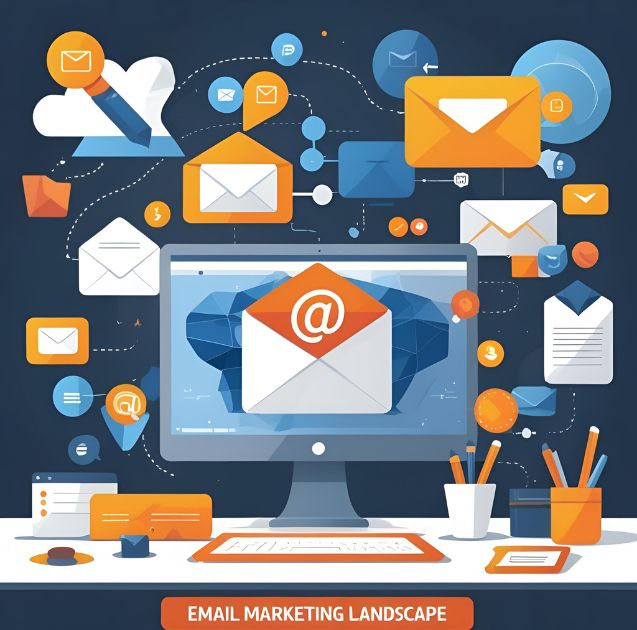
Understanding the scale of daily email marketing helps put your own inbox experience in perspective. Those dozens of promotional emails you receive each day represent just a tiny fraction of the billions being sent globally.
For businesses, this knowledge underscores the importance of quality over quantity. Simply adding to the daily email avalanche without providing real value is unlikely to drive meaningful results. Success in email marketing requires strategic thinking, audience understanding, and a commitment to delivering content that recipients actually want to receive.
The daily volume of marketing emails—measured in the tens of billions—reflects both the power and the challenge of digital marketing. While the numbers continue to grow, the businesses that succeed will be those that focus on building genuine relationships with their audiences rather than simply contributing to the noise.
FAQ: Daily Email Marketing Volume and Insights
1. How many marketing emails are sent daily worldwide?
Globally, over 300 billion emails are sent each day, with marketing emails accounting for roughly 20-30% of this total—approximately 60-90 billion marketing emails daily.
2. Which industries send the most marketing emails?
E-commerce companies lead in email volume, followed by financial services, travel, and SaaS providers. Retailers frequently send daily promotional emails, product updates, and personalized recommendations.
3. Why is email marketing volume so high?
High ROI, low cost per email, and automation drive the massive volume. Businesses can send personalized, behavior-triggered messages at scale, making email marketing both cost-effective and efficient.
4. What are the average engagement rates for marketing emails?
Open rates average around 20-25%, while click-through rates are typically 2-5%. This means most marketing emails never result in meaningful interaction with recipients.
5. How do consumers manage email overload?
Many people maintain multiple email accounts, use secondary addresses for promotions, rely on spam filters, and unsubscribe from irrelevant lists to reduce inbox clutter.
6. How does high email volume affect businesses and marketers?
While email remains a direct and owned communication channel, high volume makes it challenging to stand out. Marketers must use compelling subject lines, provide real value, and strategically time campaigns.
7. Are there regional differences in email marketing volume?
Yes. North America and Europe have higher volumes due to mature digital marketing practices, while Asia-Pacific is rapidly growing. Regulations like GDPR in Europe also influence email frequency and targeting.
8. Will the daily volume of marketing emails continue to grow?
Yes, although growth may slow. AI-driven personalization and automation may increase volume and effectiveness, while consumer fatigue and improved filtering could counterbalance growth.
9. How can businesses navigate the high-volume email landscape effectively?
Focus on quality over quantity. Prioritize segmentation, personalization, behavioral targeting, and strategic timing to ensure emails provide value and reach the right audience.
10. What is the future trend for email marketing in relation to volume?
Omnichannel integration—coordinating email with social media, web personalization, and other digital channels—will become key. Businesses that build genuine relationships will outperform those relying solely on high-frequency emails.


I'm Email Marketer who crafts targeted campaigns that drive engagement, nurture leads, and boost conversions. With a passion for creating personalized email strategies.















No Comments