

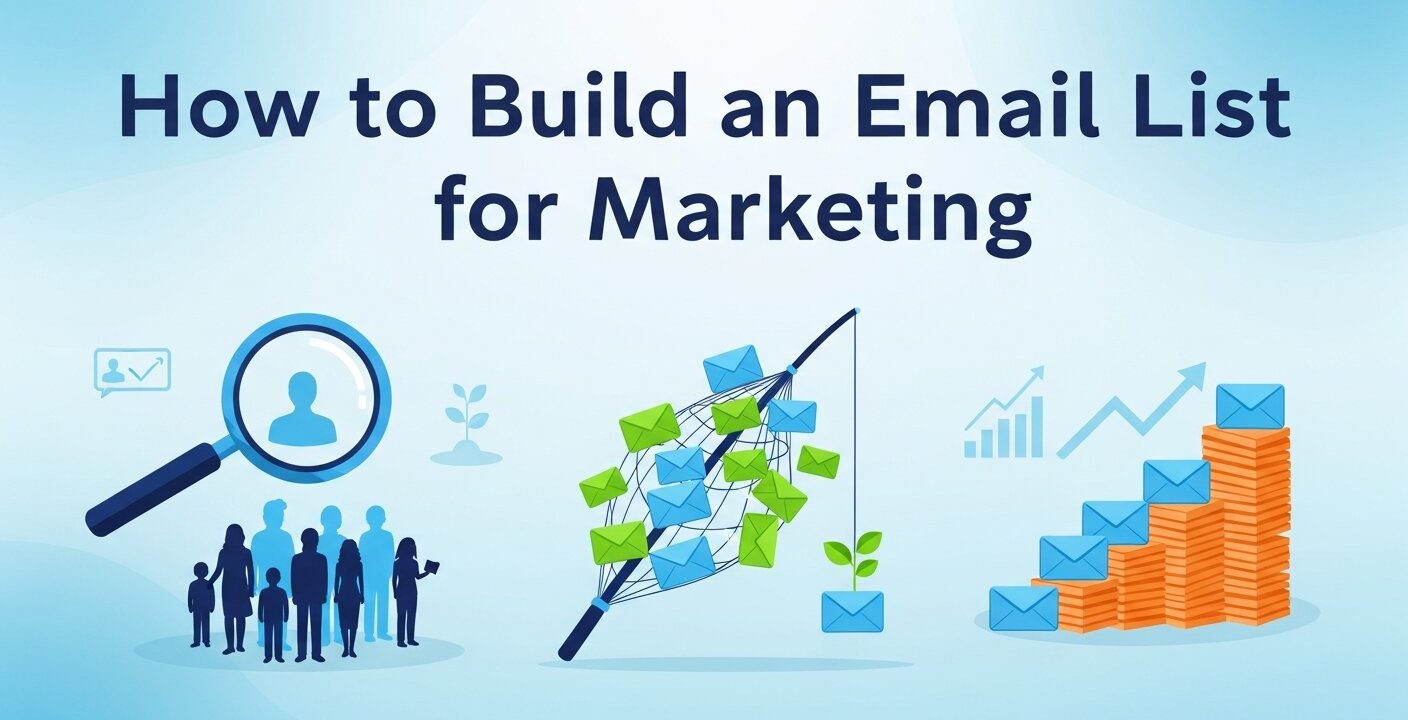
Email marketing remains one of the highest ROI marketing channels, delivering an average return of $42 for every $1 spent. But here’s the catch: you need a quality email list to make those numbers work for your business.
Building an email list isn’t just about collecting as many addresses as possible. It’s about attracting the right people who genuinely want to hear from you and are likely to become customers. This guide will walk you through proven strategies to grow your email list with engaged subscribers who convert.
Why Email List Building Matters for Your Marketing Success
Email lists give you direct access to your audience without relying on social media algorithms or paid advertising. When someone subscribes to your list, they’re giving you permission to reach them directly in their inbox.
Quality beats quantity every time. A small list of engaged subscribers will outperform a large list of uninterested contacts. Engaged subscribers open your emails, click your links, and buy your products. They’re also more likely to share your content and recommend your business to others.
Proven Strategies to Build Your Email List
Create Irresistible Lead Magnets
A lead magnet is a valuable free resource you offer in exchange for someone’s email address. The key is making it so valuable that people can’t resist downloading it.
Effective lead magnets solve a specific problem for your target audience. Consider these options:
Ebooks and Guides: Write comprehensive guides that address common challenges in your industry. Make them actionable and specific rather than generic.
Checklists and Templates: People love shortcuts. Create templates they can use immediately in their work or personal life.
Video Content: Record tutorials, webinars, or mini-courses. Video content often feels more valuable than text-based resources.
Exclusive Content: Offer behind-the-scenes content, early access to new products, or insider tips not available elsewhere.
Test different lead magnets to see what resonates with your audience. Track download rates and conversion rates to identify your most effective offerings.
Optimize Your Website for Email Capture
Your website should have multiple opportunities for visitors to join your email list. Here’s how to optimize key areas:
Homepage: Include a clear value proposition and email signup form above the fold. Explain what subscribers will receive and how often.
About Page: Many visitors check your About page to learn more about you. Add a personal invitation to join your email list here.
Blog Posts: Add opt-in forms within your blog content, not just at the end. Mid-article forms often perform better than those at the bottom.
Exit-Intent Popups: Use exit-intent technology to show a signup form when someone is about to leave your site. Make the offer compelling enough to change their mind.
Footer: Include a simple signup form in your website footer. It’s not intrusive but captures people who scroll through your entire page.
Leverage Social Media Platforms
Social media can be a powerful tool for driving email signups. Here’s how to use each platform effectively:
Facebook: Create posts that tease your lead magnet content. Use Facebook ads to promote your lead magnets to targeted audiences.
Instagram: Use Stories to showcase behind-the-scenes content and direct followers to your email signup. Include your lead magnet link in your bio.
LinkedIn: Share valuable content that positions you as an expert, then invite connections to join your email list for more insights.
Twitter: Tweet valuable tips and include calls to action to join your email list for more detailed content.
YouTube: End your videos with a call-to-action to subscribe to your email list. Mention exclusive content that’s only available to email subscribers.
Use Content Marketing to Attract Subscribers
Content marketing and email list building work hand in hand. Create valuable content that naturally leads people to want more from you.
Blog Content: Write helpful blog posts that solve real problems. Include relevant opt-in offers within each post.
Guest Posting: Write for other blogs in your industry. Include a compelling bio with a link to your best lead magnet.
Podcasts: Start your own podcast or appear as a guest on others. Always mention your email list and what subscribers receive.
Webinars: Host educational webinars that require email registration. Even if people don’t attend live, you’ve captured their contact information.
Partner with Others in Your Industry
Collaboration can significantly expand your reach and help you tap into new audiences.
Cross-Promotions: Partner with complementary businesses to promote each other’s email lists. Make sure your audiences align.
Joint Webinars: Co-host webinars with other experts in your field. You’ll both benefit from exposure to each other’s audiences.
Affiliate Programs: Create an affiliate program that rewards others for promoting your lead magnets and email signups.
Bundle Collaborations: Team up with other businesses to create valuable bundles that require email signup to access.
Run Targeted Advertising Campaigns
Paid advertising can accelerate your email list growth when done strategically.
Facebook Ads: Create targeted campaigns promoting your lead magnets to specific demographics and interests.
Google Ads: Target keywords related to your lead magnet topics. Create landing pages specifically for these campaigns.
Instagram Ads: Use visually appealing ads that showcase your lead magnet value. Test different creative formats to see what works best.
LinkedIn Ads: Target professionals by job title, industry, and company size. This works particularly well for B2B lead magnets.
Set clear budgets and track your cost per lead to ensure your advertising spend is profitable.
Best Practices for Email List Building
Make Your Value Proposition Clear
People need to understand exactly what they’re getting when they subscribe to your email list. Be specific about:
- What type of content do you send
- How often you’ll email them
- What benefits they’ll receive
- What problems can you help them solve
Avoid vague promises like “stay updated” or “get exclusive content.” Instead, be specific: “Get weekly marketing tips that have helped 500+ businesses increase their revenue by 25%.”
Keep Your Signup Forms Simple
Complicated forms with too many fields reduce conversion rates. Start with just an email address and first name. You can always collect more information later through surveys or progressive profiling.
Make your forms mobile-friendly since many people will encounter them on their phones. Test your forms on different devices to ensure they work properly.
Use Double Opt-In for Better Quality
Double opt-in requires people to confirm their subscription via email. While it adds an extra step, it ensures higher quality subscribers and better deliverability rates.
This process also helps you comply with email marketing regulations and reduces the risk of spam complaints.
Create Dedicated Landing Pages
Don’t just rely on sidebar forms and popups. Create dedicated landing pages for your lead magnets. These pages should:
- Focus solely on the email signup
- Include compelling headlines and descriptions
- Show social proof like testimonials or subscriber counts
- Have clear, action-oriented buttons
Test and Optimize Continuously
Email list building isn’t a set-it-and-forget-it strategy. Continuously test different elements:
- Headlines and copy
- Form placement and design
- Lead magnet topics and formats
- Call-to-action buttons
- Email frequency and timing
Use A/B testing to compare different versions and always be looking for ways to improve your conversion rates.
Common Mistakes to Avoid
Buying Email Lists
Purchased email lists are filled with people who never agreed to hear from you. This leads to high unsubscribe rates, spam complaints, and poor deliverability. Focus on organic growth instead.
Neglecting Mobile Optimization
More than half of emails are opened on mobile devices. Ensure your signup forms and landing pages work perfectly on smartphones and tablets.
Being Too Salesy Too Soon
Don’t immediately start pitching your products to new subscribers. Build trust and provide value first. Save the sales pitches for after you’ve established a relationship.
Ignoring Email Deliverability
A large email list means nothing if your emails don’t reach inboxes. Follow email marketing best practices, maintain a good sender reputation, and regularly clean your list.
Building Long-Term Success with Email Marketing
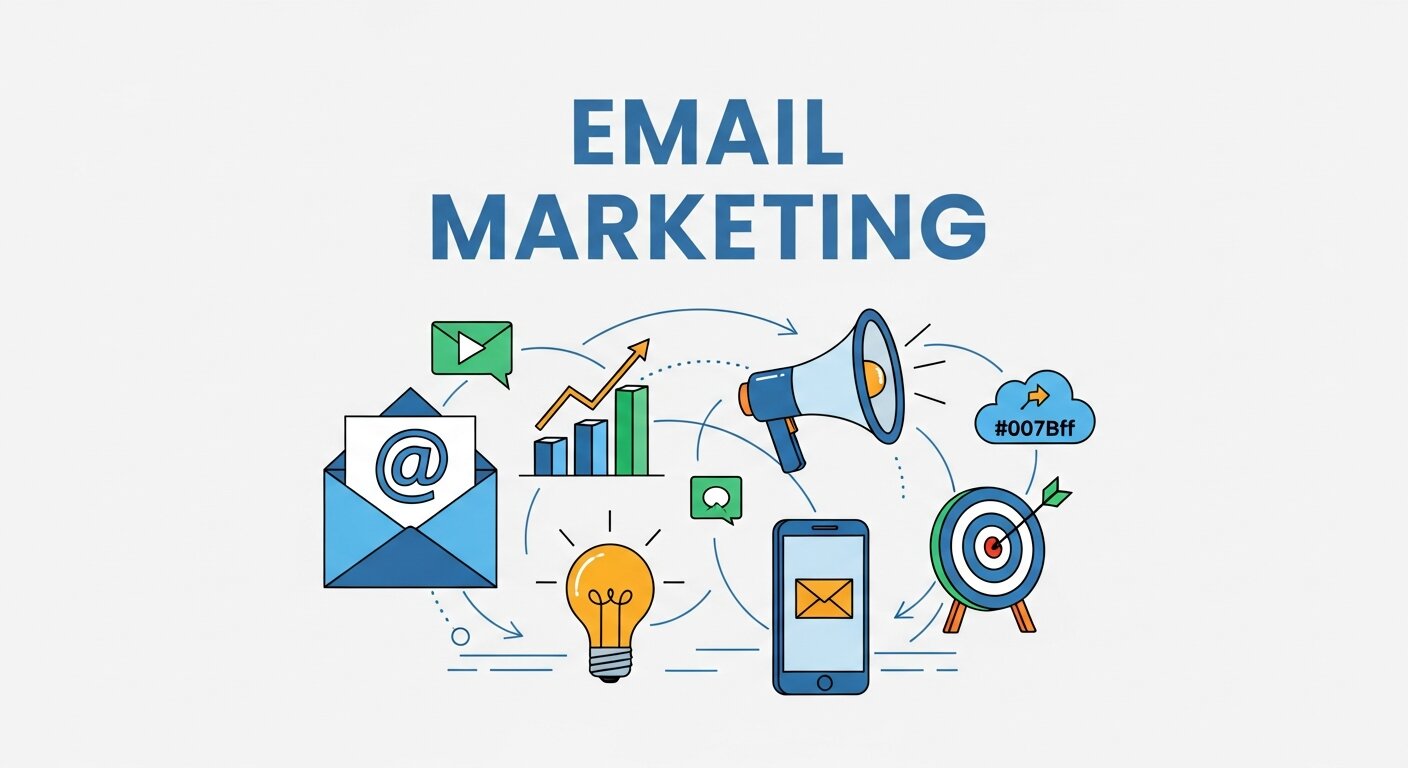 Building an email list is just the beginning. Your real success comes from nurturing those relationships and providing ongoing value to your subscribers.
Start implementing these strategies today, but remember that list building is a marathon, not a sprint. Focus on attracting quality subscribers who genuinely want to hear from you, and you’ll build a powerful marketing asset that drives real business results.
The most successful email marketers didn’t build their lists overnight. They consistently provided value, tested different approaches, and refined their strategies based on what worked. Your email list will become one of your most valuable business assets when you approach it with the right mindset and strategies.
Advanced Testing Strategies for Higher Conversions
 Improving your email list performance requires continuous experimentation and data-driven decisions. Instead of guessing what works, you should test subject lines, call-to-action buttons, email layouts, and send times to see what generates the best engagement. A/B Testing Email Marketing allows you to compare two versions of an email to determine which one performs better based on open rates, click-through rates, or conversions. Small changes, such as adjusting headline wording or button color, can significantly impact results. Over time, consistent testing helps you understand your audience’s preferences, refine your messaging, and increase overall campaign effectiveness without increasing your marketing budget.
Automating Growth with Smart Integrations
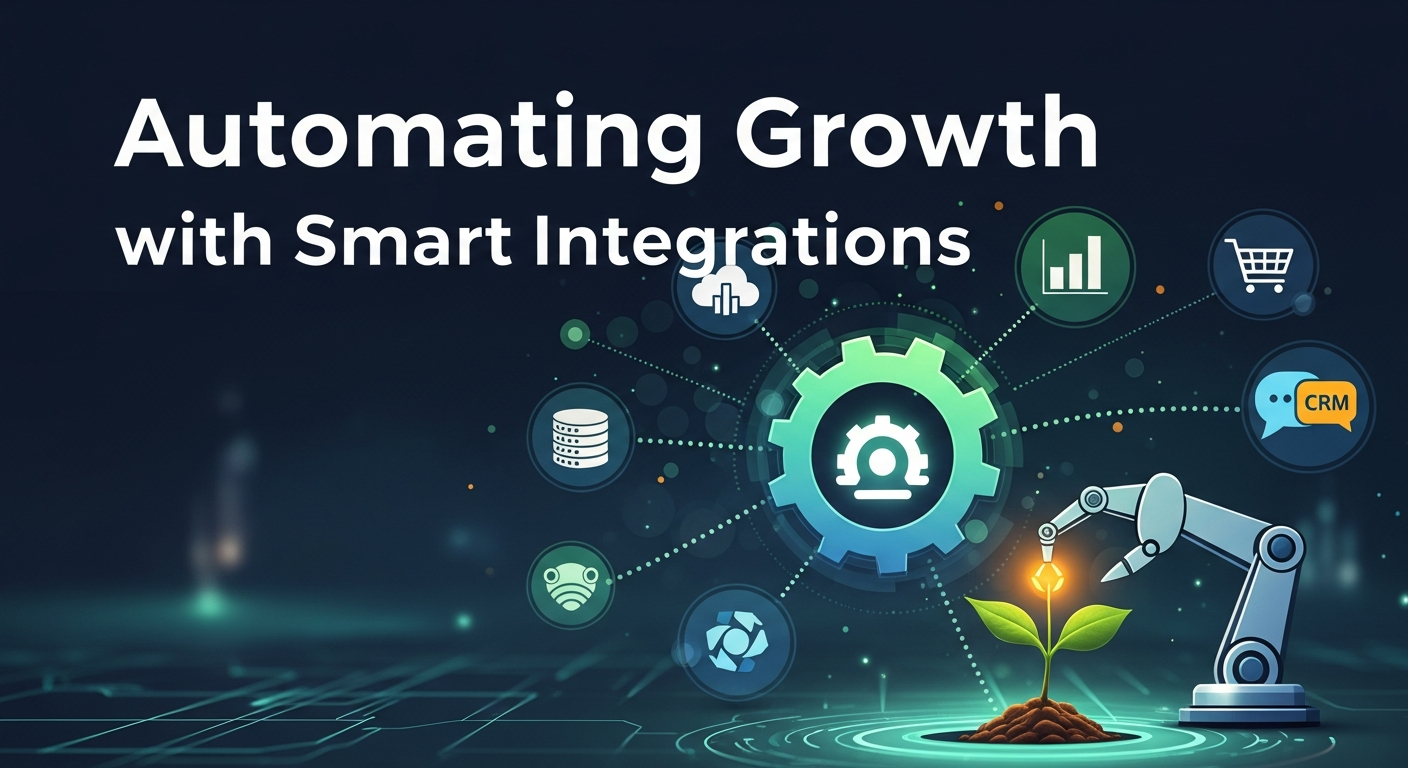 As your subscriber base grows, manual processes become inefficient and time-consuming. Integrating automation tools with your website, CRM, and sales systems ensures smooth data flow and faster communication. API Email Marketing enables businesses to automatically send transactional emails, trigger behavioral campaigns, and sync subscriber data in real time. For example, when someone signs up, makes a purchase, or abandons a cart, automated workflows can instantly respond with relevant messages. This level of automation improves personalization, boosts engagement, and reduces human error. By connecting your systems strategically, you create a seamless experience that nurtures leads while saving time and operational costs.
Building and Managing Lists Through Website Platforms
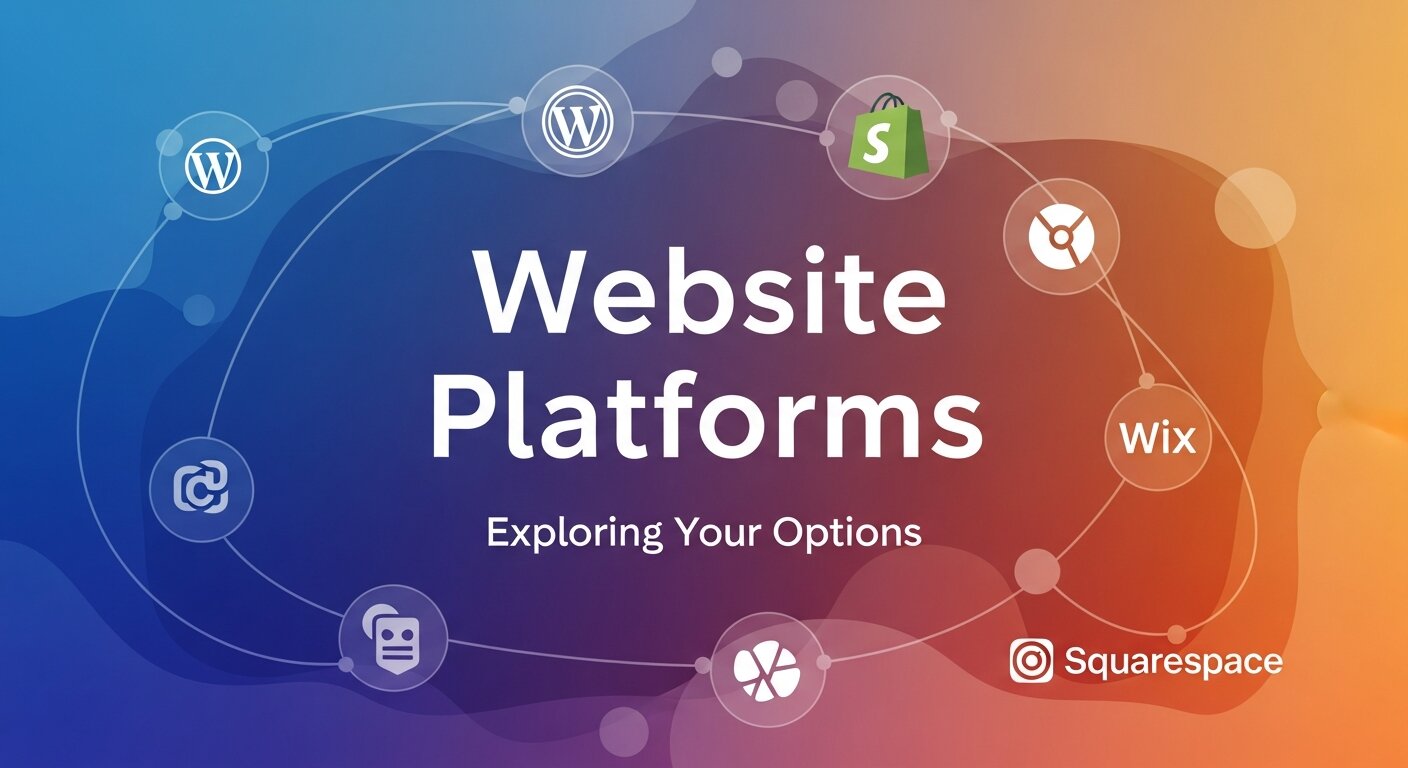 If you run your website on a website builder, you can directly integrate email capture tools without complex setup. Wix Email Marketing makes it easy to design signup forms, create landing pages, and send newsletters from a single dashboard. This simplifies list management, especially for small businesses and entrepreneurs who want an all-in-one solution. You can track subscriber activity, segment contacts based on behavior, and schedule automated email sequences. By embedding forms across key pages and offering compelling lead magnets, your website becomes a powerful list-building machine. Consistent optimization of forms and content ensures steady, long-term subscriber growth.
Frequently Asked Questions (FAQ)
1. How long does it take to build a quality email list?
Building a quality email list takes time and consistency. Some businesses see steady growth within the first few months, especially if they actively promote strong lead magnets. However, meaningful results typically come from long-term effort, continuous optimization, and consistent value delivery rather than quick wins.
2. What is the fastest way to grow an email list?
The fastest way to grow your list is by combining a high-converting lead magnet with targeted paid advertising and optimized landing pages. When you pair this with strategic social media promotion and strong calls-to-action across your website, growth can accelerate significantly.
3. How many subscribers do I need to start making sales?
There is no fixed number required to start generating sales. A small but highly engaged list can outperform a large, inactive one. Even a few hundred targeted subscribers can generate revenue if they trust your brand and find your offers relevant.
4. Should I use single opt-in or double opt-in?
Double opt-in is generally recommended for higher-quality subscribers and better deliverability. While it may slightly reduce total signups, it ensures that subscribers genuinely want to receive your emails and reduces spam complaints.
5. What makes a good lead magnet?
A good lead magnet solves a specific problem for your target audience and delivers immediate value. It should be actionable, relevant to your niche, and aligned with your paid products or services so it attracts potential buyers rather than freebie seekers.
6. How often should I promote my email list?
You should promote your email list consistently across all relevant channels, including your website, blog posts, and social media profiles. Regular reminders and clear value propositions help maintain steady growth without overwhelming your audience.
7. Is it okay to buy an email list to grow faster?
No, buying an email list is not recommended. Purchased lists often contain unengaged or outdated contacts, leading to poor open rates, spam complaints, and potential damage to your sender reputation. Organic list building ensures better engagement and long-term success.
8. How can I improve my email signup conversion rate?
Improving conversion rates involves optimizing headlines, simplifying signup forms, offering compelling incentives, and placing forms strategically throughout your website. A/B testing different elements helps identify what resonates best with your audience.
9. What should I send new subscribers first?
Start with a welcome email that delivers the promised lead magnet and sets expectations for future communication. A short welcome sequence introducing your brand and highlighting your most valuable content can help build trust from the beginning.
10. How do I keep subscribers engaged after they join?
Consistent value is the key to engagement. Send helpful content, insights, and occasional relevant offers. Segment your list to provide more personalized experiences and monitor engagement metrics to adjust your strategy over time.


I'm Email Marketer who crafts targeted campaigns that drive engagement, nurture leads, and boost conversions. With a passion for creating personalized email strategies.











No Comments