

You’ve probably heard the claims: “Email marketing delivers $36 for every $1 spent!” or “Email is 40 times more effective than social media!” These statements might sound too good to be true, leaving you wondering if email marketing is actually legitimate or just another overhyped digital marketing trend.
The short answer? Email marketing is absolutely legitimate—but like any marketing strategy, its effectiveness depends on how you execute it. While some businesses struggle to see results, others generate substantial revenue through well-crafted email campaigns. The difference lies in understanding what makes email marketing work and avoiding the common pitfalls that lead to poor performance.
The Numbers Don’t Lie: Email Marketing Statistics
Email marketing’s legitimacy becomes clear when you look at the data. According to the Direct Marketing Association, email marketing does indeed generate an average return on investment of $38 for every dollar spent. This impressive ROI stems from email’s unique combination of low costs and high reach potential.
Consider these additional statistics that support email marketing’s effectiveness:
- Email reaches 4.03 billion users worldwide, representing over half the global population
- 81% of small and medium businesses rely on email as their primary customer acquisition channel
- Email campaigns generate 50% more sales-ready leads than other marketing methods
- Personalized email campaigns can increase transaction rates by up to 600%
These numbers reflect real business outcomes, not theoretical projections. Companies across industries—from e-commerce retailers to SaaS startups—consistently report measurable results from their email marketing efforts.
Why Email Marketing Works So Well
Email marketing’s legitimacy stems from several inherent advantages that other marketing channels struggle to match.
Direct Access to Your Audience
Unlike social media platforms where algorithm changes can limit your reach, email gives you direct access to your subscribers’ inboxes. When someone provides their email address, they’re explicitly granting you permission to communicate with them. This creates a more intimate connection than other marketing channels.
Cost-Effectiveness and Scalability
Email marketing requires minimal upfront investment compared to paid advertising or traditional marketing methods. Once you have an email service provider, you can reach thousands of subscribers for a fraction of what you’d spend on other channels. The costs remain relatively stable whether you’re emailing 100 or 100,000 people.
Measurable Results
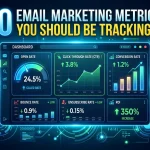
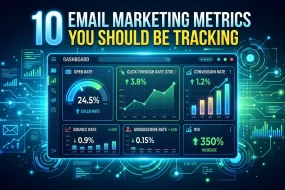
Email marketing platforms provide detailed analytics that shows exactly how your campaigns perform. You can track open rates, click-through rates, conversion rates, and revenue generated. This transparency makes it easy to identify what works and optimize your strategy accordingly.
Personalization Capabilities
Modern email marketing tools allow for sophisticated personalization beyond simply inserting someone’s first name. You can segment your audience based on behavior, preferences, purchase history, and demographics, then send targeted messages that resonate with each group.
Common Misconceptions About Email Marketing
Despite its proven effectiveness, several misconceptions persist about email marketing’s legitimacy.
“Email is Dead”
This myth has circulated for years, yet email usage continues to grow. While communication habits have evolved, email remains the preferred method for business communications and marketing messages. Younger generations might use email differently than older ones, but they still check their inboxes regularly.
“It’s Just Spam”
Legitimate email marketing is permission-based and provides value to recipients. Spam involves sending unwanted messages to purchased lists or scraped email addresses. When done correctly, email marketing strengthens relationships and provides useful information to people who want to receive it.
“Social Media Has Replaced Email”
Social media and email serve different purposes and work best when used together. Social media excels at building awareness and fostering community, while email drives conversions and nurtures long-term relationships. Many successful businesses use both channels strategically.
What Makes Email Marketing Campaigns Fail
Understanding why some email marketing efforts fail helps explain why others succeed spectacularly.
Poor List Building Practices
Buying email lists or adding people without permission leads to low engagement rates and spam complaints. Legitimate email marketing focuses on attracting subscribers who genuinely want to hear from you.
Lack of Value in Content
Emails that only promote products without providing useful information quickly lose subscribers’ attention. Successful email marketing balances promotional content with valuable insights, tips, or entertainment.
Inconsistent Sending Schedule
Sporadic email sending confuses subscribers and reduces engagement. Consistent communication helps build trust and keeps your brand top-of-mind.
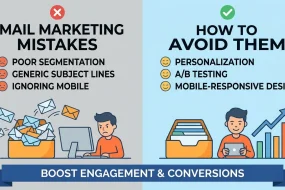
Ignoring Mobile Optimization
Over 60% of emails are opened on mobile devices, yet many businesses still send emails that don’t display properly on smartphones. Mobile-optimized emails are essential for maintaining high engagement rates.
Industries Where Email Marketing Thrives
Email marketing proves particularly effective in certain industries, further demonstrating its legitimacy.
E-commerce businesses use email to recover abandoned carts, promote new products, and encourage repeat purchases. Fashion retailers, electronics stores, and subscription services often generate 20-30% of their revenue through email marketing.
Software companies leverage email to nurture leads through complex sales cycles, onboard new users, and reduce churn. Educational email sequences help prospects understand product benefits before making purchasing decisions.
Professional services firms use email newsletters to demonstrate expertise and stay connected with clients and prospects. Law firms, consultants, and agencies often secure new business through consistent email communication.
Non-profit organizations rely heavily on email to communicate with donors, volunteers, and beneficiaries. Email campaigns drive fundraising efforts and keep supporters engaged with the organization’s mission.
The Role of Automation in Modern Email Marketing
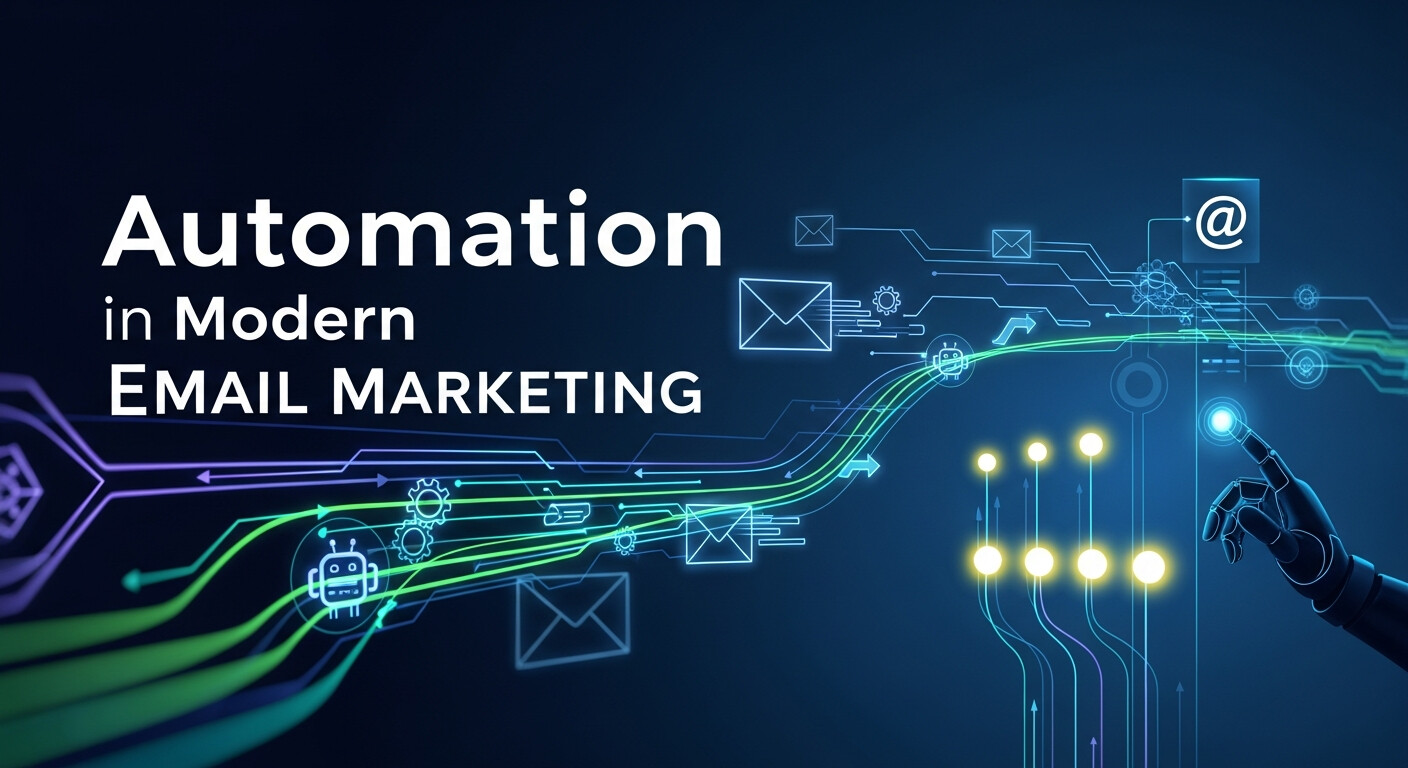
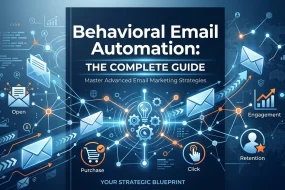
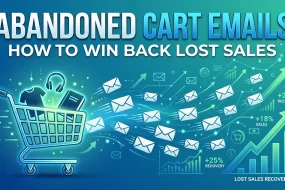
Email marketing automation has transformed how businesses communicate with their audiences. Instead of manually sending one-off campaigns, marketers can now create automated workflows triggered by user actions such as sign-ups, purchases, or inactivity. Welcome emails, abandoned cart reminders, onboarding sequences, and re-engagement campaigns run automatically while delivering timely and relevant messages. Automation ensures consistency, improves efficiency, and allows marketers to scale without increasing workload. When implemented correctly, automated emails often outperform manual campaigns because they reach users at the most relevant moments in their customer journey.
Email Marketing and Customer Retention
While many channels focus on acquiring new customers, email marketing excels at retention. Regular, value-driven emails help businesses stay connected with existing customers, reinforce brand trust, and encourage repeat purchases. Loyalty rewards, personalized recommendations, exclusive offers, and educational content keep subscribers engaged long after the initial sale. Since retaining customers is significantly cheaper than acquiring new ones, email marketing plays a crucial role in long-term profitability. Brands that prioritize retention through thoughtful email strategies often see higher lifetime value and stronger customer relationships.
Compliance and Trust in Email Marketing
Legitimate email marketing relies heavily on compliance with data protection and privacy regulations such as GDPR, CAN-SPAM, and other regional laws. These frameworks ensure that users maintain control over their data and communication preferences. Transparent opt-in processes, clear unsubscribe options, and honest messaging build trust between brands and subscribers. Compliance isn’t just a legal requirement—it’s a credibility signal. Businesses that respect user consent and privacy are more likely to maintain healthy engagement rates and avoid spam complaints, blacklisting, or reputational damage.
The Impact of Subject Lines and Email Design
Even the most valuable email content fails if it’s never opened or read. Subject lines play a critical role in capturing attention and influencing open rates. Clear, curiosity-driven, and benefit-focused subject lines consistently outperform generic ones. Beyond subject lines, email design matters just as much. Clean layouts, readable fonts, strong calls-to-action, and mobile-friendly formatting improve user experience. Since most emails are opened on smartphones, responsive design is no longer optional. Strong presentation enhances credibility and directly impacts engagement and conversions.
Long-Term Value of Building an Email Audience
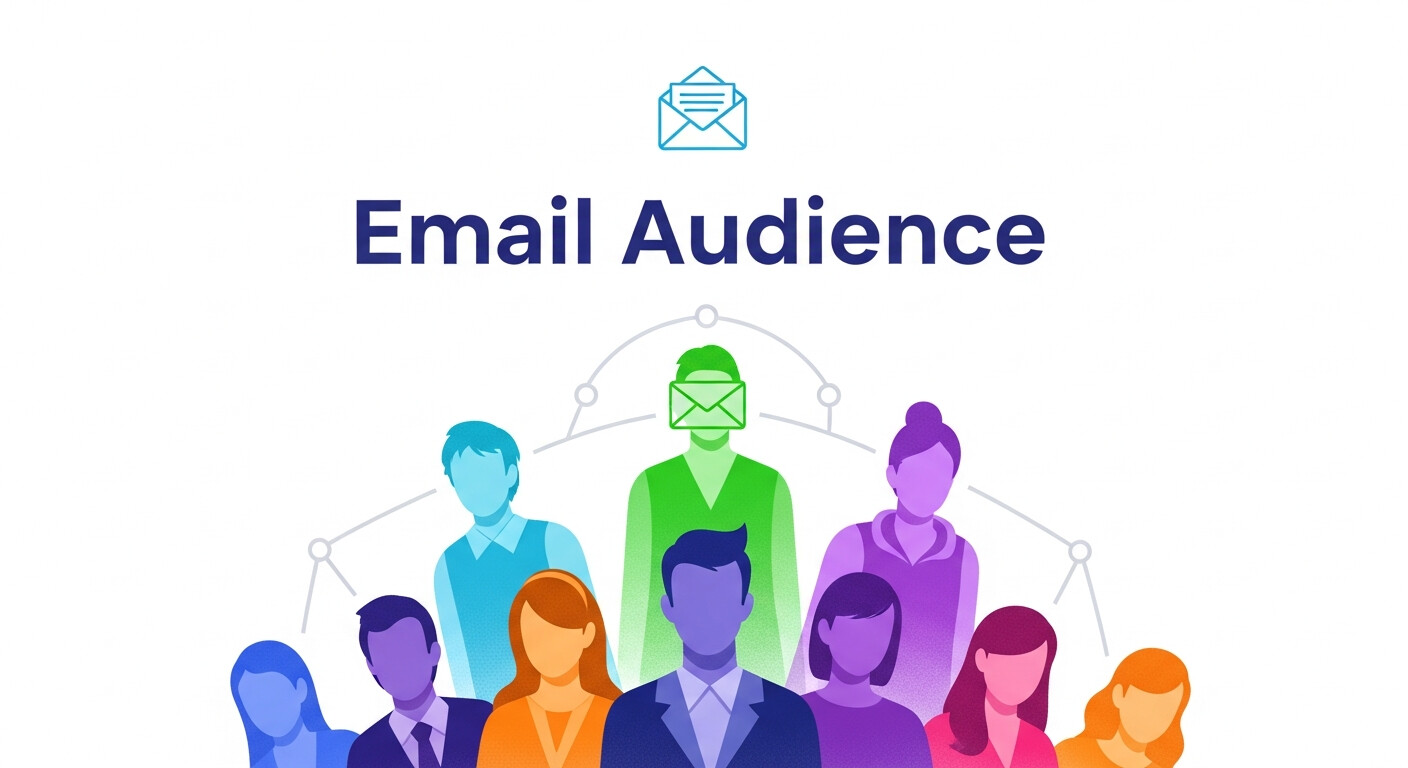
Unlike paid advertising, which stops delivering results when budgets run out, email marketing builds a long-term owned asset: your subscriber list. Each new subscriber increases your ability to communicate, promote, and nurture relationships without relying on third-party platforms or algorithms. Over time, a well-maintained email list becomes one of the most valuable marketing assets a business can own. Brands that invest consistently in list growth and quality enjoy compounding returns, stronger brand loyalty, and greater control over their marketing outcomes.
How to Determine if Email Marketing is Right for Your Business
Email marketing works for most businesses, but certain factors influence its potential effectiveness for your specific situation.
Consider your customer relationship timeline. Businesses with longer sales cycles or repeat purchase patterns typically see better email marketing results. If customers make one-time purchases and never return, email marketing might provide less value.
Evaluate your content creation capabilities. Successful email marketing requires consistent, valuable content. If you struggle to create regular blog posts or social media updates, email marketing might present similar challenges.
Assess your audience’s email habits. While most people check email regularly, some industries or demographics might prefer other communication methods. Research your target audience’s preferences before investing heavily in email marketing.
Getting Started: Best Practices for Legitimate Email Marketing
If you decide email marketing is worth pursuing, following these best practices ensures you build a legitimate, effective program.
Start with a quality email service provider that includes features like list segmentation, automation, and detailed analytics. Popular options include Mailchimp, Constant Contact, and ConvertKit.
Focus on organic list building through lead magnets, content upgrades, and website opt-in forms. Avoid purchasing lists or adding people without explicit permission.
Develop a content strategy that balances promotional messages with valuable information. The 80/20 rule suggests 80% of your emails should provide value, while 20% can be directly promotional.
Test different subject lines, send times, and content formats to optimize your results. Most email platforms include A/B testing features that make this process straightforward.
The Verdict: Email Marketing’s Legitimacy
Email marketing is undoubtedly legitimate and remains one of the most effective digital marketing strategies available. The combination of high ROI, direct audience access, and measurable results makes it an essential tool for most businesses.
However, success requires proper execution, consistent effort, and a focus on providing value to subscribers. Businesses that approach email marketing strategically and ethically consistently see positive results, while those that cut corners or ignore best practices often struggle.
If you haven’t explored email marketing for your business, the evidence strongly supports giving it a try. Start small, focus on building a quality subscriber list, and consistently deliver valuable content. The legitimacy of email marketing becomes apparent once you begin seeing the results for yourself.
Frequently Asked Questions (FAQ)
1. Is email marketing still effective in 2025?
Yes, email marketing remains highly effective in 2025. With strong ROI, advanced personalization, and automation tools, email continues to outperform many digital channels for lead nurturing, conversions, and customer retention.
2. Why does email marketing have such a high ROI?
Email marketing is cost-effective, scalable, and permission-based. Businesses can reach a large audience with minimal expense while delivering targeted, personalized messages that drive higher engagement and conversions.
3. How is email marketing different from spam?
Email marketing is permission-based and sent to users who opt in to receive communication. Spam involves unsolicited messages sent without consent. Legitimate email marketing follows compliance rules and focuses on delivering value.
4. Does email marketing work for small businesses?
Absolutely. Email marketing is especially valuable for small businesses because it requires a low budget, delivers measurable results, and helps build long-term customer relationships without heavy ad spend.
5. How often should businesses send marketing emails?
The ideal frequency depends on your audience and content quality. Most businesses perform well with one to four emails per month, as long as the content is relevant, valuable, and consistent.
6. What types of emails perform best?
Emails that educate, solve problems, or provide exclusive value tend to perform best. Examples include newsletters, product tips, case studies, abandoned cart emails, and personalized recommendations.
7. Can email marketing help increase sales?
Yes. Email marketing is one of the strongest sales-driving channels. Automated flows like welcome emails, cart recovery, upsells, and re-engagement campaigns significantly boost conversions and repeat purchases.
8. Is email marketing better than social media marketing?
Email and social media serve different purposes. Social media builds awareness, while email drives conversions and retention. The most successful strategies use both channels together rather than choosing one over the other.
9. What are the biggest mistakes in email marketing?
Common mistakes include buying email lists, sending irrelevant content, ignoring mobile optimization, inconsistent sending, and not analyzing performance data to improve campaigns.
10. How long does it take to see results from email marketing?
Results can appear within weeks, especially with automated emails like welcome or abandoned cart campaigns. Long-term success improves as your list grows and your content strategy matures.


I'm Email Marketer who crafts targeted campaigns that drive engagement, nurture leads, and boost conversions. With a passion for creating personalized email strategies.



No Comments