

Cold email marketing remains one of the most debated strategies in digital marketing. While some swear by its effectiveness, others dismiss it as spam that belongs in the trash folder. If you’ve been wondering whether cold email marketing actually delivers results, you’re asking the right question.
What Is Cold Email Marketing?
Cold email marketing involves sending unsolicited emails to potential customers who haven’t previously interacted with your business. Unlike spam, cold emails are targeted, personalized, and provide genuine value to recipients. They’re typically used for lead generation, sales outreach, and business development.
The key distinction lies in intent and execution. While spam emails are mass-produced and generic, effective cold emails are carefully researched and tailored to specific recipients. They focus on solving problems rather than pushing products.
The Numbers Behind Cold Email Success
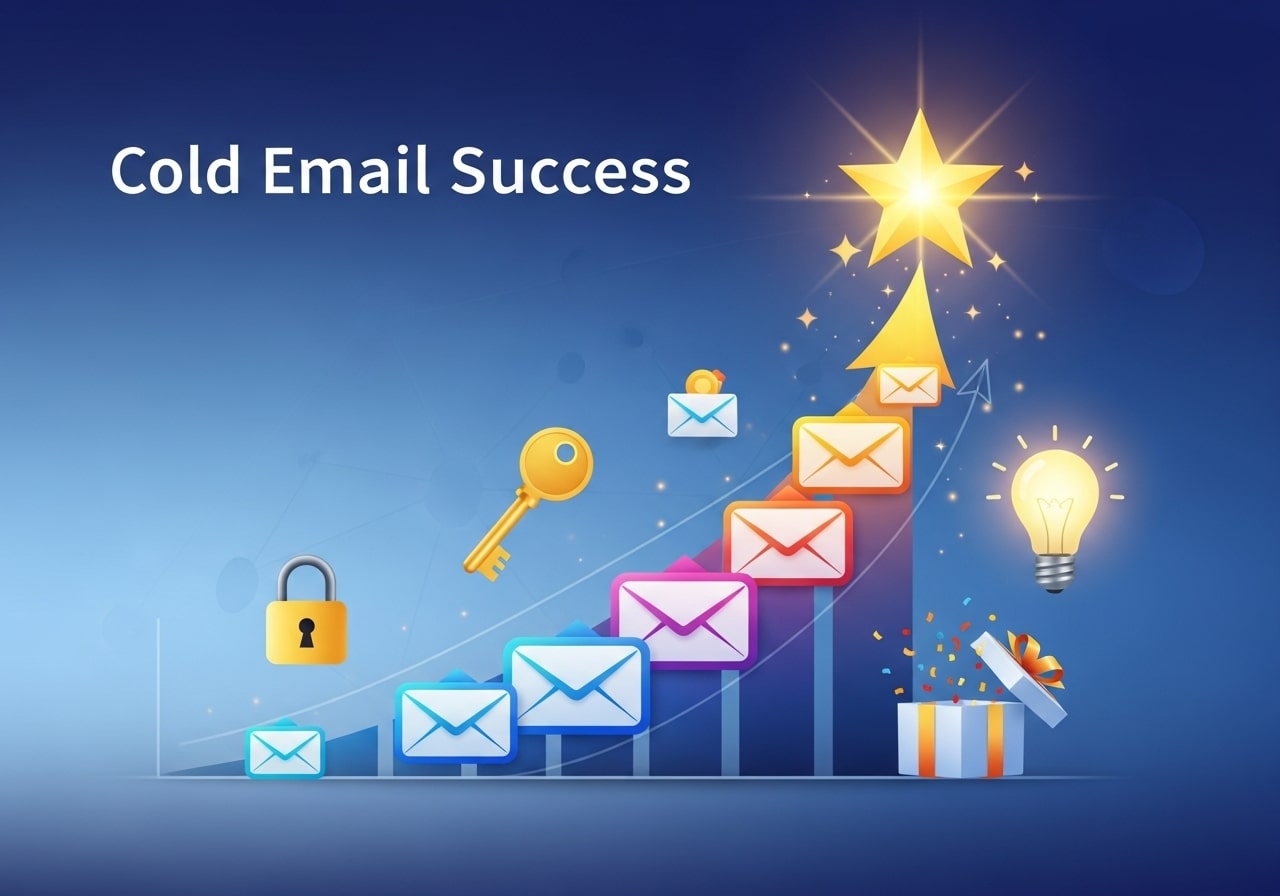
Research reveals compelling statistics about cold email effectiveness. According to industry studies, cold emails generate an average response rate of 1-5%, with well-crafted campaigns achieving rates as high as 10-15%. While these numbers might seem modest, they translate to significant results when applied at scale.
Consider the math: if you send 1,000 targeted cold emails with a 3% response rate, you’ll receive 30 responses. Even if only 10% of those responses convert to sales meetings, you’ve generated three qualified leads from a single campaign. For many businesses, three high-quality leads can justify the entire effort.
The return on investment can be substantial. Cold email marketing costs significantly less than paid advertising, trade shows, or traditional marketing channels. When done right, it delivers one of the highest ROIs in digital marketing.
Why Cold Email Marketing Works
Several factors contribute to cold email marketing’s effectiveness:
Direct Communication Channel
Email provides a direct line to decision-makers. Unlike social media posts that compete for attention in crowded feeds, emails land directly in recipients’ inboxes. This creates an opportunity for one-on-one communication that other marketing channels can’t match.
Personalization at Scale
Modern email tools enable personalization beyond simply inserting names. You can customize messages based on company size, industry, recent news, or specific pain points. This level of personalization helps emails feel relevant rather than generic.
Low Barrier to Entry
Cold email marketing requires minimal upfront investment. You need an email account, contact research tools, and time to craft messages. This accessibility makes it particularly attractive for startups and small businesses with limited marketing budgets.
Measurable Results
Email platforms provide detailed analytics, including open rates, click-through rates, and response rates. This data helps you refine your approach and improve campaign performance over time.
What Makes Cold Emails Effective
Successful cold email campaigns share several characteristics:
Thorough Research
Effective cold emails demonstrate knowledge about the recipient and their business. This might include referencing recent company news, industry challenges, or mutual connections. Research shows recipients are significantly more likely to respond when emails feel personally relevant.
Clear Value Proposition
Recipients should immediately understand what’s in it for them. Whether you’re offering a solution to a specific problem or sharing valuable insights, the benefit must be obvious within the first few sentences.
Compelling Subject Lines
Subject lines determine whether emails get opened. Effective subject lines are specific, intriguing, and avoid spam triggers. They might pose questions, mention mutual connections, or reference specific pain points.
Professional Tone
Cold emails should strike a balance between professional and conversational. They need to establish credibility while remaining approachable and human.
Clear Call to Action
Every cold email should have a specific, low-commitment call to action. Rather than asking for immediate purchases, successful emails typically request brief phone calls or meetings to explore potential collaboration.
Segmenting Your Email List
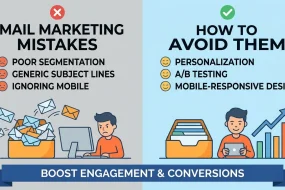
Segmenting your email list ensures that each recipient receives messages relevant to their interests, industry, or role. By dividing contacts into smaller, targeted groups, you can craft highly personalized emails that resonate with each segment. Segmentation increases engagement, response rates, and overall campaign effectiveness. For example, sending a product update to existing customers differs from sending an introductory email to a cold prospect. Proper segmentation also helps track which groups respond best, allowing continuous optimization. Without segmentation, emails risk appearing generic, reducing trust and increasing the likelihood of being ignored or marked as spam.
Crafting Engaging Subject Lines
Your email subject line is the first impression and often determines whether recipients open your message. Effective subject lines are clear, concise, and spark curiosity without sounding gimmicky. They can reference pain points, offer value, or ask questions to create engagement. Avoid spammy words like “free” or excessive punctuation, as these trigger filters. Testing multiple subject lines through A/B experiments helps identify what resonates with your audience. Remember, personalization in subject lines—such as including the recipient’s name or company—can significantly increase open rates. Strong subject lines are critical for turning your cold email into meaningful conversations.
Writing Persuasive Email Copy
The body of your cold email must deliver value quickly. Keep sentences short, language conversational, and focus on benefits rather than features. Highlight how your product or service solves a problem the recipient faces. Include social proof, such as testimonials or case studies, to establish credibility. Use formatting like bullet points or bold text to make key points stand out. Avoid long paragraphs or jargon that can overwhelm the reader. Finally, ensure your email concludes with a clear, low-pressure call to action, such as scheduling a call or downloading a resource, guiding recipients toward the next step without being pushy.
Timing Your Emails for Maximum Impact
When you send a cold email can affect its success significantly. Research indicates mid-week (Tuesday through Thursday) and late morning to early afternoon often yield higher open and response rates. However, timing should consider industry norms and audience behavior. For global campaigns, adjust send times to local time zones for optimal engagement. Avoid sending emails during holidays or weekends unless your audience typically checks emails at those times. Additionally, experimenting with different times and days through A/B testing allows you to identify patterns that maximize opens, clicks, and replies, improving the overall ROI of your campaigns.
Follow-Up Strategies That Work
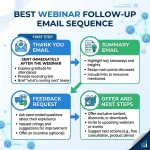
Follow-up emails are essential in cold email campaigns. Many prospects don’t respond to the first email, so a structured follow-up sequence increases chances of engagement. Keep follow-ups polite, concise, and add new value rather than repeating the original message. Include helpful resources, updates, or additional insights that demonstrate relevance. Timing is crucial—spacing follow-ups 2–5 days apart maintains presence without being intrusive. A well-crafted follow-up sequence can convert hesitant prospects into meaningful conversations, while poorly executed follow-ups risk annoying recipients and reducing response rates. Tracking responses also informs adjustments to improve outreach success.
Using Automation Tools Wisely
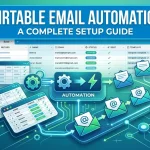
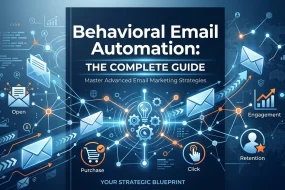
Automation tools can streamline cold email campaigns, allowing you to send personalized sequences at scale. Platforms offer features like scheduled sends, follow-up automation, A/B testing, and performance analytics. While automation improves efficiency, it must be used carefully to avoid overly generic messages. Personalization, even at scale, ensures recipients feel valued and understood. Automation also helps track engagement metrics, allowing you to refine campaigns based on real data. By combining human insight with automation, businesses can maintain high-quality outreach while saving time, improving response rates, and generating consistent leads without sacrificing personalization.
Analyzing Campaign Performance
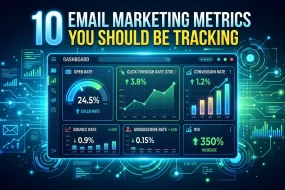
Analyzing cold email performance is key to continuous improvement. Track open rates, click-through rates, reply rates, and conversions to understand which strategies resonate with your audience. Use analytics to identify trends, such as which subject lines, messaging styles, or segments perform best. Monitoring deliverability ensures emails reach inboxes, while testing new approaches helps optimize future campaigns. Proper analysis enables data-driven decisions, improving ROI and minimizing wasted effort. Additionally, review pipeline impact and long-term engagement to determine true business value. Continuous evaluation ensures that cold email campaigns evolve, stay relevant, and consistently generate high-quality leads over time.
Common Cold Email Mistakes That Kill Results
Many cold email campaigns fail due to preventable mistakes:
Generic Templates
Mass-produced emails that could apply to anyone rarely generate responses. Recipients can spot template emails immediately, and they typically delete them without reading.
Focusing on Features Instead of Benefits
Emails that list product features without explaining how they solve the recipient’s problems miss the mark. Successful cold emails focus on outcomes and benefits that matter to the recipient.
Poor Timing
Sending emails at the wrong time can hurt response rates. Research suggests Tuesday through Thursday between 10 AM and 2 PM generates the best results, though this varies by industry and target audience.
Aggressive Follow-up
While follow-up emails are important, being too aggressive can backfire. Respectful persistence works better than pushy sales tactics.
Ignoring Legal Requirements
Cold email marketing must comply with laws like CAN-SPAM in the United States and GDPR in Europe. Violations can result in significant penalties and damage to your reputation.
Industry-Specific Success Rates
Cold email effectiveness varies significantly across industries:
Technology and SaaS companies often see higher response rates because their audiences are comfortable with digital communication and frequently evaluate new tools.
Professional services like consulting and marketing agencies can achieve strong results when targeting specific verticals with tailored expertise.
E-commerce and retail businesses typically see lower response rates for direct sales but can succeed with partnership and collaboration outreach.
Manufacturing and industrial companies may experience slower response times, but often generate higher-value opportunities when connections are made.
Measuring Cold Email Success
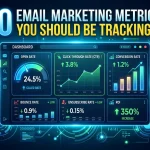
Success metrics extend beyond response rates. Consider tracking:
- Open rates indicate subject line effectiveness and sender reputation
- Click-through rates measure message engagement and call-to-action effectiveness
- Reply rates show how well your message resonates with recipients
- Meeting booking rates demonstrate your ability to convert interest into action
- Pipeline value tracks the monetary impact of your cold email efforts
Alternatives and Complementary Strategies
While cold email can be effective, it works best as part of a comprehensive outreach strategy. Consider combining cold email with:
LinkedIn outreach can warm up prospects before sending emails, increasing response likelihood.
Content marketing establishes thought leadership and provides valuable resources to reference in cold emails.
Social media engagement helps build relationships and credibility before direct outreach.
Referral programs leverage existing relationships to generate warm introductions.
Making Cold Email Work for Your Business
Cold email marketing does work, but success requires strategy, patience, and continuous improvement. Start with thorough research, craft personalized messages that provide genuine value, and focus on building relationships rather than making immediate sales.
Test different approaches, measure your results, and refine your strategy based on what you learn. Remember that cold email is a numbers game—not every email will generate a response, but consistent effort with the right approach will produce results.
If you’re ready to explore cold email marketing, start small with a targeted list of ideal prospects. Focus on quality over quantity, and be prepared to iterate based on your results. With the right strategy and execution, cold email marketing can become a valuable component of your lead generation efforts.
Frequently Asked Questions (FAQ) – Cold Email Marketing
1. What is cold email marketing?
Cold email marketing is the practice of sending personalized, targeted emails to potential customers who have not previously interacted with your business. Its goal is to start conversations, generate leads, or build business relationships.
2. Is cold email marketing legal?
Yes, cold email marketing is legal when done correctly. You must comply with regulations such as CAN-SPAM (USA) and GDPR (EU), which include requirements like clear identification, opt-out options, and lawful data usage.
3. Does cold email marketing still work in 2026?
Yes. When emails are personalized, relevant, and value-driven, cold email marketing remains an effective lead generation channel with strong ROI across many industries.
4. What response rate should I expect from cold emails?
Average response rates range between 1–5%. Well-optimized and highly targeted campaigns can achieve response rates of 10% or higher.
5. How many follow-up emails should I send?
Typically, 2–4 polite follow-ups work best. Persistence is important, but aggressive or excessive follow-ups can harm your brand and reduce response rates.
6. What makes a cold email successful?
Successful cold emails include strong personalization, clear value propositions, concise messaging, compelling subject lines, and a low-commitment call to action.
7. What industries benefit most from cold email marketing?
Technology, SaaS, professional services, consulting, and B2B companies tend to see higher success rates due to decision-makers’ familiarity with email-based communication.
8. How is cold email different from spam?
Spam is mass-sent, irrelevant, and often deceptive. Cold emails are targeted, personalized, compliant with regulations, and focused on solving real problems for the recipient.
9. What tools are used for cold email campaigns?
Common tools include email outreach platforms, CRM systems, email verification tools, and analytics software to track opens, replies, and conversions.
10. Can cold email marketing generate long-term results?
Yes. Beyond immediate leads, cold email can build long-term relationships, partnerships, and a predictable pipeline when used consistently and strategically.


I'm Email Marketer who crafts targeted campaigns that drive engagement, nurture leads, and boost conversions. With a passion for creating personalized email strategies.

No Comments