

While social media platforms rise and fall, and new marketing trends emerge daily, email marketing continues delivering exceptional results for businesses of all sizes. Despite predictions of its demise, email marketing generates an average return of $36 for every dollar spent—making it one of the most cost-effective marketing channels available.
This comprehensive guide explores why email marketing remains essential for modern businesses and how to harness its power effectively. You’ll discover the unique advantages email provides, learn how it compares to other marketing channels, and understand how to build campaigns that drive real results.
Email Marketing Delivers Unmatched ROI
Email marketing’s financial impact sets it apart from other digital marketing channels. The numbers speak for themselves: businesses see an average return on investment of 3,600%. This remarkable performance stems from email’s low cost and high conversion rates.
Unlike paid advertising, where costs increase with reach, email marketing costs remain relatively stable as your list grows. Sending 1,000 emails costs nearly the same as sending 10,000 emails. This scalability means your marketing efficiency improves as your business grows.
Email campaigns also convert at higher rates than social media posts or display ads. While social media engagement rates hover around 1-2%, email open rates average 20-25%, with click-through rates between 2-4%. These higher engagement rates translate directly into more sales and revenue.
You Own Your Email List
Social media platforms control access to your audience. Algorithm changes can dramatically reduce your reach overnight, and platform shutdowns can eliminate years of relationship building. Email marketing gives you direct access to your customers without intermediaries.
When you build an email list, you create a valuable business asset that you completely control. You decide when to contact subscribers, what messages to send, and how to segment your audience. This control provides stability and predictability that social media marketing cannot match.
Email subscribers also demonstrate higher intent than social media followers. People who provide their email addresses show genuine interest in your business and expect to hear from you. This explicit permission creates stronger relationships and higher conversion rates.
Email Enables Personalization at Scale
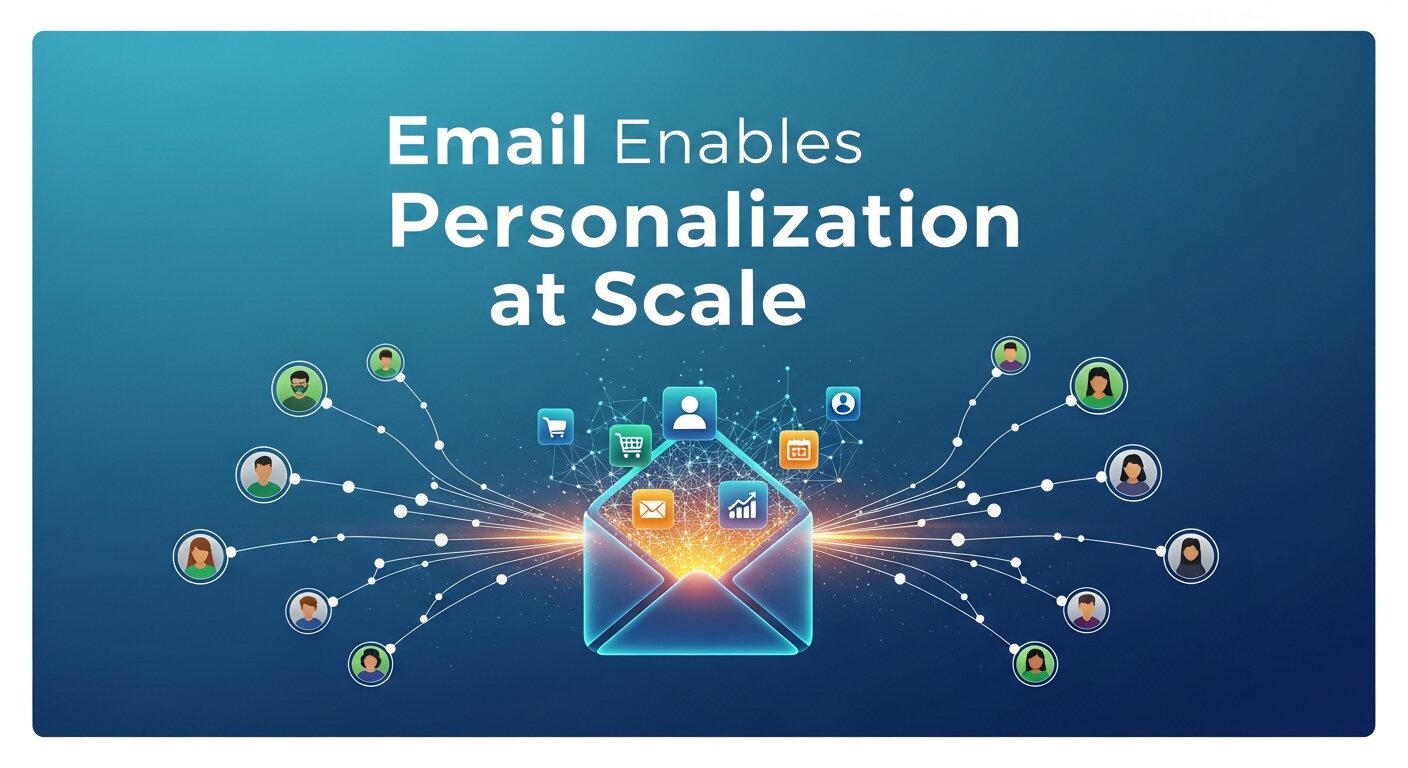 Modern email marketing platforms allow sophisticated personalization that was impossible just a few years ago. You can customize messages based on subscriber behavior, purchase history, demographics, and preferences.
Personalized emails generate significantly higher engagement rates than generic broadcasts. Using a subscriber’s name increases open rates by 26%, while behavioral triggers like abandoned cart emails convert at rates exceeding 15%.
Advanced segmentation lets you send highly relevant messages to specific audience groups. You might send different content to new subscribers versus long-term customers, or create separate campaigns for different product interests. This precision targeting maximizes relevance and drives better results.
Email Supports Every Stage of the Customer Journey
Email marketing works effectively at every stage of the customer journey, from initial awareness to post-purchase loyalty. This versatility makes it an essential component of comprehensive marketing strategies.
Awareness Stage
Welcome email sequences introduce new subscribers to your brand and establish expectations. These automated campaigns can include company background, product overviews, and exclusive offers for new subscribers. Well-crafted welcome sequences often achieve open rates exceeding 50%.
Consideration Stage
Educational content helps prospects evaluate your solutions. Newsletter campaigns, case studies, and product demonstrations build trust and position your business as an industry authority. Regular communication keeps your brand top-of-mind during the decision-making process.
Purchase Stage
Promotional emails drive immediate action with limited-time offers, product launches, and exclusive discounts. These campaigns create urgency and provide compelling reasons to buy now rather than later.
Retention Stage
Post-purchase emails strengthen customer relationships and encourage repeat business. Order confirmations, shipping updates, and follow-up surveys enhance the customer experience. Loyalty programs and exclusive offers for existing customers increase lifetime value.
Email Integration Enhances Other Marketing Channels
Email marketing doesn’t operate in isolation—it amplifies the effectiveness of other marketing channels. Integration creates cohesive customer experiences that drive better results across all touchpoints.
Social media campaigns can drive email signups, while email campaigns can increase social media followers. Blog content can be repurposed into email newsletters, and email campaigns can drive traffic to new blog posts. This cross-channel synergy maximizes your marketing investment.
Customer data from email campaigns provides valuable insights for other marketing efforts. Email engagement metrics reveal customer preferences, content interests, and behavioral patterns. This information improves targeting for paid advertising, content creation, and product development.
Email Marketing Builds Long-Term Relationships
Email marketing excels at nurturing long-term customer relationships. Regular communication keeps your brand visible and relevant, while valuable content builds trust and authority.
Unlike one-time advertising interactions, email creates an ongoing dialogue with customers. You can share company updates, industry insights, and helpful tips that provide value beyond direct sales pitches. This relationship-building approach creates customer loyalty that withstands competitive pressure.
Email campaigns also provide opportunities for two-way communication. Subscribers can reply to emails, participate in surveys, or engage with interactive content. This engagement helps you understand customer needs and preferences better.
Automation Maximizes Efficiency
 Email automation handles routine communications while you focus on strategy and growth. Automated campaigns respond to subscriber actions, send timely messages, and nurture leads without manual intervention.
Common automation scenarios include welcome sequences for new subscribers, abandoned cart reminders for e-commerce customers, and re-engagement campaigns for inactive subscribers. These automated workflows operate 24/7, ensuring consistent communication without constant management.
Advanced automation can create complex customer journeys based on multiple triggers and conditions. A subscriber might receive different content based on their location, purchase history, and engagement level. This sophisticated automation provides personalized experiences at scale.
Email Marketing Adapts to Mobile Behavior
Mobile devices account for over 60% of email opens, making mobile optimization essential. Email marketing platforms provide responsive templates that adapt to different screen sizes automatically.
Mobile-optimized emails load quickly, display correctly and provide easy navigation on smartphones and tablets. This mobile-first approach ensures your messages reach customers regardless of how they access email.
Mobile integration also enables location-based marketing and real-time notifications. You can send location-specific offers, event reminders, and time-sensitive promotions that leverage mobile capabilities.
Measuring Email Marketing Success
 Email marketing provides detailed analytics that help you optimize performance and prove ROI. Key metrics include open rates, click-through rates, conversion rates, and unsubscribe rates.
Advanced analytics reveal subscriber behavior patterns, content preferences, and campaign performance trends. This data enables continuous improvement and more effective targeting.
A/B testing allows you to compare different subject lines, content formats, and send times. These experiments provide insights that improve future campaigns and increase overall effectiveness.
Email Marketing Compliance and Best Practices
Successful email marketing requires compliance with regulations like CAN-SPAM, GDPR, and CCPA. These laws protect consumer privacy and ensure responsible marketing practices.
Best practices include obtaining explicit consent before adding subscribers, providing clear unsubscribe options, and maintaining clean email lists. Following these guidelines protects your reputation and ensures deliverability.
Permission-based marketing builds stronger relationships than purchased lists or aggressive tactics. Subscribers who voluntarily join your list show genuine interest and engage at higher rates.
Common Email Marketing Mistakes to Avoid
Several common mistakes can undermine email marketing effectiveness. Avoiding these pitfalls helps you maximize results and maintain subscriber engagement.
Sending too many emails can overwhelm subscribers and increase unsubscribe rates. Finding the right frequency depends on your audience and content quality. Monitor engagement metrics to identify optimal sending schedules.
Generic content that doesn’t provide value will quickly lose subscriber interest. Focus on helpful, relevant content that addresses subscriber needs and interests. Mix promotional messages with educational content and industry insights.
Neglecting mobile optimization can significantly reduce engagement. Test all emails on mobile devices and use responsive design templates that adapt to different screen sizes.
Building Your Email Marketing Strategy
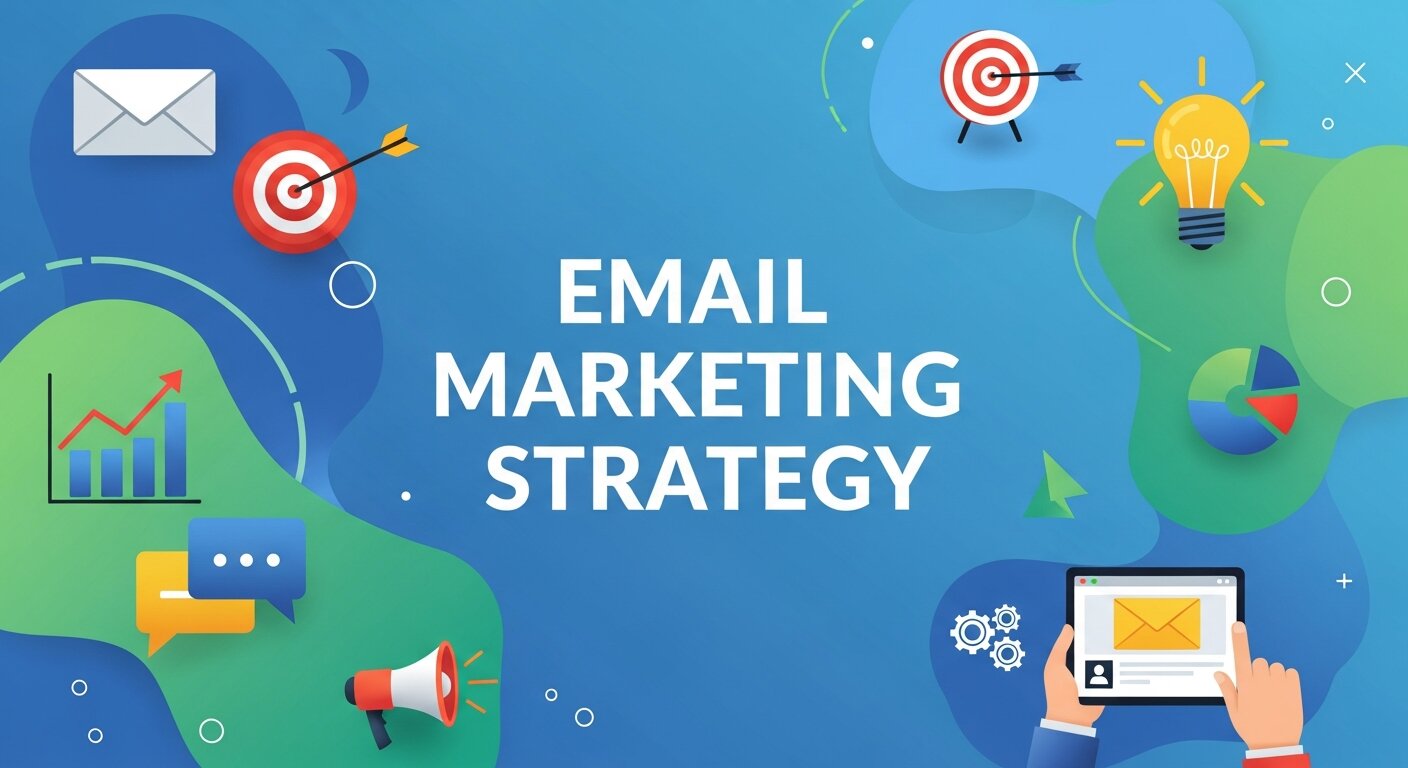
Creating an effective email marketing strategy starts with defining clear goals and understanding your audience. Consider what you want to achieve—whether it’s increasing sales, building brand awareness, or improving customer retention.
Develop a content calendar that balances promotional messages with valuable content. Regular newsletters, product updates, and educational content create consistent touchpoints with subscribers.
Choose an email marketing platform that matches your needs and budget. Popular options include Mailchimp, Constant Contact, and HubSpot. Consider features like automation, segmentation, and analytics when making your selection.
Streamlining Communication with Your Audience
Maintaining consistent communication with your subscribers is crucial for business growth. By sending targeted messages at the right time, you can increase engagement and build stronger relationships with your customers. Modern email platforms allow marketers to automate repetitive tasks like welcome emails, follow-ups, and promotional campaigns. This not only saves time but also ensures that every subscriber receives relevant content tailored to their interests. Businesses that implement these strategies often see improved conversion rates and higher customer satisfaction. With proper integration, automation can create complex workflows that respond to subscriber behavior seamlessly, making Email Marketing Automation an essential tool for efficiency and growth.
Understanding Investment and Budgeting
One of the most important considerations for any marketing campaign is understanding the associated costs. Email marketing provides an affordable solution compared to paid advertising, yet it’s vital to account for factors like subscriber volume, third-party services, and template customization. By planning a realistic budget, businesses can maximize ROI while maintaining high-quality communications. Many platforms offer scalable pricing that adjusts as your list grows, ensuring you never overpay while expanding your reach. Knowing the Email Marketing Costs in advance allows for better financial planning and ensures your campaigns are both cost-effective and impactful.
Connecting Platforms Through APIs
Integrating your email system with other business tools enhances functionality and efficiency. API connections allow your email platform to communicate directly with CRMs, e-commerce systems, and analytics tools. This ensures subscriber data is always up to date, campaigns are triggered by real-time behavior, and insights flow seamlessly between platforms. For example, purchase data can automatically trigger personalized campaigns, improving engagement and conversions. By leveraging API Email Marketing, companies can streamline processes, reduce manual work, and provide a more personalized experience for every subscriber, turning email campaigns into a smarter, data-driven strategy.
Starting Your Email Marketing Journey
Email marketing remains a cornerstone of effective digital marketing strategies. Its combination of high ROI, direct customer access, and personalization capabilities makes it essential for businesses seeking sustainable growth.
Begin by selecting an email marketing platform and creating a simple lead magnet to attract subscribers. Focus on building a quality list of engaged subscribers rather than pursuing quantity alone.
Develop a content strategy that provides value to subscribers while supporting your business goals. Consistency and relevance matter more than frequency—it’s better to send fewer high-quality emails than frequent low-value messages.
Start with basic campaigns and gradually incorporate advanced features like automation and segmentation. Email marketing success comes from consistent effort and continuous optimization based on subscriber feedback and performance data.
Frequently Asked Questions (FAQ)
1. Why is email marketing still effective in 2026?
Email marketing continues to deliver high ROI because it provides direct access to your audience, allows personalized messaging, and scales efficiently. Unlike social media, you own your list and can control how and when you communicate with subscribers, which improves conversions and engagement over time.
2. How much ROI can I expect from email marketing?
On average, businesses see a return of $36 for every $1 spent, translating to a 3,600% ROI. This is due to low costs, high engagement rates, and the ability to segment and personalize emails for maximum relevance.
3. What is the difference between email marketing and social media marketing?
Social media marketing relies on platforms you don’t control and is subject to algorithm changes, while email marketing gives direct access to your audience. Emails allow targeted messaging, higher engagement, and measurable results, making it more predictable and scalable.
4. Can I personalize emails for each subscriber?
Yes. Modern email platforms enable personalization at scale using subscriber names, purchase history, behavior, and preferences. Personalized emails significantly boost open rates, click-throughs, and conversions compared to generic campaigns.
5. How does email marketing support the customer journey?
Email campaigns can be tailored for every stage:
-
Awareness: Welcome sequences and introductory content.
-
Consideration: Case studies and educational emails.
-
Purchase: Promotions and limited-time offers.
-
Retention: Post-purchase follow-ups and loyalty programs.
6. Do I need automation to succeed in email marketing?
Automation isn’t required but highly recommended. It allows you to send timely, triggered emails like abandoned cart reminders or welcome sequences without manual effort, ensuring consistent communication and better engagement.
7. How important is mobile optimization?
Extremely important. Over 60% of email opens occur on mobile devices. Using responsive templates ensures your emails display correctly, load quickly, and provide easy navigation on smartphones and tablets.
8. How can I measure email marketing success?
Track key metrics like open rates, click-through rates, conversions, unsubscribe rates, and engagement patterns. Use A/B testing to optimize subject lines, content, and sending times for improved results.
9. Is email marketing compliant with privacy regulations?
Yes, as long as you follow best practices: obtain explicit consent, include clear unsubscribe options, and maintain clean email lists. Compliance with CAN-SPAM, GDPR, and CCPA ensures ethical marketing and better deliverability.
10. What are common mistakes to avoid in email marketing?
Avoid sending too many emails, using generic content, and neglecting mobile optimization. Focus on providing value, segmenting your audience, and monitoring engagement metrics for ongoing improvement.


I'm Email Marketer who crafts targeted campaigns that drive engagement, nurture leads, and boost conversions. With a passion for creating personalized email strategies.







No Comments