

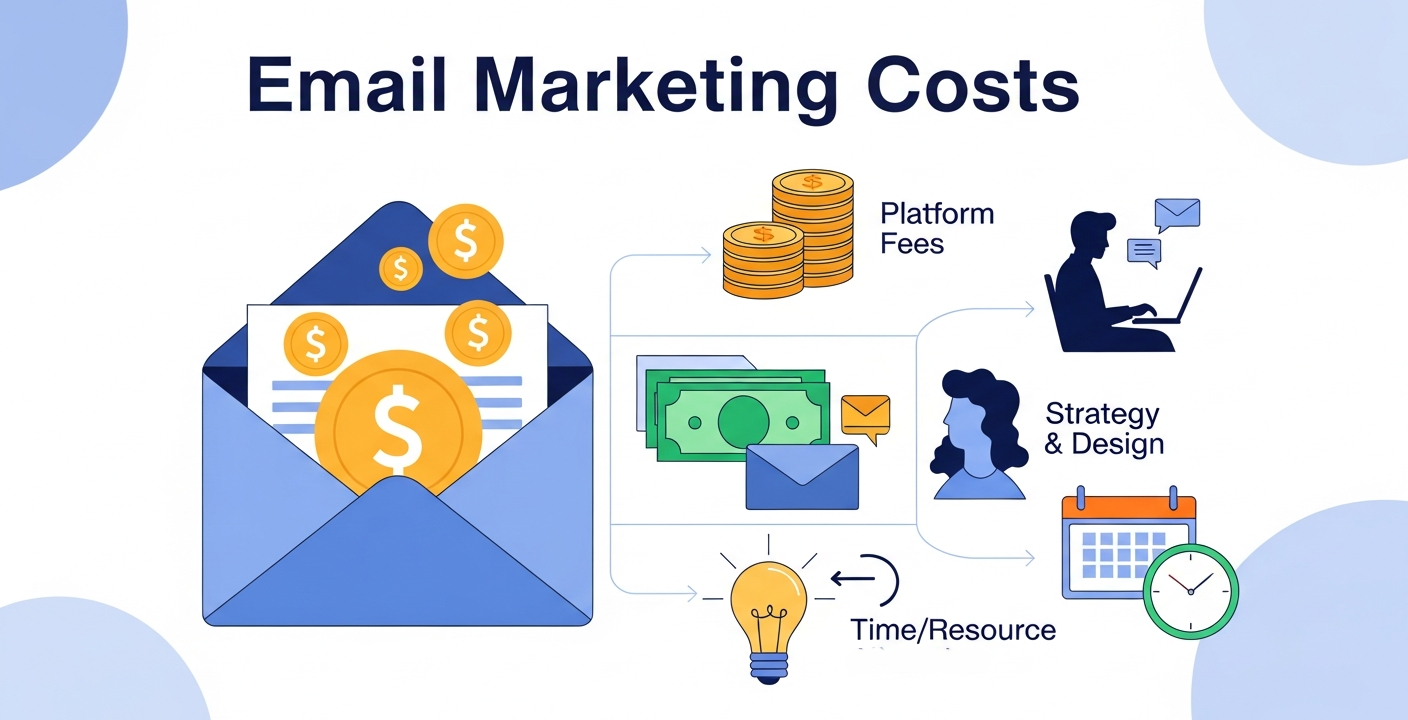
Email marketing continues to dominate digital marketing strategies, delivering an average ROI of $36-42 for every dollar spent. But with countless platforms, pricing models, and hidden fees, determining the true cost can feel overwhelming for businesses of all sizes.
The reality is that email marketing costs vary dramatically—from $0 for basic free plans to thousands of dollars monthly for enterprise solutions. Your final investment depends on subscriber count, required features, and platform choice. This comprehensive guide breaks down everything you need to know about email marketing pricing to help you budget effectively and choose the right solution for your business.
Understanding Email Marketing Pricing Models
Most email marketing platforms use one of three primary pricing structures, each offering distinct advantages depending on your business needs.
Subscriber-Based Pricing
The most popular model charges based on your subscriber count. Platforms like Mailchimp, ConvertKit, and Constant Contact typically start around $10-20 monthly for up to 1,000 subscribers, then scale upward as your list grows.
For example, a business with 5,000 subscribers might pay $50-75 monthly, while one with 25,000 subscribers could expect costs of $200-400 per month. This model works well for growing businesses since costs scale naturally with audience size, making it predictable and manageable.
Email Volume Pricing
Some platforms charge based on the number of emails you send rather than subscribers. This approach benefits businesses with large lists but infrequent campaigns. SendGrid and Amazon SES use this model, often charging $0.10-0.30 per 1,000 emails sent.
This pricing structure suits businesses with seasonal campaigns or those who send newsletters monthly rather than weekly. However, it can become expensive for companies with frequent communication schedules.
Flat-Rate Pricing
A few platforms offer unlimited subscribers and sends for a fixed monthly fee. While less common, this model provides excellent value for businesses with massive lists or frequent campaigns. Companies like Moosend and some enterprise solutions use this approach.
Email Marketing Platform Costs by Business Size
Free Tier Options
Several platforms offer free plans with basic functionality:
- Mailchimp: Free up to 2,000 subscribers, 10,000 monthly sends
- Sender: Free up to 2,500 subscribers, 15,000 monthly emails
- MailerLite: Free up to 1,000 subscribers, 12,000 monthly emails
- Brevo (formerly Sendinblue): Free up to 300 daily emails
Free plans typically include basic templates, simple automation, and limited support. However, they often display the platform’s branding and lack advanced features like detailed analytics or A/B testing.
Small Business Plans ($20-100/month)
Most small businesses fall into this category, covering 1,000-10,000 subscribers. Features typically include:
- Professional templates and drag-and-drop editors
- Basic automation workflows
- A/B testing capabilities
- Email support
- Analytics and reporting
- Mobile optimization
Popular options include Mailchimp’s Essentials plan, ConvertKit’s Creator plan, and Constant Contact’s Email plan.
Mid-Market Solutions ($100-500/month)
Growing businesses with 10,000-50,000 subscribers often need more sophisticated features:
- Advanced segmentation and targeting
- Behavioral triggers and complex automation
- Landing page builders
- Phone support
- CRM integration capabilities
- Advanced analytics and reporting
Platforms like HubSpot, Pardot, and higher-tier plans from established providers dominate this space.
Enterprise Solutions ($500+/month)
Large organizations require robust platforms with enterprise-grade features:
- Custom integrations and API access
- Advanced analytics and reporting
- Dedicated account management
- White-label options
- Enhanced security features
- Custom domains and IP addresses
Enterprise solutions from Salesforce Marketing Cloud, Adobe Campaign, and similar platforms typically start at $1,000+ monthly.
Hidden Costs That Impact Your Budget
Beyond the monthly subscription, several additional expenses can significantly impact your email marketing budget.
Design and Development
Professional email templates or custom designs can cost $500-2,000 per template. Many businesses also invest in responsive design optimization to ensure emails display correctly across devices. Interactive elements like embedded videos or dynamic content require additional development investment.
Content Creation
Quality content drives email marketing success. Whether hiring freelance writers ($50-200 per email), designers ($100-500 per campaign), or dedicating internal resources, content creation represents a significant ongoing investment that many businesses underestimate.
Email Deliverability Tools
Maintaining a good sender reputation often requires additional tools. Services like Return Path or 250ok can cost $100-500 monthly but help ensure your emails reach inboxes rather than spam folders. These tools become essential as your list grows and deliverability becomes more challenging.
Integration Costs
Connecting your email platform with CRM systems, e-commerce platforms, or other tools might require paid integrations or custom development work. Some integrations cost $50-200 monthly, while custom development can reach thousands of dollars.
List Building and Lead Generation
Growing your subscriber list requires investment in lead magnets, landing pages, and potentially paid advertising. Budget $500-2,000 monthly for effective list growth strategies.
Cost-Saving Strategies for Email Marketing
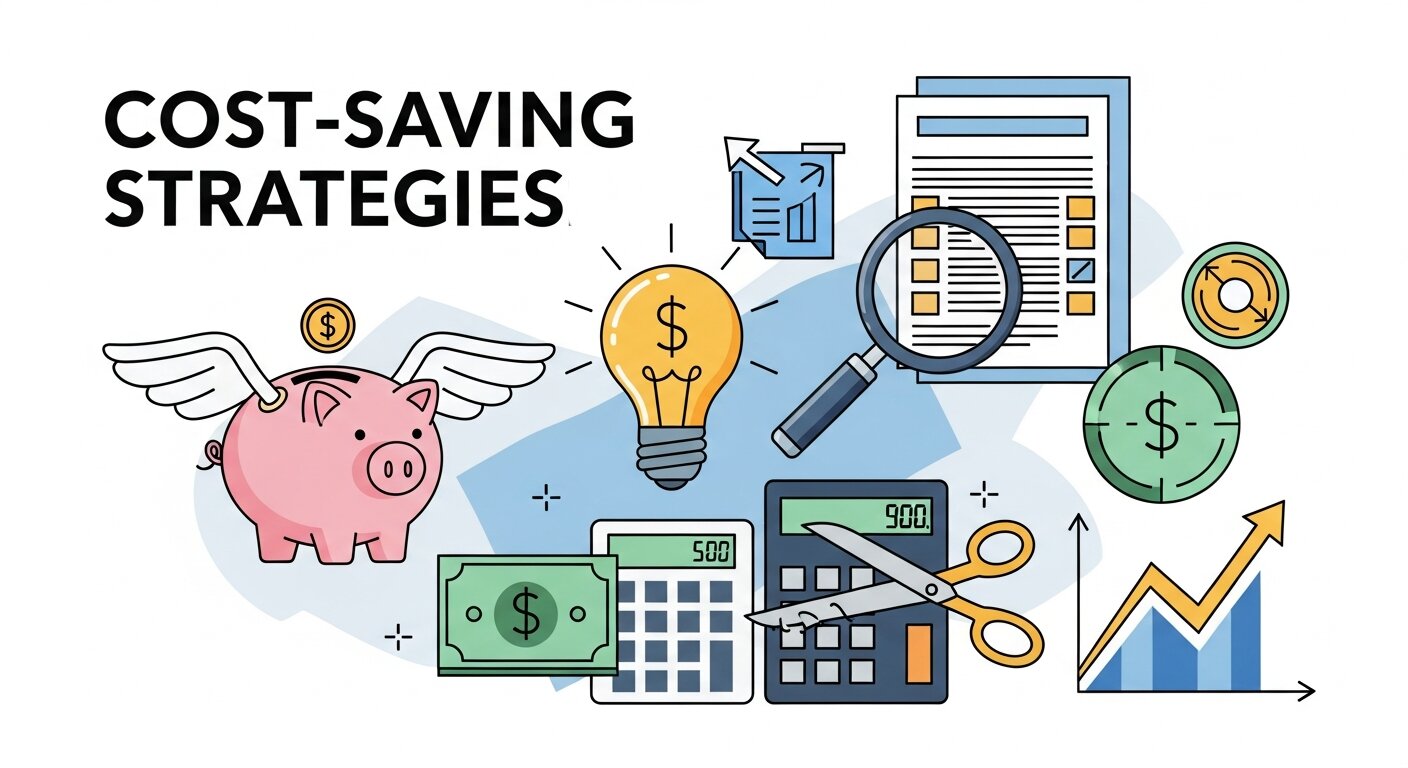
Smart businesses can reduce email marketing expenses without sacrificing effectiveness through strategic planning and optimization.
Regular List Cleaning
Removing inactive subscribers reduces costs while improving deliverability. Aim to clean your list quarterly, removing subscribers who haven’t engaged in 6-12 months. This practice can reduce your subscriber count by 20-30% while maintaining or improving performance.
Choosing the Right Plan
Many businesses overpay by selecting plans with unused features. Evaluate your actual needs versus nice-to-have features when choosing a platform. Start with basic plans and upgrade as your requirements grow.
Annual Billing Discounts
Most platforms offer 10-20% discounts for annual subscriptions. This approach also helps with budget planning and cash flow management. Some providers offer even larger discounts for multi-year commitments.
Automation Implementation
While automation features might increase monthly costs, they often reduce the need for manual work and can improve campaign performance significantly. Well-designed automation sequences can increase revenue while reducing ongoing labor costs.
ROI Considerations and Performance Metrics
Email marketing consistently delivers impressive returns, making it one of the most cost-effective marketing channels available. Understanding these metrics helps justify your investment and optimize spending.
Successful campaigns often see conversion rates of 2-5%, significantly higher than social media (0.5-1%) or display advertising (0.1-0.5%). Open rates typically range from 15-25%, while click-through rates average 2-5%.
The key is measuring the right metrics and optimizing based on performance data. Focus on revenue per email, customer lifetime value, and conversion rates rather than just open rates or subscriber counts.
Choosing the Right Platform for Your Budget
Selecting an email marketing platform shouldn’t be based solely on price. Consider these factors alongside cost:
Feature Requirements: List your must-have features versus nice-to-haves. Basic businesses might only need templates and scheduling, while e-commerce companies require product recommendations and purchase tracking.
Scalability: Choose a platform that can grow with your business. Switching platforms later can be expensive and time-consuming, often requiring list re-importing and template recreation.
Support Quality: Consider the level of support you’ll need. Some platforms offer 24/7 phone support, while others provide email-only assistance. Factor this into your decision if you’re not technically inclined.
Integration Capabilities: Ensure your chosen platform integrates with your existing tools and workflows. Poor integration can create additional costs and workflow complications.
Personalization for Higher ROI
Modern email campaigns perform best when messages feel tailored rather than generic. Businesses should segment subscribers based on behavior, purchase history, demographics, and engagement levels. Using Email Personalization Strategies, marketers can dynamically insert product recommendations, location-based offers, or content aligned with previous interactions. Personalized subject lines and send-time optimization further increase open and click-through rates. Beyond improving engagement, personalization strengthens brand loyalty and customer lifetime value. When subscribers consistently receive relevant content, they are more likely to convert and remain active. Investing in segmentation tools and automation workflows ensures your campaigns deliver meaningful experiences that translate into measurable revenue growth.
Accessibility and Inclusive Email Design
Creating campaigns that everyone can access is both a legal consideration and a smart marketing decision. Making Email Marketing Accessible ensures that subscribers with visual, cognitive, or physical impairments can engage with your content effectively. This includes using readable fonts, proper color contrast, alt text for images, and clear call-to-action buttons. Structuring emails with logical headings and mobile-friendly layouts improves usability for all readers. Accessibility also enhances deliverability and user satisfaction, as clean coding practices reduce formatting issues across devices. By prioritizing inclusivity, businesses expand their audience reach and demonstrate social responsibility while improving overall campaign performance.
Leveraging Analytics for Smarter Campaign Decisions
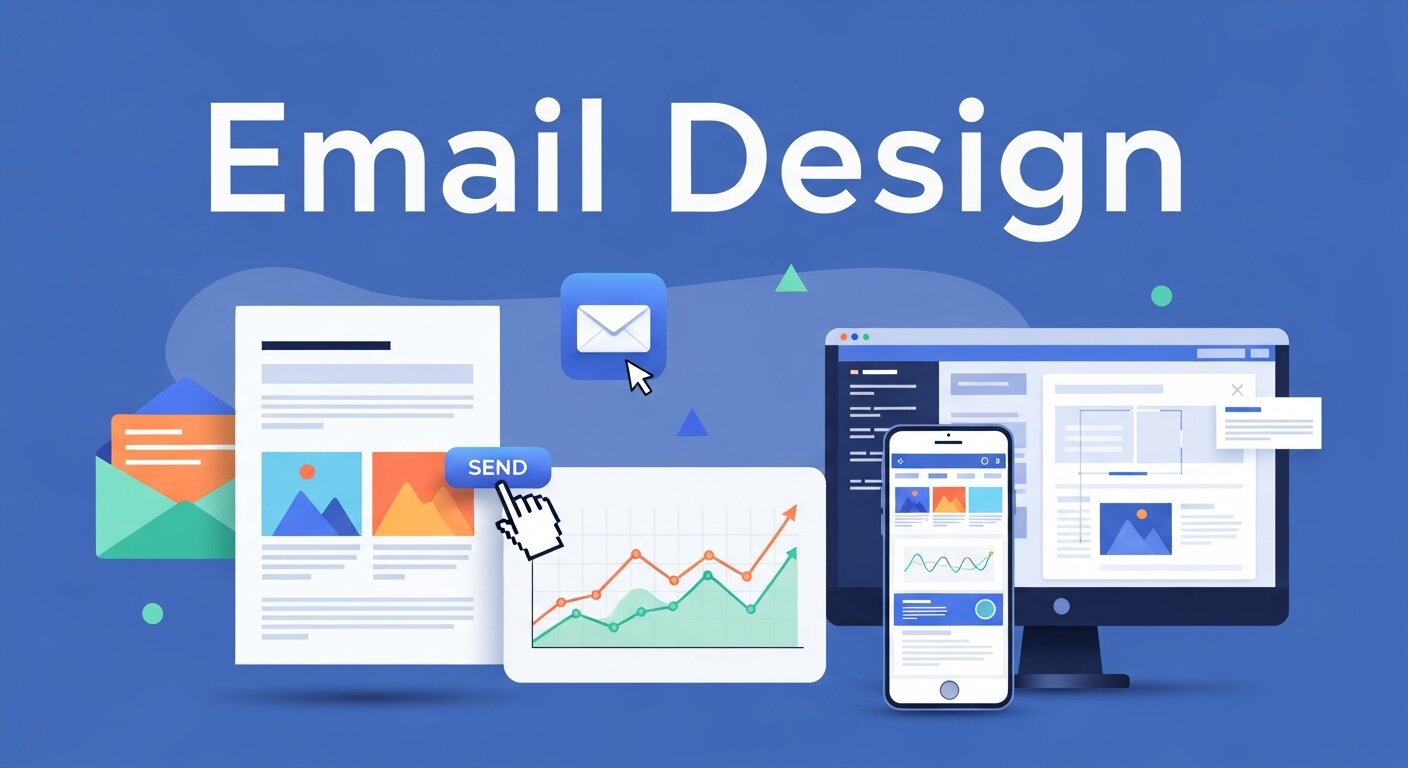
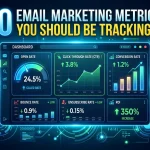
Data-driven decision-making separates average campaigns from high-performing ones. Monitoring Email Marketing Data, such as open rates, click-through rates, bounce rates, and revenue per subscriber, allows marketers to refine their approach continuously. Analyzing subscriber behavior helps identify which content formats, subject lines, and offers resonate most. A/B testing plays a crucial role in validating improvements before scaling campaigns. Beyond surface-level metrics, tracking customer lifetime value and segmentation performance provides deeper insights into profitability. Consistent performance reviews ensure your email strategy evolves alongside audience preferences, helping maximize return on investment while minimizing wasted marketing spend.
Automation and Lifecycle Marketing Optimization
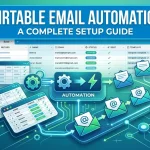
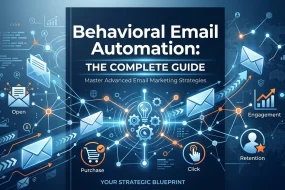
Automation transforms email marketing from manual outreach into a scalable revenue engine. Instead of sending one-off campaigns, businesses can design lifecycle sequences that guide subscribers from onboarding to repeat purchases. Welcome emails, abandoned cart reminders, re-engagement flows, and post-purchase follow-ups maintain consistent communication without additional workload. Properly structured automation increases efficiency while delivering timely, relevant messages. Behavioral triggers ensure emails are sent based on real actions rather than fixed schedules. Over time, optimized lifecycle marketing strengthens customer relationships, improves retention rates, and generates predictable revenue streams. Investing in automation tools ultimately enhances productivity while maintaining personalized communication at scale.
Planning Your Email Marketing Investment
Regardless of your budget size, email marketing can deliver strong results with the right approach. Start with a clear understanding of your goals, audience, and available resources.
Small businesses might begin with free platforms and basic campaigns, gradually investing in more sophisticated tools as they grow and prove ROI. Larger organizations should prioritize platforms with robust features and dedicated support from the start.
Remember that the cheapest option isn’t always the most cost-effective. A slightly more expensive platform with better deliverability and automation features often provides superior ROI through improved performance and reduced manual work.
The key is finding the right balance between cost, features, and performance for your specific situation. Take advantage of free trials to test platforms before committing, and don’t hesitate to negotiate with vendors for better pricing on annual contracts.
With careful planning and strategic implementation, email marketing can become one of your most valuable marketing investments, delivering consistent results while maintaining reasonable costs that scale with your business growth.
Frequently Asked Questions (FAQ)
1. How much does email marketing cost per month?
Email marketing costs can range from $0 on free plans to $500+ per month for advanced or enterprise solutions. Most small businesses spend between $20 and $100 monthly, depending on subscriber count and required features. Pricing typically increases as your email list grows or when you need advanced automation and analytics tools.
2. What factors affect email marketing pricing?
Several factors influence pricing, including subscriber count, email sending volume, automation capabilities, integrations, analytics features, and support level. Platforms like Mailchimp and ConvertKit primarily charge based on subscribers, while services such as Amazon SES use volume-based pricing models.
3. Are free email marketing plans worth it?
Free plans are ideal for startups or small businesses testing email marketing. They usually include limited subscribers, basic templates, and simple automation. However, they often display platform branding and restrict advanced features like A/B testing or detailed analytics. As your business grows, upgrading to a paid plan becomes necessary for better scalability and performance tracking.
4. Is email marketing cheaper than paid advertising?
In most cases, yes. Email marketing typically delivers a higher return on investment compared to paid social media or display ads. While paid advertising requires ongoing spending to generate traffic, email marketing allows you to repeatedly engage your existing audience at a relatively low cost, improving long-term profitability.
5. What hidden costs should I consider?
Beyond platform subscription fees, consider expenses such as email design, copywriting, list-building campaigns, integrations, and deliverability tools. Businesses may also invest in CRM connections or advanced analytics software. These additional costs can significantly impact your overall budget if not planned carefully.
6. How can I reduce email marketing expenses?
You can reduce costs by regularly cleaning inactive subscribers, choosing annual billing plans for discounts, starting with basic feature tiers, and implementing automation to reduce manual labor. Keeping your list engaged and optimized helps lower subscriber-based pricing while improving campaign performance.
7. When should I upgrade to a higher-tier plan?
Upgrade when your subscriber list grows beyond your current limit, when you need advanced automation or segmentation, or when your business requires deeper analytics and CRM integrations. If your email campaigns are generating strong ROI, investing in more robust tools can further scale your results efficiently.
8. Is enterprise email marketing worth the investment?
For large businesses with complex workflows, enterprise solutions can be highly valuable. They offer advanced security, dedicated support, custom integrations, and in-depth reporting. Although more expensive, the enhanced capabilities often justify the cost through improved efficiency, deliverability, and revenue growth.


I'm Email Marketer who crafts targeted campaigns that drive engagement, nurture leads, and boost conversions. With a passion for creating personalized email strategies.









No Comments