


In today’s digital landscape, email marketing automation has emerged as a game-changing approach for brands seeking to deliver personalized messaging at scale while maximizing return on investment. With the typical professional inbox receiving well over 120 messages per day, marketers need more than generic blasts to capture attention. This year (2026), leveraging intelligent workflows and data-driven triggers is no longer optional—it’s a strategic imperative.
This article offers a deep dive into the core principles of next-generation email marketing automation, illustrating how dynamic personalization, predictive analytics, and real-time segmentation can transform your campaigns. We’ll examine the essential building blocks of a robust automation workflow, explore leading platforms that power sophisticated campaigns, and highlight actionable tactics for crafting compelling journeys that convert. Along the way, we’ll reference insights from authoritative sources such as the Pew Research Center (https://www.pewresearch.org) and the National Institute of Standards and Technology (https://www.nist.gov) to ground our recommendations in proven research.
Whether you’re embarking on your first automated sequence or refining a mature program, this guide will equip you with practical strategies for boosting engagement, enhancing deliverability, and driving revenue growth. By the end, you’ll have a clear roadmap for deploying next-gen email marketing automation that resonates with subscribers, nurtures prospects intelligently, and yields measurable ROI.
The Importance of Automation in Email Marketing
As inboxes become increasingly crowded, the ability to cut through noise hinges on relevance and timing. Email marketing automation makes it possible to send the right message to the right person at precisely the right moment. Today, forward-thinking teams rely on automation to achieve three core benefits:
Scale Personalized Messaging
Manual personalization stalls once subscriber counts swell. Automation platforms allow marketers to dynamically insert names, past purchase details, and content preferences into each email. By configuring templates with dynamic content blocks, teams can deliver individualized product recommendations or tailor subject lines based on browsing behavior—all without repetitive manual edits.
Optimize Efficiency
Setting up automated workflows frees your team from routine tasks. Triggers such as form submissions, website activity, or cart abandonment can initiate complex sequences automatically. This means less time spent on manual sends and more time for strategy, creative development, and cross-channel alignment.
Enhance Campaign Performance
Automation tools often include integrated A/B testing and predictive analytics. By testing subject lines, send times, and content variations, you can refine each email based on real engagement data. Predictive send-time optimization then schedules emails at optimal moments for each subscriber, further boosting open and click-through rates.
In today’s environment, brands that overlook email marketing automation risk falling behind. Employing automation not only elevates user experience but also maximizes ROI—often generating an average return of $36 for every dollar spent, according to industry benchmarks.
Building Effective Automation Workflows

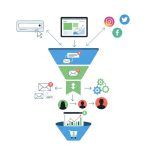
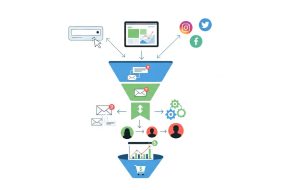
Creating a powerful workflow begins with mapping out the customer journey and identifying key moments that warrant automated outreach. A typical workflow consists of several interconnected stages:
Define Triggers and Goals
Start by identifying user actions that signal intent or interest—such as subscribing to a newsletter, downloading a whitepaper, or abandoning a cart. Assign clear goals for each workflow, whether it’s lead nurturing, cross-sell upsell, or re-engagement.
Segment Your Audience
Effective segmentation ensures your automated messages land in front of the right recipients. Group subscribers by demographics, purchase history, behavioral scores, or lifecycle stage. Advanced platforms allow real-time segmentation, dynamically updating lists as subscribers interact with emails or your website.
Create Personalized Content
Within the workflow, use dynamic content modules to tailor messages. Incorporate product recommendations driven by collaborative filtering, user behavior, or inventory levels. Embed countdown timers for limited-time offers to drive urgency, and ensure every email references the subscriber’s name or preferences where possible.
Establish Timing and Cadence
Determine optimal intervals between each step in the sequence. Too rapid a cadence can overwhelm, while too slow can lose momentum. Leverage send-time optimization features to schedule emails based on each recipient’s past engagement patterns.
Monitor and Refine
Continuously track key metrics—delivery rates, opens, clicks, and conversions. Use UTM parameters to attribute revenue accurately and identify drop-off points in your sequence. Regularly review performance data to tweak subject lines, content variants, and workflow logic for ongoing improvement.
By thoughtfully designing each element of your automation workflow, you ensure that every message serves a strategic purpose—and contributes to stronger customer relationships and higher revenue.
Choosing the Right Automation Tools
Selecting an email marketing automation platform that aligns with your needs is critical for long-term success. When evaluating solutions, consider these core capabilities:
Advanced Segmentation and Targeting
Look for tools that support real-time behavioral segmentation, allowing you to create dynamic audiences based on click activity, site visits, or CRM data. Platforms with robust APIs make it easier to sync customer data from sales, support, and analytics systems.
Intuitive Workflow Builders
A visual, drag-and-drop workflow editor simplifies the design of complex journeys. Seek solutions that offer prebuilt templates for common use cases—welcome series, cart abandonment, and re-engagement—so your team can launch campaigns quickly.
Predictive Analytics and AI
Modern platforms leverage machine learning to forecast engagement and optimize send times. Features like AI-driven subject line suggestions and predictive content recommendations can significantly boost open and click-through rates.
Deliverability and Compliance
Choose a provider with strong deliverability infrastructure and strict adherence to regulations such as GDPR, CCPA, and CAN-SPAM. Look for built-in list hygiene tools, authentication support (SPF, DKIM, DMARC), and transparent reporting on bounce rates.
Scalability and Integration
Your email program will grow over time, so ensure the platform can scale with increasing subscriber volumes and campaign complexity. Integration capabilities with e-commerce, CRM, and analytics systems are essential for seamless data flow.
Popular solutions that meet these criteria currently include MailGenius AI, FlowMailer Pro, and SegmentSync 360. Each offers unique strengths in AI optimization, workflow flexibility, and real-time personalization—empowering marketers to execute advanced email marketing automation strategies with confidence.
Strategies for Engaging Automation Campaigns

Automation does not mean robotic or impersonal. By incorporating creative tactics, you can humanize each interaction and foster genuine connections. Consider these proven methods:
Storytelling Sequences
Develop a narrative arc across a series of emails that guides subscribers through a journey—introducing your brand, sharing customer success stories, addressing objections, and presenting a call to action. A cohesive storyline builds anticipation and deepens emotional engagement.
Interactive Content
Embedding polls, surveys, or AMP-enabled carousels within emails encourages subscribers to engage directly in their inbox. Interactive elements can double as segmentation triggers, feeding preference data back into your system for future personalization.
User-Generated Showcase
Feature real customer reviews, photos, or social media posts to provide social proof. Dynamically surface content based on purchase history or demographic data to make each email feel uniquely relevant.
Countdown and Urgency Tactics
Incorporate live countdown timers for flash sales or event registrations. Time-sensitive visuals create a sense of urgency that compels subscribers to act promptly, boosting click-through and conversion rates.
Milestone and Anniversary Emails
Celebrate subscriber birthdays, account anniversaries, or loyalty program milestones with personalized offers. These touchpoints reinforce brand affinity and reward long-term engagement.
By combining creative storytelling with data-driven triggers, you’ll craft automation campaigns that resonate on a human level—turning subscribers into advocates and driving sustained revenue growth.
Advanced Segmentation and Personalization
To get the utmost value from email marketing automation, move beyond basic demographic splits and embrace sophisticated segmentation techniques:
Predictive Behavioral Scoring
Leverage machine learning models to assign engagement likelihood scores to each subscriber. Use these scores to prioritize high-value leads for targeted campaigns or to identify churn risks for re-engagement sequences.
Lifecycle Stage Targeting
Differentiate messaging based on where a subscriber falls in the customer lifecycle—prospect, new customer, repeat buyer, or dormant user. Tailor content and incentives to match their current needs and motivations.
Preference Centers
Empower subscribers to self-select topics, content formats, and send frequencies via a preference center. This improves relevancy, reduces unsubscribes, and maintains a healthy sender reputation.
Location-Aware Content
Adapt email content based on recipient locale—incorporating weather-based recommendations, local event invitations, or timezone-specific promotions. Hyper-local personalization fosters stronger connections.
Dynamic Product Recommendations
Integrate with your e-commerce platform to serve real-time product suggestions driven by collaborative filtering and inventory data. Tailored recommendations can increase average order value and encourage repeat purchases.
By combining deep segmentation with real-time personalization, your email marketing automation program will deliver precisely targeted messages at scale—enhancing subscriber satisfaction, boosting engagement metrics, and driving revenue growth.
FAQ
What is email marketing automation?
Email marketing automation refers to the process of using software to send personalized, timed email messages to subscribers based on predefined triggers and behaviors. It enables marketers to reach audiences at scale with relevant content without manual intervention.
How do I choose the right automation platform?
Evaluate platforms based on core capabilities such as segmentation, workflow builders, predictive analytics, deliverability infrastructure, compliance tools, and integration options. Conduct trials or demos to assess user experience and scalability.
What metrics should I track to gauge success?
Key metrics include open rate, click-through rate, conversion rate, unsubscribe rate, deliverability rate, and revenue per email. Using UTM parameters and attribution tracking helps tie email performance directly to revenue goals.
How can I improve email deliverability?
Maintain a clean subscriber list, authenticate your domain with SPF, DKIM, and DMARC, monitor bounce rates, and adhere to compliance regulations (GDPR, CAN-SPAM). Regularly audit engagement to remove inactive subscribers.
Conclusion
Email marketing automation stands at the forefront of modern digital marketing strategies. In today’s fast-paced landscape, harnessing the power of dynamic workflows, predictive analytics, and advanced segmentation is essential for brands aiming to maximize ROI and foster lasting customer relationships. By selecting the right tools, designing thoughtful workflows, and incorporating creative elements such as storytelling and interactive content, you can ensure each message resonates and delivers value.
As you refine your approach this year (2026), remember to maintain compliance with data regulations, prioritize deliverability best practices, and continuously test and optimize every component of your campaigns. With the strategic application of next-generation email marketing automation, your organization can cut through the inbox clutter, engage subscribers more deeply, and achieve measurable growth. Start planning your automated strategies today, and watch your email ROI soar.


I'm Email Marketer who crafts targeted campaigns that drive engagement, nurture leads, and boost conversions. With a passion for creating personalized email strategies.







No Comments