


Mid-cycle marketing emails represent a strategic touchpoint that bridges the gap between initial engagement and final conversion. These targeted messages reach subscribers at crucial moments when they need additional motivation, information, or incentives to complete their customer journey.
Understanding mid-cycle emails can transform your email marketing strategy from a simple broadcast approach to a sophisticated system that nurtures leads and recovers potentially lost opportunities. This guide explores how these emails work when to deploy them, and how to maximize their effectiveness for better campaign results.
Understanding Mid-Cycle Marketing Emails
A mid-cycle marketing email is a strategically timed message sent to subscribers who have started but not completed a specific action or journey. Unlike welcome emails that greet new subscribers or promotional emails that announce sales, mid-cycle emails target people caught between engagement and conversion.
These emails serve multiple purposes: they re-engage hesitant prospects, provide additional value or information, address common objections, and create urgency around incomplete actions. The timing and content of these messages can significantly impact your overall email marketing performance.
Mid-cycle emails work because they reach people when they’re most receptive to additional information or motivation. Someone who abandons a shopping cart, downloads a lead magnet but doesn’t schedule a demo, or starts a trial but hasn’t activated key features represents a warm lead who needs targeted nurturing.
Types of Mid-Cycle Marketing Emails
Different scenarios call for different types of mid-cycle emails, each designed to address specific user behaviors and motivations.
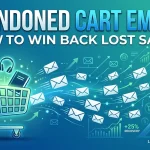
Abandoned Cart Recovery Emails
These emails target shoppers who added items to their cart but left without purchasing. Effective abandoned cart emails remind customers what they left behind, address potential concerns, and provide incentives to complete the purchase.
The most successful abandoned cart sequences include multiple touchpoints: an immediate reminder within a few hours, a follow-up email with additional product information or reviews, and a final message offering a limited-time discount or free shipping.
Browse Abandonment Emails
When visitors view products or services but don’t add anything to their cart, browse abandonment emails can re-engage them. These messages showcase recently viewed items, suggest related products, or highlight key benefits that might motivate purchase.
Browse abandonment emails often perform better than general promotional emails because they reference specific products the recipient already showed interest in, making the content highly relevant and personalized.
Lead Nurturing Sequences
For B2B companies or high-consideration purchases, mid-cycle emails might nurture leads who downloaded content but haven’t requested a demo or consultation. These emails provide additional value through case studies, industry insights, or educational content that builds trust and demonstrates expertise.
Effective lead nurturing sequences gradually increase engagement by providing increasingly valuable content while incorporating subtle calls-to-action that encourage the next step in the buying process.
Trial Activation Emails
Software companies often use mid-cycle emails to engage trial users who signed up but haven’t fully activated their accounts. These emails provide onboarding guidance, highlight key features, and demonstrate value to encourage continued engagement.
Trial activation emails work best when they’re triggered by specific user behaviors (or lack thereof) and provide clear, actionable steps to help users experience the product’s core value.
When to Send Mid-Cycle Emails
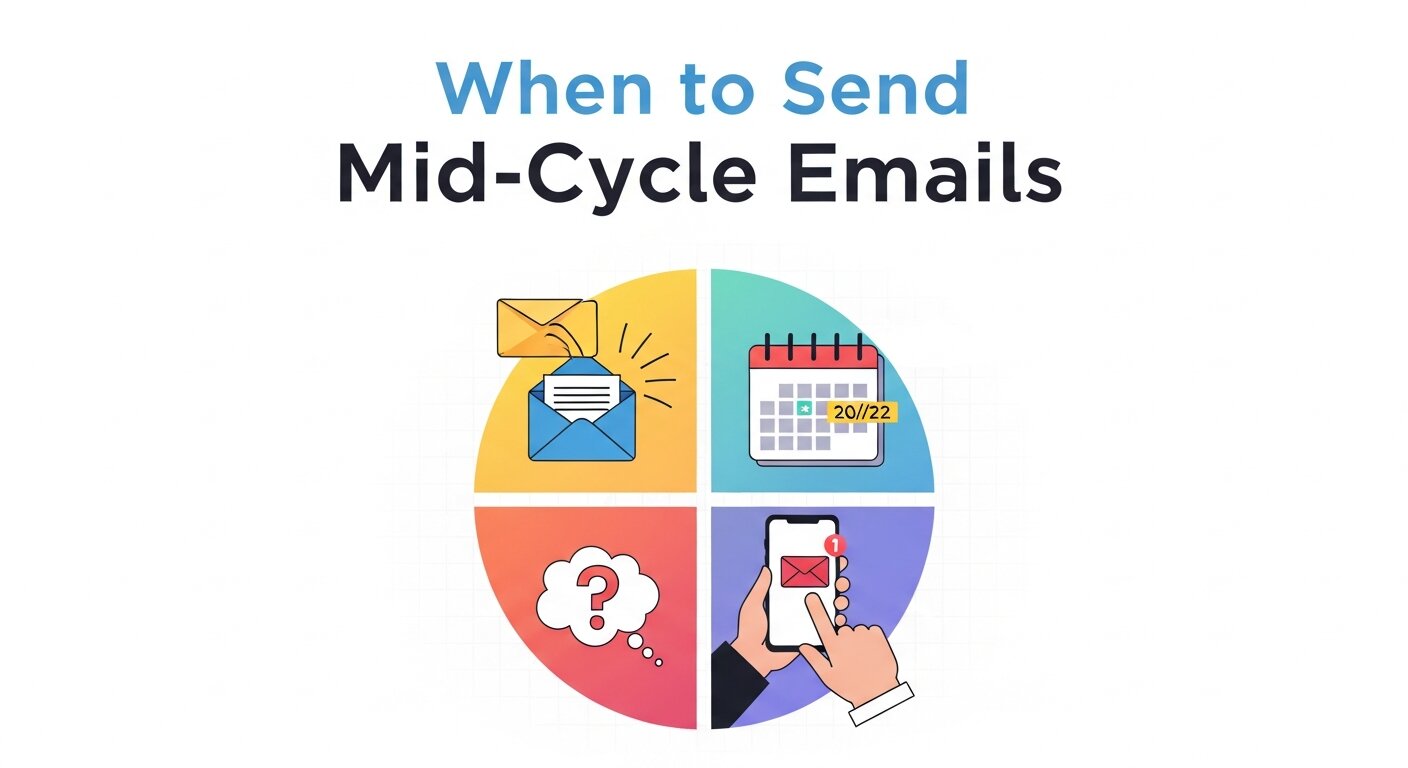 Timing is crucial for mid-cycle email success. Send them too early, and you risk annoying recipients who are still considering their options. Wait too long, and the opportunity may pass.
Optimal Timing Strategies
For abandoned cart emails, the first message should typically go out within 1-4 hours after abandonment, when the shopping experience is still fresh in the customer’s mind. Follow-up emails work well at 24 hours and 72 hours, with each message offering different value or incentives.
Browse abandonment emails perform best when sent within 24 hours of the browsing session, as product interest tends to decay quickly without reinforcement.
Lead nurturing emails require longer timelines, often spanning weeks or months. The key is maintaining consistent communication without overwhelming recipients, typically spacing messages 3-7 days apart depending on your industry and sales cycle length.
Behavioral Triggers
The most effective mid-cycle emails respond to specific user behaviors rather than arbitrary timelines. Set up triggers based on actions like:
- Time spent on specific pages
- Number of items viewed or added to the cart
- Email opens without clicks
- Partial form completions
- Specific page visits after email clicks
These behavioral triggers ensure your mid-cycle emails reach people when they’re most likely to engage and convert.
Crafting Effective Mid-Cycle Email Content
 Mid-cycle emails require a different approach than standard marketing messages. They need to acknowledge where recipients are in their journey while providing relevant value and clear next steps.
Subject Line Strategies
Your subject line should reference the specific action or interest that triggered the email. “Forgot something?” works well for abandoned cart emails, while “Questions about [product name]?” might work for browse abandonment.
Avoid overly salesy language in the mid-cycle email subject lines. Instead, focus on helpfulness, curiosity, or gentle reminders that feel natural rather than pushy.
Content Structure and Messaging
Start by acknowledging the recipient’s previous action or interest. This creates immediate relevance and shows that your email is personalized rather than generic.
Address common objections or concerns that might prevent completion. For abandoned cart emails, this might include shipping costs, return policies, or product specifications. For lead nurturing emails, focus on addressing industry challenges or showcasing success stories.
Include clear, prominent calls to action that make it easy for recipients to complete their intended action. Reduce friction by linking directly to their cart, the specific product they viewed, or the next logical step in your conversion process.
Personalization and Relevance
Mid-cycle emails perform best when they feel like natural continuations of the recipient’s previous experience. Include product images, names, or details that connect directly to their previous actions.
Use dynamic content to show recently viewed items, progress indicators for multi-step processes, or personalized recommendations based on browsing behavior. This level of personalization significantly improves engagement and conversion rates.
Measuring Mid-Cycle Email Performance
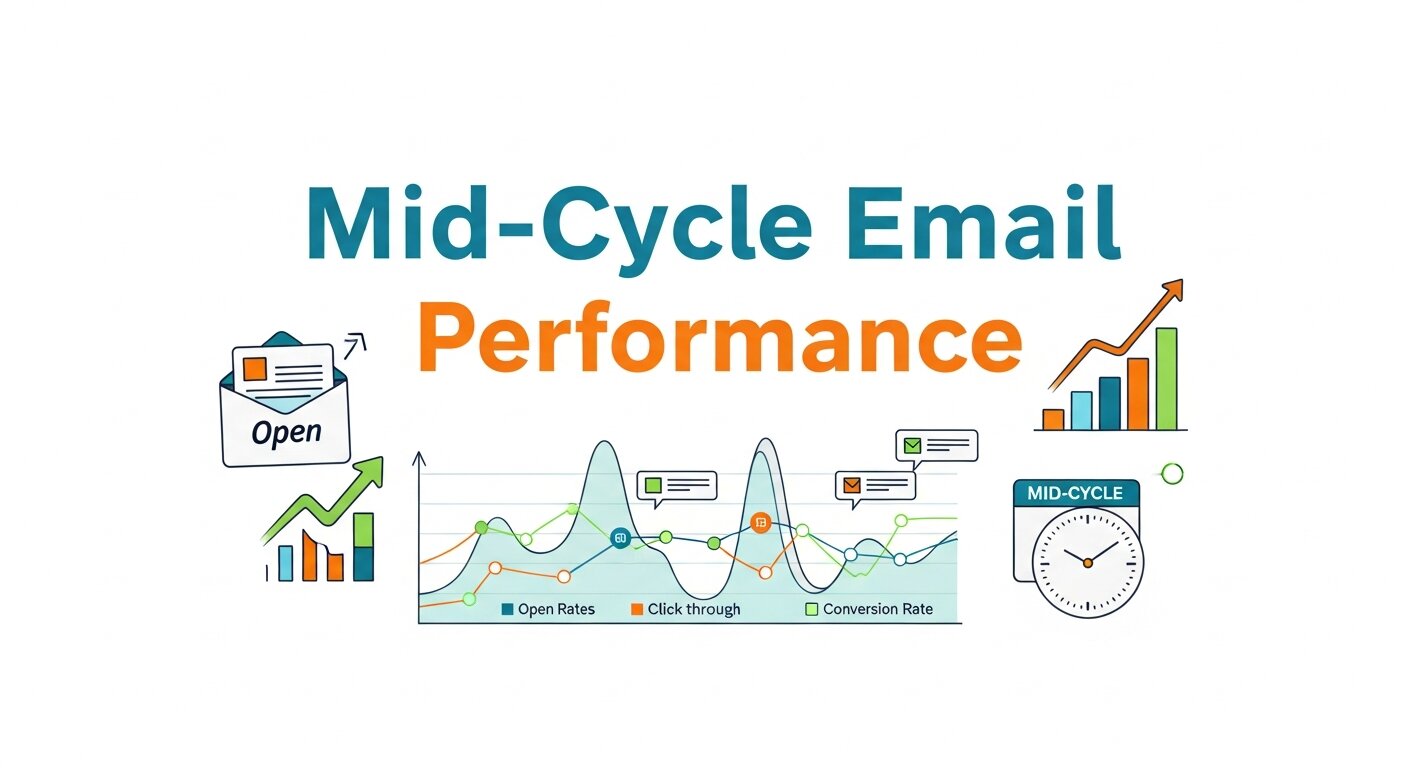 Success metrics for mid-cycle emails differ from standard email marketing campaigns because they focus on recovering potentially lost opportunities rather than generating new interest.
Key Performance Indicators
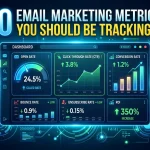
Open rates for mid-cycle emails often exceed general email marketing benchmarks because they target engaged users who recently interacted with your brand. A good open rate for abandoned cart emails typically ranges from 25-45%, significantly higher than general promotional emails.
Click-through rates matter more than open rates for mid-cycle emails because they indicate genuine re-engagement with your brand. Effective abandoned cart emails achieve click-through rates of 10-15%, while browsing abandonment emails typically see 2-5%.
Conversion rates provide the most important metric for mid-cycle emails. A successful abandoned cart email sequence might recover 10-20% of abandoned carts, while lead nurturing sequences might achieve 5-10% conversion rates to the next stage of the sales funnel.
Revenue Attribution
Track the revenue directly attributable to mid-cycle emails to understand their true business impact. This includes immediate conversions from email clicks as well as conversions that happen within a reasonable attribution window (typically 7-30 days).
Consider the lifetime value of customers acquired through mid-cycle emails, as these customers often show higher engagement and retention rates than those acquired through other channels.
Advanced Mid-Cycle Email Strategies
Once you’ve mastered basic mid-cycle emails, several advanced strategies can further improve performance.
Cross-Channel Integration
Combine mid-cycle emails with other marketing channels for maximum impact. Retargeting ads that mirror your abandoned cart emails, SMS messages for time-sensitive offers, or social media content that reinforces your email messaging can create a cohesive experience that improves conversion rates.
Dynamic Content and AI
Use machine learning to optimize send times, subject lines, and content for individual recipients. AI can identify patterns in user behavior that indicate the best time to send mid-cycle emails or predict which type of content will most likely drive conversions.
Segmentation and Personalization
Segment your mid-cycle emails based on user behavior, demographics, or purchase history. First-time visitors might need different messaging than returning customers, and high-value cart abandoners might warrant different incentives than low-value ones.
Building Your Mid-Cycle Email Strategy
Mid-cycle marketing emails represent a powerful opportunity to recover lost revenue and nurture engaged prospects through targeted, timely messaging. Success depends on understanding your audience’s journey, crafting relevant content, and continuously optimizing based on performance data.
Start by identifying the key drop-off points in your customer journey, then develop targeted email sequences that address the specific needs and concerns of users at each stage. Focus on providing value and reducing friction rather than simply pushing for immediate conversions.
Remember that mid-cycle emails work best as part of a comprehensive email marketing strategy that includes welcome sequences, regular newsletters, and promotional campaigns. They fill crucial gaps in your communication timeline and help maximize the value of your existing traffic and leads.
Optimizing Mid-Cycle Emails with Advanced Personalization
Mid-cycle emails become significantly more effective when you tailor content based on user behavior, preferences, and engagement history. Instead of sending generic reminders, leverage data such as browsing activity, past purchases, and on-site interactions to craft relevant follow-ups. Implementing strong Email Personalization Strategies allows you to dynamically adjust subject lines, product recommendations, and calls-to-action for each subscriber. This level of customization increases trust and makes the message feel like a helpful continuation of the user’s journey rather than a sales push. The more aligned your message is with the recipient’s intent, the higher the chances of re-engagement and conversion.
Driving Business Growth Through Revenue-Focused Automation
Mid-cycle emails should not only aim for engagement but also directly contribute to measurable business outcomes. By aligning your automation workflows with sales goals, you can track how each sequence influences Email Marketing Revenue. For example, abandoned cart emails can include tiered incentives based on cart value, while trial activation emails can highlight premium features that encourage upgrades. Integrating revenue tracking with behavioral triggers helps you identify which campaigns produce the highest return. Over time, refining these workflows ensures that your mid-cycle strategy consistently supports growth, improves customer lifetime value, and maximizes overall marketing performance.
Frequently Asked Questions (FAQ)
1. What is a mid-cycle marketing email?
A mid-cycle marketing email is a strategically timed message sent to users who have started but not completed a specific action, such as making a purchase, booking a demo, or activating a trial. It targets people who are already engaged but need an extra push to move forward.
2. How are mid-cycle emails different from promotional emails?
Promotional emails are typically broad campaigns sent to a large segment of your list to announce offers or updates. Mid-cycle emails are behavior-based and triggered by specific user actions, making them more personalized and conversion-focused.
3. When should I send a mid-cycle email?
Timing depends on the action. Abandoned cart emails are often sent within 1–4 hours after abandonment, while browse abandonment emails usually perform best within 24 hours. For longer sales cycles, nurturing emails may be spaced several days apart.
4. What types of businesses benefit most from mid-cycle emails?
E-commerce businesses, SaaS companies, B2B service providers, and subscription-based businesses benefit significantly. Any business with a multi-step customer journey can use mid-cycle emails to reduce drop-offs and increase conversions.
5. What should I include in a mid-cycle email?
Effective mid-cycle emails acknowledge the user’s previous action, address potential objections, provide additional value, and include a clear call-to-action. Personalization, product details, testimonials, or limited-time incentives can further improve results.
6. How many mid-cycle emails should I send?
A sequence of 2–3 emails is common, especially for abandoned cart campaigns. The first email acts as a reminder, the second adds value or information, and the third may include urgency or an incentive. Avoid over-sending, as it can reduce engagement.
7. What metrics should I track for mid-cycle emails?
Focus on open rates, click-through rates, and most importantly, conversion rates. Revenue recovery and customer lifetime value are also key indicators of long-term success.
8. Can mid-cycle emails feel intrusive?
They can if not handled properly. Keep the tone helpful rather than pushy, avoid excessive frequency, and ensure your messaging feels supportive and relevant to the user’s previous interaction.
9. Should mid-cycle emails be automated?
Yes, automation is essential. Behavioral triggers ensure emails are sent at the right moment, increasing relevance and improving conversion rates without requiring manual intervention.
10. How do mid-cycle emails fit into a broader strategy?
Mid-cycle emails complement welcome sequences, newsletters, and promotional campaigns. They fill gaps in the customer journey, recover lost opportunities, and help guide prospects smoothly from initial interest to final conversion.


I'm Email Marketer who crafts targeted campaigns that drive engagement, nurture leads, and boost conversions. With a passion for creating personalized email strategies.





No Comments