

Ecommerce email marketing is the practice of sending targeted, promotional, and transactional emails to an online store’s subscribers. Successful ecommerce email marketing generates revenue by building lists, deploying automated workflows like abandoned cart sequences, and optimizing conversions to turn casual subscribers into loyal, repeat customers.
Email remains a highly reliable channel for online stores to communicate directly with buyers. Unlike social media platforms where algorithms dictate visibility, your email list belongs entirely to your business. When retail brands send targeted messages directly to a buyer’s inbox, those brands control the narrative, the timing, and the offer.
Executing successful ecommerce email marketing requires more than simply blasting promotional flyers to a list of unengaged contacts. Online retailers must segment their audiences, personalize content, and rely on data to dictate sending schedules. Proper execution builds trust, encourages repeat purchases, and significantly lowers customer acquisition costs over time.
Mastering email marketing for online stores involves understanding the customer journey from initial discovery to post-purchase retention. Store owners need to deploy a mix of automated workflows and timely manual broadcasts to capture attention. By implementing the right tactics, online retailers can create a sustainable, high-converting revenue stream that operates around the clock.
What are the best ecommerce email marketing strategies?
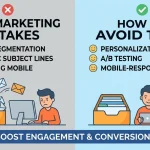
Building a solid foundation for ecommerce email marketing starts with understanding user behavior. Online retailers should segment their subscriber lists based on purchase history, browsing habits, and demographic data. Segmenting allows marketing teams to send highly relevant content to specific groups, which directly increases open rates and click-through rates. Choose behavioral segmentation if maximizing conversion rates matters more than reaching a broad audience quickly.
Personalization extends beyond inserting a subscriber’s first name into the subject line. Retail brands should recommend products based on past purchases or highlight items a user left in their shopping cart. By anticipating customer needs, online stores position themselves as helpful resources rather than aggressive salespeople.
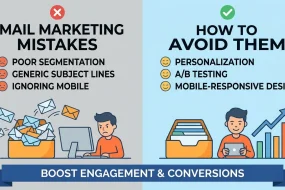
Testing is another critical strategy. Marketing teams must consistently conduct A/B tests on subject lines, email copy, call-to-action buttons, and send times. Reviewing the performance data from these tests reveals exact preferences among specific subscriber segments, allowing marketers to refine their approach continuously.
Businesses that understand email marketing made simple your complete guide are better positioned to build structured campaigns that convert consistently.
How do you build an ecommerce email list?
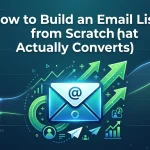
A robust subscriber list serves as the fuel for any ecommerce email marketing engine. Store owners typically capture email addresses by offering visitors a clear, immediate incentive in exchange for their contact information.
Pop-up forms are highly effective when timed correctly. Instead of displaying a pop-up the second a visitor lands on the homepage, trigger the form to appear after the user scrolls through 50 percent of the page or attempts to exit the site. Offer a tangible benefit, such as a 10 percent discount code, free shipping on the first order, or a downloadable styling guide.
Retailers can also integrate sign-up checkboxes directly into the checkout process. When buyers complete a purchase, providing an easy way for those buyers to opt into future communications ensures the store captures highly qualified leads. Additionally, hosting giveaways on social media platforms that require an email address for entry helps transfer followers from rented platforms to an owned email list.
To scale this effectively, strategies from how to build email lists for marketing provide proven techniques for attracting qualified subscribers rather than low-intent users.
What are the most effective ecommerce email automation campaigns?
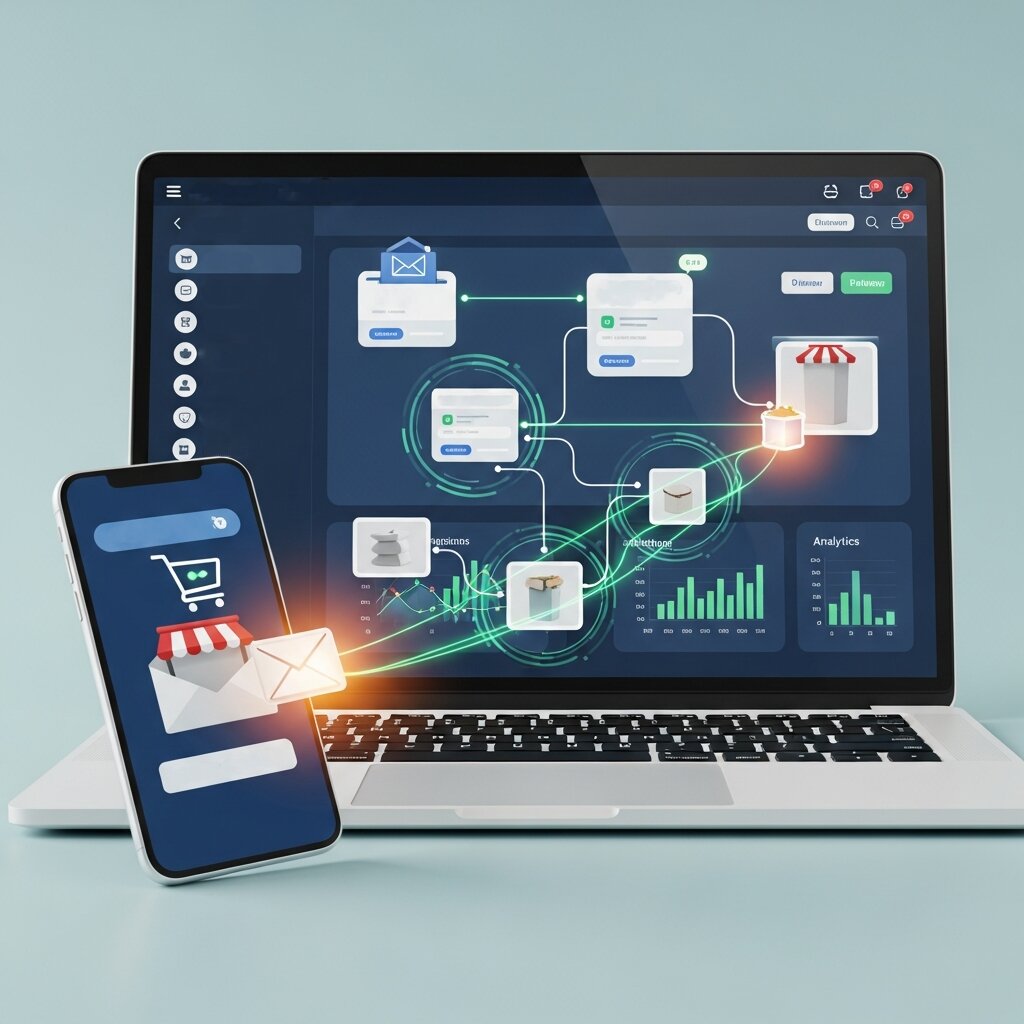
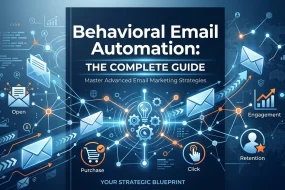
Automation allows online stores to generate revenue passively. Marketing teams set up these automated workflows once, and the email marketing platform triggers the messages automatically based on specific user actions.
Welcome series campaigns represent the first interaction a new subscriber has with a brand. This automated sequence should deliver the promised opt-in incentive, introduce the brand’s core values, and highlight top-selling products. A strong welcome series establishes the tone for the entire customer relationship.
Post-purchase sequences reassure buyers that their order is being processed and shipped. Beyond sending transactional receipts, retailers can use post-purchase emails to provide product care instructions, request reviews, and cross-sell complementary items.
How do abandoned cart email marketing campaigns work?
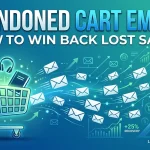
When a shopper adds items to their online cart but leaves the website without completing the purchase, an abandoned cart email workflow triggers automatically. These campaigns aim to recover lost revenue by reminding the shopper of the items left behind.
The first abandoned cart email should arrive within a few hours of the abandonment, serving as a gentle reminder. If the user ignores the first message, a second email sent 24 hours later can introduce a small incentive, such as free shipping, to encourage completion. Choose a tiered discount strategy if recovering high-value carts matters more than protecting profit margins on smaller orders.
Optimization strategies are closely tied to principles in does email marketing increase sales complete guide, which shows how even small recovery rates can significantly impact revenue.
What are customer retention email strategies for ecommerce?
Acquiring a new customer costs significantly more than retaining an existing one. Customer retention email strategies focus on keeping the brand top-of-mind long after the initial purchase.
Replenishment emails remind customers to reorder consumable products, such as skincare items or coffee beans, just before the customer is likely to run out. Win-back campaigns target inactive subscribers who have not made a purchase in several months, often offering a substantial discount to reactivate their buying habits. Loyalty program updates also keep active buyers engaged by showing them how close they are to unlocking a new reward tier.
How should online stores run product promotion email campaigns?
When launching new products or running seasonal sales, product promotion email campaigns drive immediate traffic to specific landing pages. Marketing teams should build anticipation prior to a launch by sending teaser emails that hint at upcoming releases.
During the actual promotion, use clear, high-quality product photography and concise copy. Highlight the specific benefits the product provides rather than just listing technical features. Create urgency by incorporating countdown timers for limited-time sales or displaying low-stock alerts for popular items. Ensure the call-to-action button stands out visually and links directly to the product page to reduce friction in the buying process.
What are creative ecommerce newsletter marketing ideas?
While promotional emails focus heavily on driving immediate sales, ecommerce newsletters focus on community building and brand storytelling. Newsletters provide value to subscribers without necessarily demanding a purchase.
Online retailers can share behind-the-scenes content detailing how products are manufactured or highlighting the team members who design them. User-generated content, such as photos of real customers using the products, builds social proof and encourages others to share their experiences. Educational content, like styling tips, recipes, or maintenance tutorials related to the store’s inventory, positions the brand as an industry authority.
How can you improve email conversion optimization for ecommerce?
Email conversion optimization focuses on turning a higher percentage of email readers into paying customers. This requires optimizing every element of the email for readability and action.
Mobile optimization is strictly necessary. The majority of consumers read emails on smartphones. Therefore, marketing teams must use responsive email templates, large fonts, and easily tappable buttons. If an email renders poorly on a mobile device, the subscriber will likely delete it immediately.
Clear, single-focus calls to action perform better than emails cluttered with dozens of links. If the goal of the email is to sell a specific pair of shoes, the entire email should guide the reader toward that single purchase button. Retailers should also minimize loading times by compressing image files before uploading them to the email marketing platform.
What are the top email marketing tools for ecommerce?
Selecting the right software determines the complexity and effectiveness of an online store’s marketing efforts. Email marketing platforms vary in features, integrations, and pricing structures.
Choose Klaviyo if deep integration with Shopify and advanced behavioral segmentation matter most to your business. Klaviyo pulls extensive data directly from ecommerce platforms, allowing marketers to build highly specific automated workflows.
Choose Mailchimp if you require a user-friendly interface and are just starting to build your store. Mailchimp offers drag-and-drop builders and basic automation that serve small businesses well.
Choose Omnisend if you want to combine email marketing with SMS campaigns seamlessly. Omnisend allows retailers to reach customers across multiple channels from a single dashboard.
Next steps for scaling your online store
Mastering ecommerce email marketing requires patience, consistent testing, and a deep understanding of your customer base. Start by auditing your current email setup. Ensure your welcome series is active, your abandoned cart emails are firing correctly, and your pop-up forms are capturing leads.
Focus on building a clean, engaged list rather than simply chasing subscriber volume. By continuously refining your segmentation, personalization, and automation strategies, your email list will evolve into your store’s most reliable revenue generator.
Frequently Asked Questions
What is the average ROI for ecommerce email marketing?
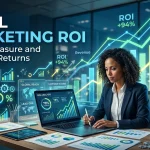
Email marketing consistently delivers a high return on investment. While exact figures vary by industry, research generally indicates that for every dollar spent on email marketing, businesses can expect an average return of $36 to $42. This high ROI makes email one of the most cost-effective marketing channels available to online retailers.
How often should an online store send promotional emails?
Most successful online stores send promotional emails one to three times per week. Sending too frequently causes high unsubscribe rates and inbox fatigue. Sending too infrequently causes subscribers to forget about the brand. Retailers should monitor their open and unsubscribe rates to determine the optimal sending frequency for their specific audience.
What is a good open rate for ecommerce emails?
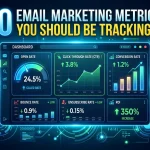
A healthy open rate for ecommerce emails typically falls between 15 and 25 percent. Automated emails, such as welcome series and abandoned cart reminders, usually see much higher open rates (often exceeding 40 percent) because they are triggered by recent user actions. Broadcast promotional emails generally see lower open rates.
Why do ecommerce emails go to the spam folder?
Emails land in the spam folder due to poor sender reputation, deceptive subject lines, or a lack of physical mailing address in the email footer. High bounce rates and frequent spam complaints from subscribers also damage deliverability. To avoid the spam folder, store owners must clean their email lists regularly, remove inactive subscribers, and authenticate their sending domains.
Can I buy an email list for my online store?
No, buying an email list is a dangerous practice that violates anti-spam laws like the GDPR and CAN-SPAM Act. Purchased lists contain unengaged users who did not consent to receive your emails. Sending to these lists results in high spam complaints, which will quickly ruin your sender reputation and cause your email marketing platform to ban your account. Always build your list organically.


I'm Email Marketer who crafts targeted campaigns that drive engagement, nurture leads, and boost conversions. With a passion for creating personalized email strategies.




No Comments