Email marketing is far from dead; it remains a highly effective channel with strong ROI, broad reach, and superior conversion rates. Many claims that Email Marketing Dead stem from outdated tactics, poor segmentation, or weak personalization. Businesses that adopt modern strategies—segmentation, automation, mobile optimization, and AI-driven insights—see sustained engagement and revenue growth.
Scrolling through marketing forums and social media, it’s common to see bold claims that Email Marketing Dead. With the rapid rise of TikTok, Instagram, and other social platforms, many assume email has lost its relevance. Declining open rates, inbox overload, and evolving privacy regulations only seem to reinforce that narrative.
But the reality tells a different story.
Email marketing remains one of the most powerful, profitable, and stable digital marketing channels available today. While the landscape has evolved, the fundamentals—direct communication, audience ownership, high ROI, and strong conversion intent—are still firmly in place. The perception that Email Marketing Dead often stems from outdated strategies, poor segmentation, weak personalization, or failure to adapt to modern expectations.
This article breaks down why the myth persists, what the data actually shows, the mistakes that hurt performance, and how businesses can refine their approach to make email more effective than ever.
Why People Think Email Marketing Is Dead
 The phrase Email Marketing Dead appears frequently in marketing discussions, especially when open rates decline or engagement drops. But before accepting that conclusion, it’s important to understand where this perception comes from and whether it reflects reality.Several factors contribute to the belief that Email Marketing Dead is more than just a myth. However, most of these concerns stem from changes in strategy, technology, and consumer behavior—not from the channel itself losing effectiveness.
Information Overload and Inbox Fatigue
The average person receives around 121 emails per day. With inboxes constantly filling up, it’s easy to assume that marketing messages get ignored. When open rates decrease, some marketers quickly declare Email Marketing Dead without analyzing deeper causes such as poor audience segmentation or weak subject line optimization.
Inbox fatigue is real—but it doesn’t mean email no longer works. It means competition is higher. Brands that fail to stand out through personalized email campaigns, compelling copy, or consistent value are more likely to struggle. The issue is not that Email Marketing Dead is a reality, but that outdated email marketing strategies no longer perform in a crowded inbox.
The Rise of Social Media Marketing

Social media platforms offer instant visibility, viral reach, and interactive engagement. A single TikTok video can generate millions of views in hours. Compared to that scale, email’s one-to-one communication model may appear limited within a broader digital marketing strategy.
This comparison often fuels the narrative that Email Marketing Dead, especially when marketers chase trends instead of focusing on measurable outcomes like email marketing ROI. However, social reach does not always translate into revenue. While Instagram and Twitter feel dynamic, they don’t consistently outperform email in direct conversion marketing and customer retention strategies.
Changing Consumer Behavior
Younger audiences rely heavily on messaging apps and social platforms for communication. This shift leads some marketers to assume email is outdated for Gen Z and Millennials.
But even younger demographics use email daily—for online shopping, account verification, subscriptions, education, and work communication. The assumption that Email Marketing Dead for younger consumers ignores how integrated email remains in digital life and modern omnichannel marketing approaches.
Email may not be their favorite social platform, but it is still their most trusted channel for transactional email communication and professional correspondence.
Technical Challenges
Deliverability issues, spam filters, and evolving data privacy regulations like GDPR have made email marketing more complex. When campaigns land in spam folders or fail to comply with regulations, frustration grows—often due to weak email deliverability best practices.
Some businesses blame the channel and declare Email Marketing Dead rather than addressing email list hygiene, segmentation gaps, or content relevance. In reality, technical challenges demand smarter strategy—not abandonment.
The complexity of email marketing has increased, but so have the tools available for advanced email automation and performance optimization.
The Reality: Email Marketing Is Stronger Than Ever

Despite constant claims that Email Marketing Dead, the data consistently proves otherwise. Email remains one of the highest ROI digital marketing channels, delivering direct access to audiences without relying on third-party algorithms. Unlike rented platforms, email provides full ownership of your subscriber list, allowing brands to communicate consistently, personalize messaging at scale, and build long-term customer relationships.
What has changed is not the effectiveness of email, but the expectations of subscribers. Modern audiences demand relevance, value, and personalization. Businesses that adapt through segmentation, automation, AI-driven insights, and mobile optimization continue to see strong engagement and revenue growth. The narrative that Email Marketing Dead typically comes from outdated mass-blast strategies, not from the channel itself.
In reality, email marketing has evolved into a smarter, more data-driven, and more profitable communication tool. Brands that treat it as a relationship-building platform rather than a simple promotional outlet consistently outperform competitors. Email marketing isn’t disappearing—it’s maturing, and those who evolve with it are seeing better results than ever.
Impressive ROI Numbers
Email marketing generates an average return of $42 for every dollar spent. This dramatically outperforms most digital channels, including paid social media advertising, which often returns between $2–5 per dollar invested.
If Email Marketing Dead were true, such consistent ROI would not exist across industries. Even with increased inbox competition, email remains one of the most cost-effective marketing channels available.
Widespread Usage Across Demographics
More than 90% of adults check their email daily. Email usage spans every age group, profession, and income level. While social media platforms rise and fall in popularity, email remains stable and universally adopted.
The narrative that Email Marketing Dead fails to account for this widespread and consistent usage. People may scroll social media casually—but they check email intentionally.
Superior Conversion Rates
Email drives three times more conversions than social media. When users click through from an email, they typically have higher intent compared to passive social media browsing.
The idea that Email Marketing Dead ignores one critical factor: intent-driven traffic. Email subscribers have already opted in. They expect communication. That permission-based relationship significantly increases conversion likelihood.
Owned Media Advantage
Unlike social media platforms, where social media algorithm changes can drastically reduce reach overnight, email lists are owned media assets. You control the relationship, messaging frequency, and distribution through a direct owned media marketing strategy.
Marketers declaring Email Marketing Dead often overlook the strategic advantage of ownership. Social platforms can suspend accounts or change policies, impacting your organic social media reach instantly. Email lists remain under your control as a stable first-party data asset.
This stability makes email one of the safest long-term digital marketing investments.
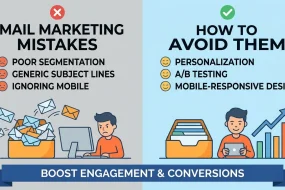
Common Email Marketing Mistakes That Kill Performance

When campaigns underperform, the issue is rarely the channel itself. Instead of assuming Email Marketing Dead, businesses should examine avoidable email marketing strategy mistakes.
Generic, Irrelevant Content
Sending identical messages to an entire list guarantees lower engagement. Modern consumers expect personalization driven by behavioral email targeting. When content lacks relevance, subscribers ignore it—or unsubscribe.
Poor segmentation and generic newsletters are often mistaken as proof that Email Marketing Dead. In reality, they reflect weak execution of personalized email marketing strategies. Personalized emails consistently outperform mass messaging.
Lack of Segmentation and Targeting
Failing to segment audiences by behavior, purchase history, or engagement level reduces effectiveness. Subscribers at different stages of the buyer journey require tailored messaging aligned with customer journey marketing principles.
When businesses ignore segmentation, they reinforce the myth that Email Marketing Dead, even though properly executed email list segmentation strategies could dramatically improve results.
Weak Subject Lines
Subject lines determine open rates. Without curiosity, urgency, or personalization, emails remain unopened. Declining open rates are often due to weak execution of email subject line best practices—not a dying channel.
Poor Subject Lines
Your subject line determines whether someone opens your email. Vague headlines like “Newsletter #47” or overly promotional language like “AMAZING SALE!!!” fail to capture attention and reduce overall email open rate optimization. The best subject lines create curiosity while clearly indicating value.
Inconsistent Sending Schedules
Sporadic email campaigns confuse subscribers and hurt deliverability. Consistent communication builds trust and strengthens brand recall marketing. Whether you send weekly or monthly, maintaining a predictable schedule improves engagement and supports email deliverability best practices.
Ignoring Mobile Optimization
Over 60% of emails are opened on mobile devices, making mobile email optimization essential. If your emails don’t display properly on smartphones or tablets, you immediately alienate a majority of your audience. Poor formatting, tiny fonts, broken layouts, and hard-to-click buttons create friction that leads to instant deletion.
When businesses ignore responsive design, they often blame low engagement on Email Marketing Dead instead of recognizing usability issues. In reality, mobile optimization and responsive email design best practices are fundamental. A single-column layout, clear typography, optimized images, and thumb-friendly call-to-action buttons significantly improve performance.
The myth of Email Marketing Dead often gains traction when brands fail to adapt their emails to modern mobile behavior and evolving mobile user experience standards.
Neglecting List Hygiene
A bloated email list filled with inactive subscribers damages your sender reputation. Internet service providers track engagement levels, and consistently sending emails to unresponsive contacts increases the likelihood of landing in spam folders.
When open rates decline because of poor list hygiene, some marketers assume Email Marketing Dead. However, the real issue is sending emails to people who are no longer interested. Regularly cleaning your list—removing inactive users, correcting invalid addresses, and re-engaging dormant subscribers—improves deliverability and overall campaign performance.
Healthy lists lead to higher engagement, stronger sender reputation, and better inbox placement.
How to Revitalize Your Email Marketing Strategy
If performance is dropping, the solution isn’t declaring Email Marketing Dead—it’s refining your strategy. Transform average campaigns into high-performing assets with the following proven methods.
Segment Your Audience
Not all subscribers are the same. Dividing your email list based on behavior, demographics, purchase history, and engagement levels dramatically improves results. Targeted campaigns to specific segments can generate up to 760% more revenue than generic broadcasts.
Many brands that believe Email Marketing Dead are simply sending the same message to everyone. Start with basic segmentation—new subscribers versus loyal customers—then expand into behavioral triggers, browsing patterns, and lifecycle stages. The more relevant the message, the higher the engagement.
Personalize Beyond Names
Adding a first name to a subject line is no longer enough. True personalization leverages data intelligently. Use purchase history to recommend complementary products. Send location-based promotions. Adjust messaging based on previous engagement.
Dynamic content blocks allow different subscribers to see customized sections within the same email. When executed correctly, personalization increases open rates, click-through rates, and conversions.
The perception of Email Marketing Dead often disappears when businesses implement deeper personalization strategies.
Focus on Value, Not Just Promotion
If every email is a sales pitch, subscribers will tune out. Modern audiences expect value—educational content, actionable tips, insider knowledge, or exclusive access.
Provide industry insights, how-to guides, curated resources, or early access to new products. When subscribers consistently benefit from your emails, they become more receptive to promotional messages.
Brands that focus only on discounts often contribute to the myth that Email Marketing Dead. Value-driven communication builds trust and long-term engagement.
Optimize Send Times
Timing significantly affects performance. Testing different sending schedules helps identify when your audience is most active and responsive.
For example, B2B emails may perform better Tuesday through Thursday mornings, while B2C campaigns might see stronger engagement on weekends or evenings. However, audience behavior varies, so rely on analytics rather than assumptions.
Declaring Email Marketing Dead without testing timing ignores a critical performance variable. Even minor adjustments in send time can lead to meaningful improvements.
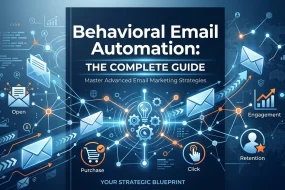
Implement Automation
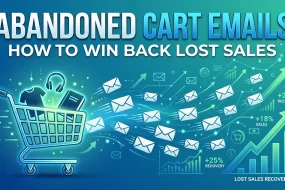
Automation enhances consistency while maintaining personalization. Welcome series, abandoned cart reminders, onboarding flows, and post-purchase follow-ups nurture subscribers automatically.
Automated sequences respond to user behavior in real time, making communication more relevant and timely. Businesses that rely solely on manual campaigns may struggle and mistakenly conclude Email Marketing Dead, when automation could dramatically increase efficiency and results.
Future-Proofing Your Email Marketing
Email marketing continues to evolve. Staying ahead of trends ensures your strategy remains competitive and adaptable.
Interactive Email Elements
Modern email clients now support interactive features such as polls, surveys, image carousels, countdown timers, and embedded product galleries. These elements transform static emails into engaging experiences.
Interactive emails encourage participation, increase time spent within the message, and provide valuable data about subscriber preferences. In crowded inboxes, dynamic content stands out.
As innovation continues, the claim that Email Marketing Dead becomes increasingly inaccurate. The channel is evolving—not disappearing.
Final Perspective on Performance
When engagement drops, it’s tempting to assume Email Marketing Dead. But in most cases, the issue lies in outdated tactics, lack of personalization, poor segmentation, or neglecting mobile optimization.
Email remains one of the highest ROI marketing channels available. The businesses that adapt—through smarter targeting, automation, value-driven content, and interactive elements—continue to see measurable growth.
Email marketing is not dead. It is more competitive, more data-driven, and more strategic than ever before.
Artificial Intelligence and Smarter Optimization

Artificial intelligence is transforming how businesses approach email strategy. Instead of relying on guesswork, machine learning algorithms analyze subscriber behavior patterns such as open rates, click behavior, browsing activity, purchase history, and engagement frequency. These insights allow marketers to predict what type of content each subscriber is most likely to engage with.
AI-powered systems can automatically optimize subject lines, determine the best send times for individual users, recommend products based on behavioral data, and adjust content blocks dynamically. This level of personalization was once available only to large enterprises with advanced resources. Today, even small and mid-sized businesses can leverage AI tools built directly into modern email platforms.
When companies fail to adopt evolving technologies, they sometimes conclude Email Marketing Dead. In reality, the channel has become more intelligent and data-driven than ever before. Businesses that embrace predictive analytics often see dramatic improvements in engagement and conversions.
Advanced automation combined with AI also enables real-time behavioral triggers. For example, if a subscriber views a product multiple times but does not purchase, the system can automatically send a personalized follow-up email with relevant information or incentives. These highly targeted interactions directly challenge the narrative that Email Marketing Dead by demonstrating measurable performance improvements.
Privacy-First Approaches
As digital ecosystems evolve, privacy expectations continue to increase. Stricter data protection regulations and consumer awareness demand transparency, ethical data usage, and clear consent processes. Marketers must prioritize compliance while maintaining personalization.
Building trust starts with transparent privacy policies, clear opt-in processes, and easy unsubscribe options. When subscribers understand how their data is used and feel respected, engagement improves. Responsible data collection practices not only ensure compliance but also strengthen brand credibility.
Some businesses blame declining engagement on Email Marketing Dead, when in reality the issue lies in outdated or non-compliant data practices. Respectful data handling fosters long-term relationships and reduces churn.
A privacy-first approach also means focusing on first-party data—information willingly shared by subscribers through preferences, surveys, and interactions. This data is more reliable and more valuable than third-party tracking methods. As privacy standards continue evolving, brands that adapt will thrive, while those that resist change may mistakenly reinforce the belief that Email Marketing Dead.
Why Email Marketing Remains Essential
The idea that Email Marketing Dead has been circulating for years, yet email continues to deliver one of the highest returns on investment across all digital channels. Its core strengths remain unmatched: direct communication, full audience ownership, measurable performance, and broad global reach.
Unlike social media platforms where algorithms control visibility, email provides direct access to your audience’s inbox. There is no dependency on shifting platform rules or declining organic reach. When someone subscribes, you own that communication channel.
Businesses declaring Email Marketing Dead are often those relying on outdated, mass-broadcast tactics without segmentation or personalization. Modern email marketing is strategic, data-driven, and relationship-focused. Companies that evolve consistently outperform competitors who abandon the channel prematurely.
Email also integrates seamlessly with broader digital strategies. It supports content marketing, drives traffic to websites, nurtures leads through the sales funnel, and reinforces customer retention efforts. In many cases, email acts as the connective tissue between all digital touchpoints.
Relationship Over Broadcast
Success today requires treating email as a relationship-building tool rather than a promotional megaphone. Subscribers expect relevance, personalization, and consistent value. When brands shift their mindset from selling to serving, engagement rises naturally.
Provide educational insights, exclusive access, tailored recommendations, and helpful resources. Communicate consistently but respectfully. Monitor engagement data and refine messaging based on subscriber behavior.
Marketers who fail to adapt may continue repeating Email Marketing Dead, but those who prioritize audience needs see sustained growth. The difference lies not in the channel itself, but in the strategy behind it.
Email marketing remains one of the few channels where businesses can nurture long-term relationships at scale while maintaining personalization. It supports every stage of the customer journey—from awareness and consideration to purchase and loyalty.
Frequently Asked Questions
What is Email Marketing and why is it important?
Email marketing is a direct digital communication channel used to send targeted messages to subscribers. It’s important because it offers high ROI, builds customer relationships, drives conversions, and allows full control over your audience compared to social media platforms.
Why do some marketers say Email Marketing Dead?
Some marketers claim Email Marketing Dead due to declining open rates, inbox fatigue, poor personalization, or ineffective segmentation. The reality is that outdated strategies—not the channel itself—cause these issues.
How can I know if my email campaigns are effective?
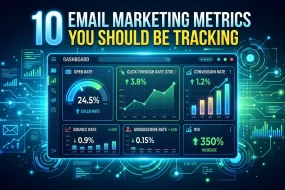
Measure key metrics like open rates, click-through rates, conversion rates, and ROI. Tracking these KPIs helps determine if your email marketing strategy is performing or needs optimization.
What role does segmentation play in email marketing?
Segmentation divides your audience based on behavior, demographics, or engagement. It ensures that content is relevant, increases engagement, and prevents the misconception that Email Marketing Dead.
How important is personalization in email campaigns?
Personalization improves relevance by addressing individual subscriber preferences, purchase history, or location. Highly personalized emails outperform generic messages and show that Email Marketing Dead is a myth.
Should I optimize my emails for mobile devices?
Yes. Over 60% of emails are opened on mobile. Mobile-friendly layouts, responsive design, and thumb-friendly call-to-action buttons are essential to prevent engagement loss.
Can automation improve email marketing performance?
Absolutely. Automation allows welcome series, abandoned cart reminders, and behavioral triggers to engage subscribers consistently. Proper automation proves that Email Marketing Dead is not true.
How does AI enhance email marketing?
AI predicts subscriber preferences, optimizes send times, recommends content, and personalizes emails dynamically. Businesses using AI see higher engagement, challenging the claim that Email Marketing Dead.
What are common mistakes that reduce email effectiveness?
Common mistakes include generic content, weak subject lines, poor segmentation, inconsistent sending, and ignoring mobile optimization. Fixing these prevents the perception that Email Marketing Dead.
How do I future-proof my email marketing strategy?
Focus on advanced segmentation, AI-driven personalization, interactive elements, privacy-first practices, and consistent value-driven content. These strategies keep email marketing alive, relevant, and profitable.








No Comments