


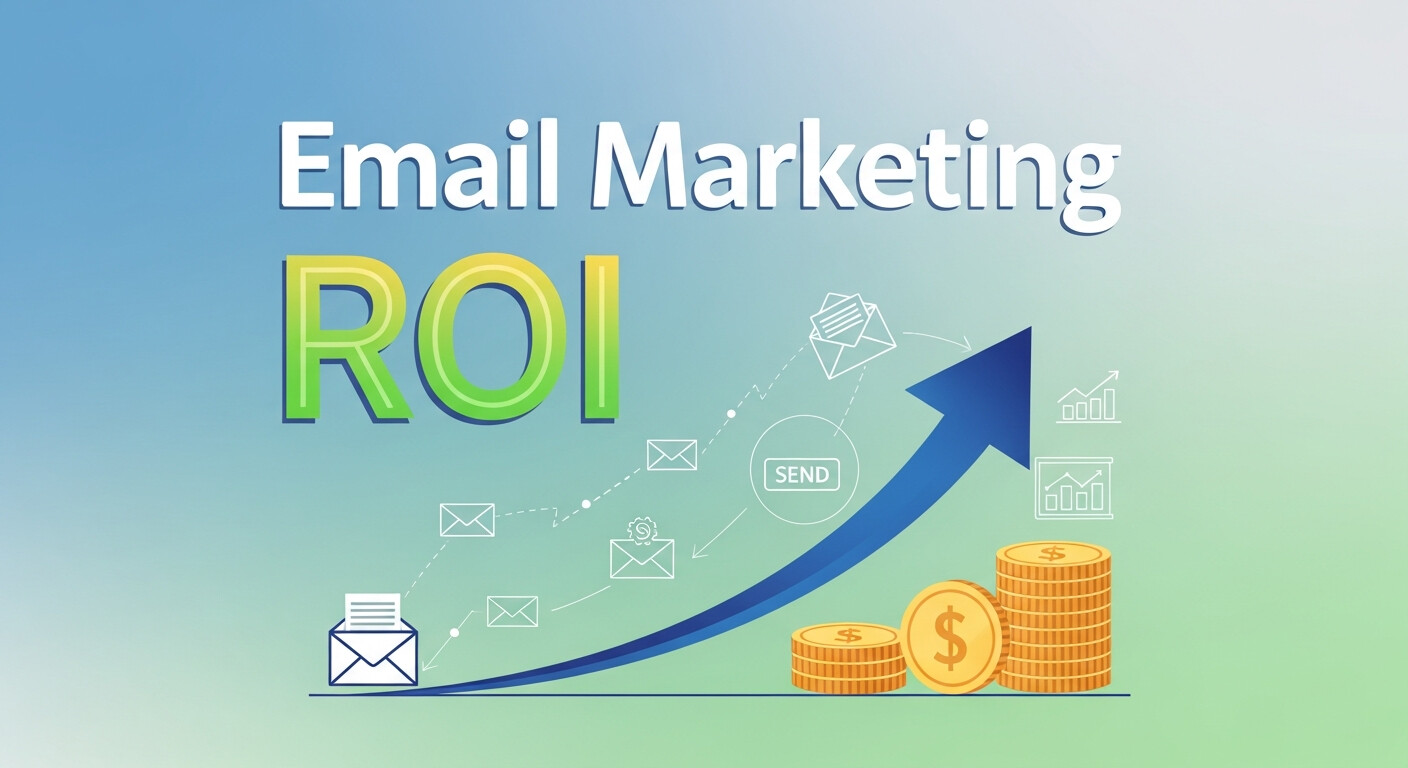
Email marketing remains one of the most effective digital marketing channels available to businesses today. But how do you know if your email campaigns are truly paying off? Understanding email marketing ROI (return on investment) is crucial for measuring success and making informed decisions about your marketing budget.
Understanding Email Marketing ROI
Email marketing ROI measures the profitability of your email campaigns by comparing the revenue generated against the costs invested. This metric helps you determine whether your email marketing efforts are generating positive returns and how they compare to other marketing channels.
The basic concept is straightforward: for every dollar you spend on email marketing, how much revenue do you generate? However, calculating and interpreting this metric requires careful consideration of various factors, including attribution models, timeframes, and hidden costs.
How to Calculate Email Marketing ROI
The Basic Formula
The standard email marketing ROI formula is:
ROI = (Revenue Generated – Campaign Costs) ÷ Campaign Costs × 100
For example, if you spent $1,000 on an email campaign and generated $5,000 in revenue, your calculation would be:
ROI = ($5,000 – $1,000) ÷ $1,000 × 100 = 400%
This means you earned $4 for every $1 invested in email marketing.
What Costs to Include
To calculate accurate email marketing ROI, you need to account for all associated costs:
Direct Costs:
- Email service provider (ESP) subscription fees
- Email design and copywriting
- List acquisition costs
- Automation setup and maintenance
Indirect Costs:
- Staff time for campaign creation and management
- A/B testing tools and analytics platforms
- Content creation (images, videos, graphics)
- Compliance and deliverability tools
Attribution Considerations
Determining which sales to attribute to email marketing can be challenging. Consider these attribution models:
First-touch attribution credits the first marketing touchpoint (potentially your email) for the entire sale. Last-touch attribution gives full credit to the final interaction before purchase. Multi-touch attribution distributes credit across all touchpoints in the customer journey.
Most businesses use last-touch attribution for simplicity, but multi-touch provides a more accurate picture of email’s true impact.
Average Email Marketing ROI Benchmarks
Industry data consistently shows email marketing delivers exceptional returns compared to other digital channels. Recent studies indicate that email marketing generates an average ROI of $36-$42 for every dollar spent, though results vary significantly by industry and implementation quality.
Industry Benchmarks:
- Retail and e-commerce: $45:$1
- Technology and software: $39:$1
- Healthcare and pharmaceuticals: $35:$1
- Financial services: $33:$1
- Nonprofit organizations: $31:$1
These benchmarks provide useful reference points, but your actual ROI will depend on factors like list quality, segmentation strategies, personalization levels, and overall email marketing maturity.
Understanding Customer Lifetime Value (CLV)

Customer Lifetime Value (CLV) is the total revenue a customer is expected to generate during their relationship with your business. Incorporating CLV into email marketing ROI analysis provides a more accurate measure of long-term profitability. By tracking how email campaigns contribute to repeat purchases, subscription renewals, or upsells, marketers can evaluate the true value of email efforts beyond immediate conversions. Combining CLV with segmentation allows you to target high-value customers with personalized campaigns, maximizing revenue per subscriber. This approach ensures your email marketing investments focus on cultivating loyalty and driving sustained growth rather than just short-term sales.
A/B Testing for Maximum ROI
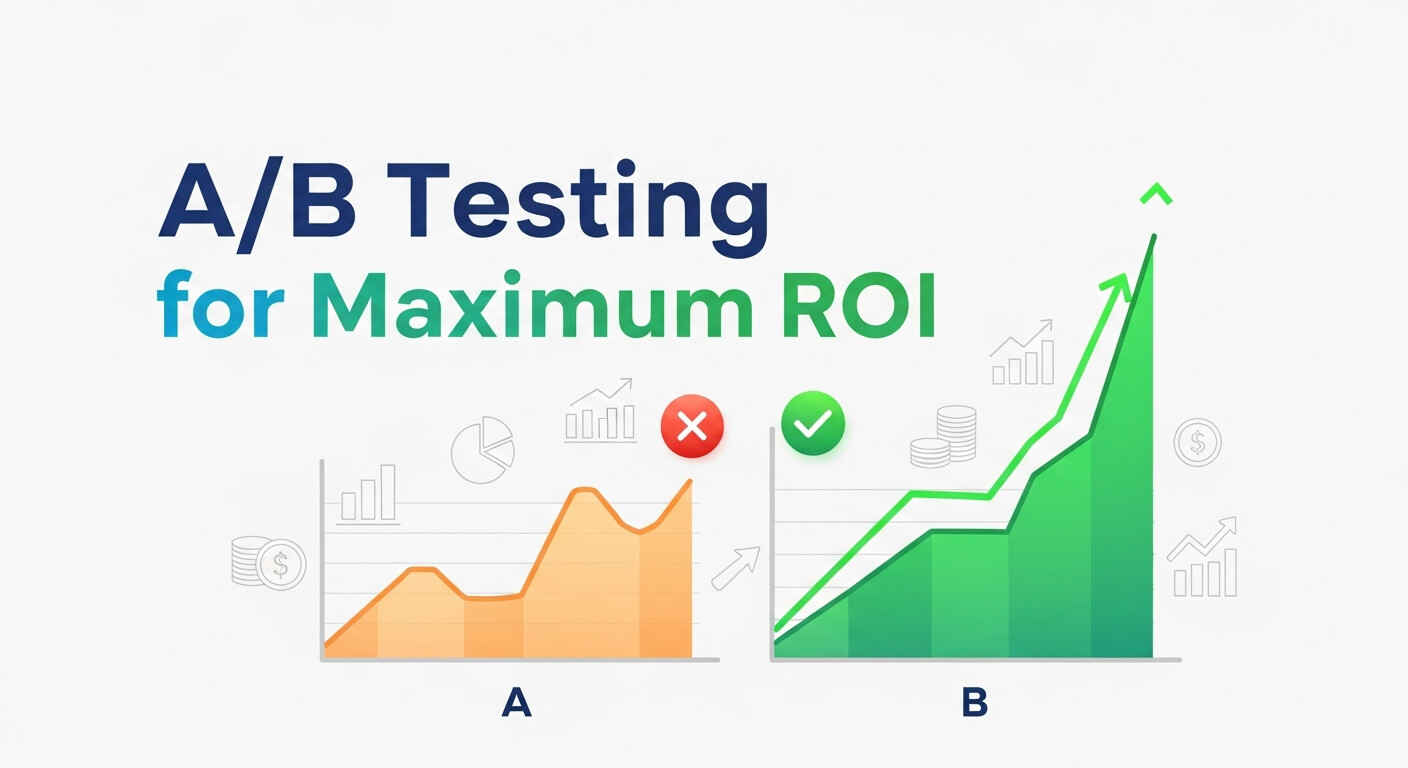
A/B testing is essential for optimizing email campaigns. By testing variations of subject lines, content, visuals, call-to-actions, or send times, marketers can identify which elements drive the highest engagement and conversions. Google Analytics and ESP platforms make it easy to measure performance metrics like open rates, click-through rates, and revenue per email. Consistent A/B testing allows businesses to make data-driven decisions, reduce guesswork, and continuously improve campaigns. Small improvements in engagement or conversion can compound over time, significantly increasing email marketing ROI, making A/B testing one of the most cost-effective ways to refine strategy and achieve higher returns.
Using Segmentation for Targeted Campaigns
Segmentation divides your subscriber list into smaller groups based on demographics, behavior, purchase history, engagement level, or lifecycle stage. Targeted campaigns improve relevance, engagement, and revenue by delivering content aligned with each group’s preferences. For instance, sending product recommendations to past buyers or promotional offers to inactive subscribers increases the likelihood of conversions. Segmentation also reduces unsubscribes and spam complaints, maintaining deliverability and sender reputation. When combined with personalization, segmentation maximizes ROI by ensuring each subscriber receives emails that resonate with their interests, driving higher open rates, click-throughs, and long-term customer loyalty.
Automation Workflows That Drive Revenue

Email automation streamlines campaigns, sending timely, relevant messages without constant manual effort. Automated workflows, such as welcome sequences, abandoned cart reminders, and re-engagement campaigns, guide subscribers through the buyer journey. These campaigns increase conversions by delivering the right message at the right time. For example, abandoned cart emails recover potentially lost sales, while win-back campaigns revive inactive users. Automation also allows for scaling email marketing efforts efficiently, improving ROI by generating revenue consistently with minimal additional resources. Tracking the performance of automated workflows ensures you optimize each step and maximize profitability from every subscriber interaction.
Tracking Multi-Channel Attribution
Email marketing doesn’t operate in isolation; it often interacts with social media, content marketing, and paid campaigns. Multi-channel attribution helps measure email’s true impact across the entire customer journey. Using tools like Google Analytics, marketers can track assisted conversions, showing where email influenced purchases indirectly. This provides a clearer understanding of ROI, ensuring email campaigns receive appropriate credit even if the conversion occurs later or through another channel. By analyzing these interactions, businesses can refine campaign timing, messaging, and integration with other channels, ultimately improving overall marketing performance and achieving higher ROI.
Optimizing Email Design for Engagement
Effective email design improves engagement and directly impacts ROI. Mobile-friendly layouts, visually appealing graphics, concise copy, and clear calls-to-action encourage readers to interact and convert. A cluttered or non-responsive email can reduce clicks, increase unsubscribes, and harm deliverability. Using a single-column format, large buttons, and optimized images ensures emails load quickly and are readable on any device. Consistent branding and visually appealing templates increase trust and recognition. By testing and refining design elements based on analytics, marketers can maximize click-throughs and conversions, boosting revenue per email and overall ROI while enhancing the subscriber experience.
Factors That Impact Email Marketing ROI
List Quality and Growth Strategy
The foundation of high email marketing ROI starts with a quality subscriber list. Purchased lists typically generate poor results and can damage your sender reputation. Focus on organic list building through:
- Lead magnets and valuable content offers
- Website opt-in forms and pop-ups
- Social media promotion of your newsletter
- Referral programs encourage shares
Segmentation and Personalization
Generic, one-size-fits-all emails rarely achieve optimal ROI. Successful email marketers segment their lists based on:
- Demographics and psychographics
- Purchase history and behavior
- Engagement levels and preferences
- Customer lifecycle stage
Personalized emails can generate transaction rates six times higher than non-personalized messages.
Email Frequency and Timing
Finding the optimal sending frequency balances staying top-of-mind with avoiding subscriber fatigue. Most businesses see best results with 1-4 emails per week, but optimal frequency varies by industry and audience preferences.
Testing different send times and days can also impact ROI. B2B emails often perform better during business hours, while B2C emails may see higher engagement during evenings and weekends.
Mobile Optimization
With over 60% of emails opened on mobile devices, responsive design is essential for maximizing ROI. Mobile-optimized emails should feature:
- Single-column layouts
- Large, tappable buttons
- Concise subject lines and preview text
- Fast-loading images and minimal text
Advanced Strategies to Improve Email Marketing ROI
Automated Email Sequences
Automation can dramatically improve ROI by delivering relevant messages at optimal times without ongoing manual effort. High-performing automated sequences include:
A welcome series that introduces new subscribers to your brand and sets expectations. Abandoned cart reminders that recover potentially lost sales. Win-back campaigns that re-engage inactive subscribers before removing them from your list.
Advanced Analytics and Testing
Beyond basic open and click rates, track metrics that directly correlate with ROI:
- Revenue per email sent
- Customer lifetime value by email segment
- Conversion rates for specific product categories
- Unsubscribe rates and list churn
Implement systematic A/B testing for subject lines, send times, email content, and call-to-action buttons. Small improvements in key metrics can compound into significant ROI gains over time.
Integration with Other Marketing Channels
Email marketing ROI improves when integrated with other channels. Use email to:
- Nurture leads generated from social media or content marketing
- Follow up on trade show contacts or webinar attendees
- Cross-promote blog content and downloadable resources
- Support retargeting campaigns with personalized messaging
Common Email Marketing ROI Mistakes
Focusing Only on Short-term Returns
Many businesses calculate ROI based solely on immediate purchases following email sends. This approach undervalues email marketing’s role in customer relationship building and long-term retention.
Consider lifetime value metrics and the cumulative impact of consistent email communication on brand awareness and customer loyalty.
Ignoring Deliverability Issues
Poor deliverability can devastate email marketing ROI. Monitor key deliverability metrics, including:
- Inbox placement rates
- Spam complaints and unsubscribe rates
- Domain and IP reputation scores
- Authentication setup (SPF, DKIM, DMARC)
Neglecting List Hygiene
Sending emails to inactive or invalid addresses wastes money and hurts deliverability. Regularly clean your list by:
- Removing hard bounces immediately
- Suppressing chronic non-openers after 6-12 months
- Using double opt-in for new subscribers
- Implementing re-engagement campaigns before list removal
Tools for Tracking Email Marketing ROI
Email Service Providers with Built-in Analytics
Most modern ESPs provide ROI tracking capabilities:
Mailchimp offers revenue reporting and e-commerce integration. Klaviyo specializes in ROI tracking for e-commerce businesses. HubSpot provides comprehensive ROI reporting across multiple marketing channels.
Google Analytics Integration
Setting up proper Google Analytics tracking allows you to:
- Track email traffic and conversion paths
- Calculate assisted conversions from email marketing
- Compare email performance to other traffic sources
- Set up goals and e-commerce tracking for revenue attribution
Advanced Attribution Tools
For businesses with complex customer journeys, consider specialized attribution tools like:
- Multi-touch attribution platforms
- Customer data platforms (CDPs)
- Marketing mix modeling software
Maximizing Your Email Marketing Investment
Email marketing consistently delivers outstanding ROI when executed strategically. Focus on building quality subscriber lists, creating relevant and personalized content, and continuously optimizing based on performance data.
Remember that email marketing ROI extends beyond immediate sales. The channel builds customer relationships, increases brand loyalty, and supports other marketing efforts. By taking a holistic approach to measurement and optimization, you can maximize both short-term returns and long-term business value from your email marketing investments.
Start by implementing proper tracking and attribution, then systematically test and optimize your campaigns. With consistent effort and strategic thinking, email marketing can become your highest-ROI marketing channel.
Frequently Asked Questions (FAQ) – Email Marketing ROI
1. What is email marketing ROI?
Email marketing ROI measures the profitability of your email campaigns by comparing revenue generated to the costs invested. It helps determine whether your campaigns are cost-effective and how they perform relative to other marketing channels.
2. How do I calculate email marketing ROI?
The basic formula is:
ROI = (Revenue Generated – Campaign Costs) ÷ Campaign Costs × 100
For example, if you spend $1,000 and earn $5,000, your ROI is 400%, meaning $4 earned for every $1 spent.
3. What costs should I include in ROI calculation?
Include direct costs (ESP subscription, design, copywriting, list acquisition) and indirect costs (staff time, automation tools, content creation, compliance tools) to get an accurate ROI.
4. What factors impact email marketing ROI?
Key factors include list quality, segmentation and personalization, email frequency and timing, mobile optimization, and content relevance. Poor execution in any of these areas can reduce ROI.
5. How can I improve email marketing ROI?
Strategies include using automated email sequences, advanced analytics and A/B testing, personalization, segmentation, mobile optimization, and integrating email campaigns with other marketing channels.
6. What are common ROI mistakes to avoid?
Avoid focusing only on short-term sales, ignoring deliverability issues, and neglecting list hygiene. Regular cleaning, monitoring, and re-engagement campaigns help maintain ROI.
7. What tools help track email marketing ROI?
Tools include email service providers with built-in analytics (Mailchimp, Klaviyo, HubSpot), Google Analytics integration for conversion tracking, and advanced attribution platforms for multi-touch or complex journeys.
8. How do I account for attribution in ROI measurement?
Consider first-touch, last-touch, or multi-touch attribution models to assign credit accurately. Multi-touch attribution gives a clearer picture of email’s impact across the customer journey.
9. What is a good benchmark for email marketing ROI?
Industry averages range from $31-$45 earned per $1 spent, depending on sector and execution. Retail/e-commerce often sees the highest ROI, while nonprofits and services are slightly lower.
10. Why is email marketing still one of the highest-ROI channels?
It directly engages a targeted audience, supports personalized messaging, nurtures customer relationships, and drives repeat purchases. Properly tracked and optimized campaigns consistently outperform many other digital marketing channels.


I'm Email Marketer who crafts targeted campaigns that drive engagement, nurture leads, and boost conversions. With a passion for creating personalized email strategies.














No Comments