

Email marketing has been declared dead more times than a soap opera character. Social media platforms promise instant engagement, influencers command massive followings, and new marketing channels emerge seemingly overnight. Yet businesses across industries continue investing billions in email campaigns each year.
This persistence raises an important question: Is email marketing genuinely effective, or are companies simply slow to adapt to modern consumer behavior? The answer might surprise you. Not only does email marketing remain highly effective, but it’s also evolved into one of the most sophisticated and profitable marketing channels available.
This post examines the current state of email marketing, explores why it continues to outperform many newer channels, and provides insights into how businesses can maximize their email marketing success.
Email Marketing by the Numbers
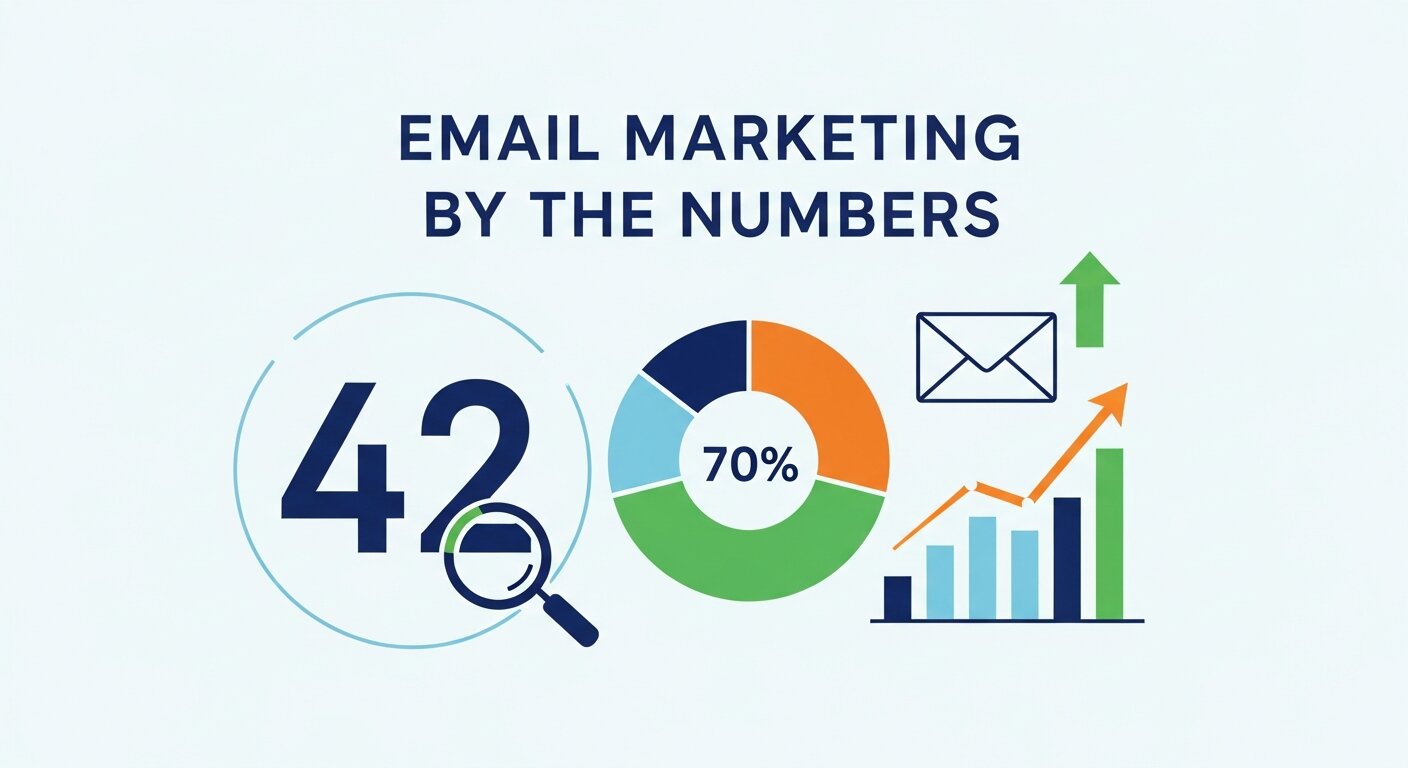 The statistics surrounding email marketing effectiveness paint a compelling picture. According to recent industry data, email marketing generates an average return on investment (ROI) of $42 for every dollar spent. This ROI significantly exceeds that of most other marketing channels, including social media advertising and pay-per-click campaigns.
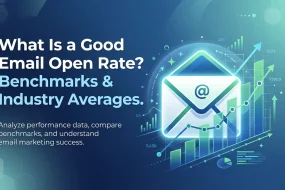
Open rates across industries average between 20-25%, while click-through rates hover around 2-3%. These numbers might seem modest, but they represent millions of engaged prospects and customers interacting with brands daily. The sheer volume of email users—over 4 billion globally—means even small percentages translate into substantial business opportunities.
Email marketing’s effectiveness becomes even more apparent when examining conversion rates. Email subscribers are three times more likely to share content via social media compared to visitors from other sources. They’re also more likely to make purchases, with email-driven transactions accounting for approximately 20% of all online sales.
Why Email Marketing Continues to Thrive
Several factors contribute to email marketing’s enduring effectiveness. Understanding these elements helps explain why businesses shouldn’t abandon email in favor of flashier alternatives.
Direct Access to Your Audience
Unlike social media platforms, where algorithms determine content visibility, email provides direct access to your audience. When someone subscribes to your email list, they’re granting permission for you to communicate with them directly. This permission creates a powerful foundation for building relationships and driving conversions.
Social media platforms can change their algorithms overnight, dramatically reducing your organic reach. Email marketing doesn’t face this uncertainty. Your messages land directly in subscribers’ inboxes, ensuring consistent visibility for your content.
Personalization at Scale
Modern email marketing platforms offer sophisticated personalization capabilities that were unimaginable just a few years ago. Businesses can segment their audiences based on behavior, demographics, purchase history, and countless other factors. This segmentation enables highly targeted messaging that resonates with specific audience segments.
Personalized emails deliver six times higher transaction rates than generic messages. When recipients receive content tailored to their interests and needs, they’re more likely to engage and convert. This personalization extends beyond simply inserting a recipient’s name into the subject line—it involves crafting entire campaigns around individual subscriber preferences and behaviors.
Cost-Effectiveness
Email marketing remains one of the most cost-effective marketing channels available. The barriers to entry are low, with basic email marketing platforms costing as little as $10-20 per month for small businesses. Even enterprise-level solutions represent a fraction of the cost associated with traditional advertising methods.
This cost-effectiveness doesn’t mean email marketing is cheap or easy. Successful campaigns require strategy, compelling content, and ongoing optimization. However, the potential returns far exceed the investment for businesses that execute email marketing properly.
Measurable Results
Email marketing provides detailed analytics that enable continuous improvement. Marketers can track open rates, click-through rates, conversion rates, and numerous other metrics. This data reveals which subject lines perform best, what content resonates with audiences, and when subscribers are most likely to engage.
The ability to A/B test different elements of email campaigns—from subject lines to call-to-action buttons—allows for continuous optimization. Businesses can make data-driven decisions about their email marketing strategies rather than relying on guesswork.
The Evolution of Email Marketing
 Email marketing has evolved dramatically since its early days of simple text messages and basic HTML templates. Modern email marketing incorporates advanced technologies and strategies that enhance effectiveness.
Automation and Triggered Campaigns
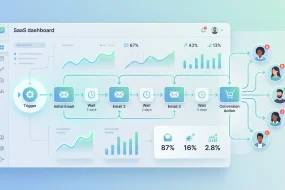
Email automation enables businesses to send timely, relevant messages based on subscriber behavior. Welcome sequences introduce new subscribers to brands, abandoned cart emails recover potentially lost sales, and re-engagement campaigns win back inactive subscribers.
These automated campaigns often outperform traditional batch-and-blast emails because they’re triggered by specific actions or behaviors. When someone abandons their shopping cart, for example, they receive a targeted email within hours, while their purchase intent is still strong.
Interactive Elements
Modern emails incorporate interactive elements that engage recipients without requiring them to leave their inbox. Polls, surveys, image carousels, and embedded videos create rich experiences that drive higher engagement rates.
These interactive elements also provide valuable data about subscriber preferences and behaviors. Businesses can use this information to further personalize future communications and improve overall campaign effectiveness.
Mobile Optimization
With over 60% of emails opened on mobile devices, responsive design has become essential. Email marketing platforms now offer mobile-optimized templates and testing tools that ensure messages display correctly across all devices.
Mobile optimization extends beyond responsive design to include considerations like shorter subject lines, easily tappable buttons, and concise content that works well on smaller screens.
Challenges Facing Email Marketing
Despite its effectiveness, email marketing faces several challenges that businesses must navigate to achieve success.
Inbox Competition
The average person receives dozens of emails daily, creating intense competition for attention. Standing out requires compelling subject lines, valuable content, and strategic timing. Businesses must work harder than ever to capture and maintain subscriber attention.
Deliverability Issues
Email deliverability—the ability to reach subscribers’ inboxes rather than spam folders—remains a significant challenge. Internet service providers and email clients use increasingly sophisticated filtering systems to combat spam, sometimes catching legitimate marketing emails in the process.
Maintaining good deliverability requires following best practices around list hygiene, sender authentication, and content quality. Businesses must also monitor their sender reputation and respond quickly to any deliverability issues.
Privacy Regulations
Regulations like GDPR and CCPA have introduced new requirements for email marketing. Businesses must obtain explicit consent before sending marketing emails, provide clear unsubscribe options, and handle subscriber data responsibly.
While these regulations create additional compliance requirements, they also benefit legitimate email marketers by reducing spam and improving overall email ecosystem quality.
Best Practices for Effective Email Marketing
Success with email marketing requires more than simply sending messages to a list of email addresses. Effective campaigns incorporate several key elements:
List Building and Segmentation
Building a high-quality email list remains fundamental to email marketing success. Rather than purchasing lists or using questionable tactics to gather email addresses, successful businesses focus on organic list building through valuable content offers, website opt-ins, and social media integration.
Segmentation divides email lists into smaller groups based on shared characteristics or behaviors. This enables more targeted messaging that resonates with specific audience segments. Common segmentation criteria include demographics, purchase history, engagement levels, and geographic location.
Content Strategy
Successful email marketing requires valuable, relevant content that serves subscriber needs. This might include educational articles, product updates, exclusive offers, or entertainment. The key is understanding what your audience values and consistently delivering content that meets those expectations.
Content should be scannable, with clear headings, bullet points, and white space that makes it easy to digest quickly. Including a clear call-to-action guides subscribers toward desired behaviors, whether that’s making a purchase, reading a blog post, or sharing content.
Testing and Optimization
Continuous testing and optimization improve email marketing performance over time. A/B testing different elements—subject lines, send times, content formats, and calls-to-action—reveals what resonates best with your audience.
Testing should be systematic and focused on one variable at a time to ensure accurate results. Regular analysis of campaign performance identifies trends and opportunities for improvement.
Leveraging Analytics for Smarter Campaigns
 Modern businesses rely heavily on analytics to refine and strengthen their campaigns. By tracking open rates, click-through rates, conversions, and subscriber behavior, marketers can identify patterns that reveal what truly resonates with their audience. Analyzing trends over time allows you to adjust subject lines, content formats, and send times for better engagement. Advanced dashboards and reporting tools make it easier to interpret Email Marketing Data and transform raw numbers into actionable insights. Instead of guessing what works, businesses can make informed decisions backed by measurable results. Consistent analysis ensures campaigns remain relevant, efficient, and aligned with changing customer expectations while continuously improving return on investment.
Strategies for Business-Focused Campaigns
Marketing to businesses requires a more structured and value-driven approach than consumer campaigns. Decision-makers often prioritize efficiency, cost savings, and long-term results. Emails targeting professionals should include clear value propositions, data-backed claims, and practical solutions to real business challenges. Timing also plays a significant role, as professionals are more likely to engage during work hours. Effective B2B Email Marketing focuses on nurturing leads through educational content, case studies, and personalized communication rather than aggressive sales tactics. Building trust is essential, and consistent, relevant messaging helps position your brand as an industry authority. When executed strategically, business-focused email campaigns can drive high-value conversions and long-term partnerships.
Niche Industry Opportunities
Specialized industries offer unique opportunities for targeted email campaigns. Businesses operating in specific sectors can tailor content to address industry-specific pain points, regulations, and customer concerns. For example, companies in renewable energy can educate prospects about incentives, cost savings, and environmental impact through carefully crafted Solar Email Marketing campaigns. By focusing on niche topics and providing actionable insights, marketers can establish authority and build stronger trust with subscribers. Segmenting audiences within the industry—such as homeowners, contractors, or commercial clients—further increases relevance and engagement. Industry-specific messaging not only improves open and conversion rates but also strengthens brand credibility in competitive markets.
The Future of Email Marketing
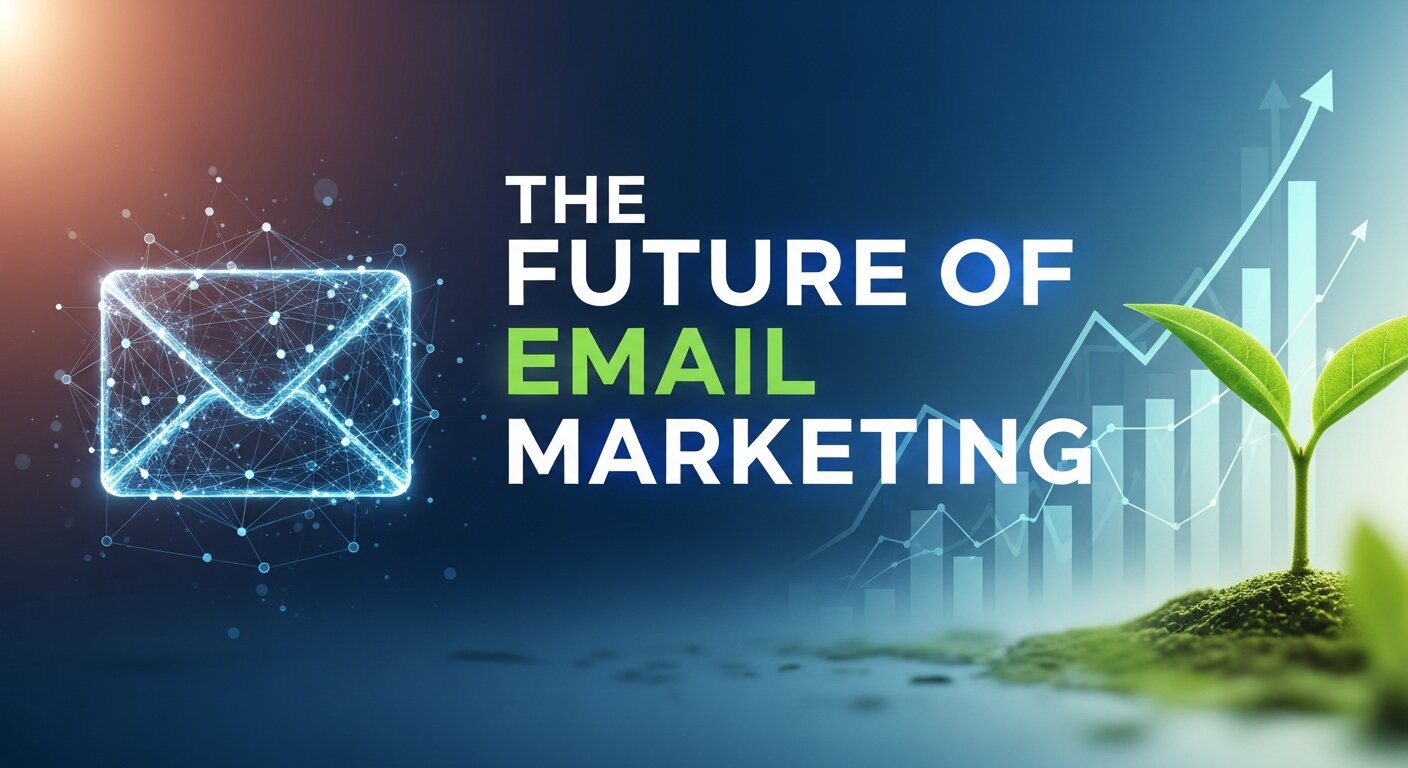 Email marketing continues evolving with new technologies and changing consumer expectations. Several trends are shaping the future of this channel:
Artificial intelligence and machine learning enable more sophisticated personalization and automation. These technologies can predict optimal send times, recommend content based on individual preferences, and automatically optimize campaigns for better performance.
Integration with other marketing channels creates more cohesive customer experiences. Email marketing increasingly works alongside social media, content marketing, and paid advertising to create unified campaigns that reinforce messaging across multiple touchpoints.
Enhanced privacy features and a first-party data focus respond to growing consumer concerns about data privacy. Businesses are investing in direct relationships with customers and using email marketing as a key component of their first-party data strategy.
Making Email Marketing Work for Your Business
Email marketing’s effectiveness depends on execution quality rather than the channel itself. Businesses that approach email marketing strategically, focus on subscriber value, and continuously optimize their campaigns see strong results.
The key is treating email marketing as a long-term relationship-building tool rather than a quick sales channel. Successful email marketing requires patience, consistency, and genuine commitment to serving subscribers’ needs.
Start by defining clear goals for your email marketing efforts. Whether you’re looking to drive sales, build brand awareness, or nurture leads, having specific objectives guides strategy and measurement.
Invest in understanding your audience deeply. What challenges do they face? What information do they need? How can your business help them achieve their goals? Answering these questions enables you to create email content that truly resonates.
Finally, commit to continuous improvement. Email marketing success doesn’t happen overnight, but businesses that consistently test, learn, and optimize their campaigns achieve remarkable results over time.
Frequently Asked Questions (FAQ)
1. Is email marketing still effective in 2026 and beyond?
Yes, email marketing remains one of the most effective digital marketing channels. With an average ROI of $42 for every $1 spent, it continues to outperform many social media and paid advertising channels when executed strategically.
2. Why does email marketing generate such high ROI?
Email marketing is cost-effective, highly targeted, and measurable. Businesses can segment audiences, personalize content, and automate campaigns, which leads to higher engagement and conversion rates compared to broader marketing channels.
3. What are average email marketing open and click-through rates?
Across industries, average open rates range between 20–25%, while click-through rates typically fall between 2–3%. These numbers vary by industry, audience quality, and campaign strategy.
4. Why do some email campaigns fail?
Common reasons include poor subject lines, lack of personalization, irrelevant content, excessive frequency, weak calls-to-action, and deliverability issues that send emails to spam folders.
5. How important is personalization in email marketing?
Personalization significantly increases engagement and transaction rates. Modern tools allow segmentation based on behavior, purchase history, and preferences, enabling highly relevant messaging at scale.


I'm Email Marketer who crafts targeted campaigns that drive engagement, nurture leads, and boost conversions. With a passion for creating personalized email strategies.










No Comments