

Email marketing remains one of the most effective digital marketing channels, but success hinges on one critical metric: your click-through rate. If you’re wondering whether your email campaigns are performing well or need improvement, understanding what constitutes a good click rate is essential for measuring success and optimizing your strategy.
Your email click rate reveals how engaging your content is and whether your audience finds value in what you’re sending. This comprehensive guide will help you understand email click rates, industry benchmarks, and actionable strategies to improve your performance.
Understanding Email Click Rates
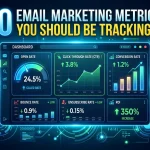
 Email click rate, also known as click-through rate (CTR), measures the percentage of email recipients who click on one or more links within your email. This metric goes beyond simply opening an email—it indicates genuine engagement with your content.
The formula for calculating email click rate is straightforward:
Click Rate = (Number of Clicks ÷ Number of Emails Delivered) × 100
For example, if you send 1,000 emails and receive 50 clicks, your click rate would be 5%.
Click Rate vs. Click-to-Open Rate
Many marketers confuse click rate with click-to-open rate (CTOR). While click rate measures clicks against all delivered emails, CTOR only considers clicks from emails that were actually opened. CTOR provides insight into how compelling your email content is once someone opens it, while click rate offers a broader view of overall campaign effectiveness.
Industry Benchmarks: What’s Considered Good?
Email click rates vary significantly across industries, but general benchmarks can help you gauge your performance. According to recent industry studies, the average email click rate across all industries ranges from 2% to 5%.
Industry-Specific Benchmarks
Different industries see varying click rates based on their audience behavior and content types:
High-Performing Industries:
- Government and nonprofit organizations often achieve click rates of 3-5%
- Education and training sectors typically see rates around 3-4%
- Healthcare and wellness industries average 2.5-4%
Moderate-Performing Industries:
- Retail and e-commerce usually maintain rates between 2-3%
- Financial services average around 2.5%
- Technology and software companies typically achieve 2-3%
Challenging Industries:
- Travel and hospitality often see rates around 1.5-2.5%
- Real estate typically maintains rates between 1-2%
- Automotive industries average around 2%
What Constitutes a Good Click Rate?
Based on industry data, here’s how to evaluate your email click rates:
- Excellent: 5% or higher
- Good: 3-5%
- Average: 2-3%
- Below Average: 1-2%
- Poor: Below 1%
However, these benchmarks should serve as guidelines rather than absolute standards. Your specific audience, email frequency, and content type all influence what constitutes good performance for your campaigns.
Factors That Influence Email Click Rates
Understanding what affects your click rates helps you optimize your campaigns more effectively. Several key factors play crucial roles in determining whether recipients engage with your emails.
Subject Line Quality
Your subject line serves as the gateway to your email content. Compelling subject lines increase open rates, which directly impacts your potential click rate. Effective subject lines are:
- Clear and specific about the email’s value
- Personalized when appropriate
- Free from spam trigger words
- Optimized for mobile viewing
Email Content and Design
The content within your email determines whether opened emails convert to clicks. High-performing emails feature:
- Clear, scannable layouts
- Compelling calls-to-action (CTAs)
- Relevant, valuable content
- Mobile-responsive design
- Strategic use of images and white space
Audience Segmentation
Sending targeted content to specific audience segments dramatically improves click rates. Well-segmented campaigns can achieve click rates 50-100% higher than non-segmented campaigns. Effective segmentation strategies include:
- Demographic targeting
- Behavioral segmentation
- Purchase history analysis
- Engagement level grouping
Send Timing and Frequency
When and how often you send emails affects engagement rates. Optimal timing varies by audience, but general best practices include:
- Testing different days and times
- Avoiding email fatigue through appropriate frequency
- Considering time zones for global audiences
- Analyzing your audience’s behavior patterns
Strategies to Improve Your Email Click Rate
Improving your email click rate requires a systematic approach focusing on multiple elements of your campaigns. Here are proven strategies that can boost your performance.
Optimize Your Call-to-Action
Your CTA is the bridge between email content and desired actions. Effective CTAs share these characteristics:
- Use action-oriented language
- Create urgency when appropriate
- Stand out visually with contrasting colors
- Appear multiple times in longer emails
- Clearly communicate the benefit of clicking
Personalize Your Content
Personalization extends beyond using someone’s name in the subject line. Advanced personalization strategies include:
- Dynamic content based on user behavior
- Product recommendations
- Location-specific offers
- Personalized send times
- Tailored content based on purchase history
Improve Email Deliverability
Emails that land in spam folders can’t generate clicks. Maintain strong deliverability by:
- Building and maintaining a clean email list
- Using authentication protocols (SPF, DKIM, DMARC)
- Monitoring sender reputation
- Avoiding spam trigger words and excessive promotional language
- Providing easy unsubscribe options
Test and Optimize Continuously
A/B testing helps you understand what resonates with your audience. Test these elements:
- Subject lines
- CTA button colors and text
- Email layouts and designs
- Content length and format
- Send times and frequency
Common Mistakes That Hurt Click Rates
Avoiding these common pitfalls can prevent your click rates from suffering:
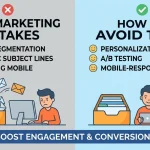
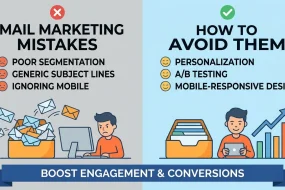
Overwhelming Recipients with Too Many CTAs
Multiple competing CTAs confuse recipients and reduce overall click rates. Focus on one primary action per email, with secondary CTAs used sparingly.
Neglecting Mobile Optimization
With over 60% of emails opened on mobile devices, mobile optimization is crucial. Ensure your emails render correctly on smartphones and tablets with:
- Responsive design
- Readable font sizes
- Easily tappable buttons
- Compressed images for fast-loading
Ignoring List Hygiene
Sending emails to inactive or invalid addresses hurts your sender reputation and skews your click rate calculations. Regularly clean your email list by:
- Removing hard bounces immediately
- Identifying and re-engaging inactive subscribers
- Using double opt-in processes for new subscribers
- Monitoring engagement metrics over time
Leveraging Advanced Technology for Smarter Campaigns
 Modern email marketing has evolved beyond basic segmentation. With AI-Powered Personalization, businesses can analyze subscriber behavior, predict interests, and automatically deliver highly relevant content at scale. Instead of sending the same message to your entire list, advanced systems evaluate browsing history, past purchases, and engagement patterns to tailor subject lines, product recommendations, and send times. This level of intelligent automation not only increases click-through rates but also strengthens customer relationships. By integrating smart technology into your workflow, you reduce guesswork and rely more on real behavioral insights to guide your messaging decisions and overall campaign strategy.
Creating Highly Relevant Subscriber Experiences
Delivering relevant content consistently requires structured Email Personalization Strategies that go beyond inserting a first name into the subject line. Effective personalization includes behavioral triggers, dynamic product suggestions, and content blocks tailored to user preferences. When subscribers feel that emails are designed specifically for them, they are far more likely to engage and click. Relevance also builds long-term trust, making your audience more responsive to future campaigns. By mapping the customer journey and aligning messages with different lifecycle stages, you create a seamless and meaningful communication flow that naturally improves engagement and conversion performance over time.
Using Analytics to Drive Better Decisions
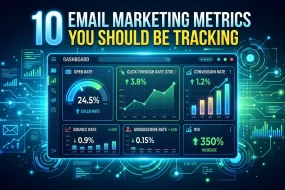
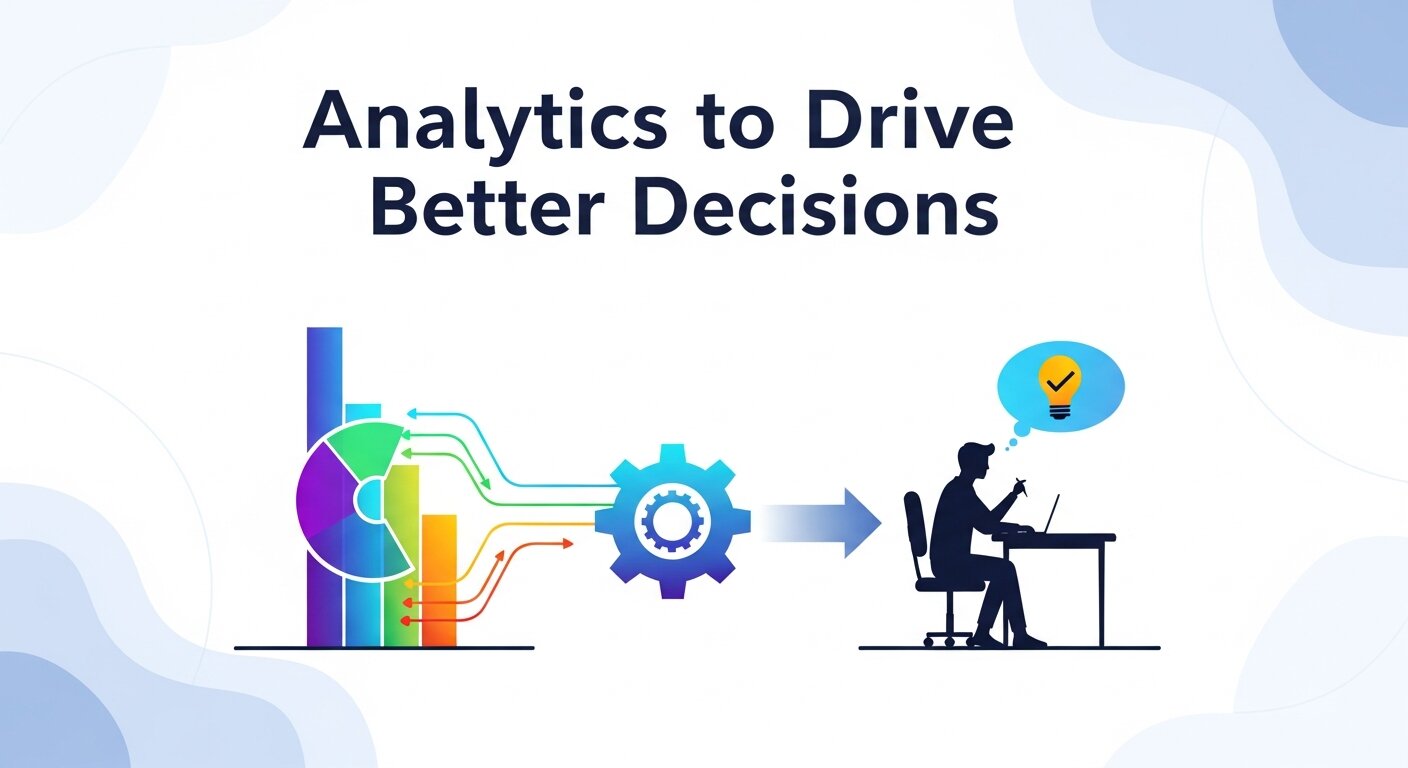 Data should guide every major email marketing decision you make. Leveraging Email Marketing Data allows you to identify patterns in subscriber behavior, understand which campaigns generate the most clicks, and determine what content resonates best with your audience. Metrics such as click-through rate, conversion rate, and engagement trends provide actionable insights rather than assumptions. By consistently reviewing campaign analytics, you can refine subject lines, optimize content layout, and adjust targeting strategies. A data-driven approach ensures that improvements are based on measurable performance indicators, leading to steady growth and more predictable email marketing results.
Strengthening Customer Retention Through Targeted Messaging
Click-through rate improvement is closely tied to customer retention. When subscribers repeatedly receive helpful and relevant content, they are more likely to stay engaged with your brand. Targeted messaging based on past interactions, purchase behavior, and engagement history keeps communication aligned with subscriber expectations. Retention-focused campaigns such as re-engagement sequences, loyalty rewards, and exclusive updates reinforce long-term relationships. Instead of constantly chasing new subscribers, nurturing your existing audience creates higher lifetime value. Sustainable email marketing success comes from building consistent trust and delivering meaningful value at every touchpoint.
Building a Long-Term Optimization Framework
Sustained improvement in click rates requires a structured optimization process. Rather than making random adjustments, establish a consistent testing schedule for subject lines, call-to-action placements, and content formats. Track performance trends over time and document what works for different audience segments. Continuous refinement allows you to identify small gains that compound into significant performance improvements. A long-term framework also prevents reactive decision-making based on short-term fluctuations. By combining strategic planning, ongoing testing, and performance monitoring, you create a stable system that steadily enhances engagement and maximizes the overall impact of your email campaigns.
Taking Action to Improve Your Email Marketing Performance
 Understanding email click rate benchmarks provides a foundation for evaluating your campaigns, but improvement requires consistent effort and strategic thinking. Start by analyzing your current performance against industry benchmarks, then implement targeted improvements based on your specific challenges.
Focus on creating valuable, relevant content that serves your audience’s needs. Test different approaches systematically, measure results carefully, and refine your strategy based on data rather than assumptions.
Remember that email marketing success depends on building genuine relationships with your subscribers. When you consistently provide value and respect your audience’s time and preferences, improved click rates naturally follow.
Monitor your click rates regularly, but don’t let short-term fluctuations derail your long-term strategy. Email marketing performance improves through sustained effort and continuous optimization rather than quick fixes.
Frequently Asked Questions (FAQ)
1. What is a good email click-through rate (CTR)?
A good email click-through rate typically falls between 3% and 5%. Rates above 5% are considered excellent, while 2–3% is average across most industries. However, what qualifies as “good” depends on your industry, audience quality, and campaign goals. It’s more important to consistently improve your own benchmarks over time than to compare yourself strictly to industry averages.
2. What is the difference between click-through rate (CTR) and click-to-open rate (CTOR)?
Click-through rate measures the percentage of delivered emails that received at least one click, while click-to-open rate measures the percentage of opened emails that resulted in a click. CTR reflects overall campaign effectiveness, while CTOR focuses specifically on how engaging your content is after someone opens the email.
3. Why is my email open rate high but click rate low?
A high open rate with a low click rate usually indicates that your subject line is strong but your email content or call-to-action is not compelling enough. This could be due to unclear messaging, weak CTAs, too many competing links, or content that doesn’t match the promise made in the subject line.
4. How can I increase my email click rate quickly?
You can often improve click rates by refining your call-to-action, simplifying your email layout, and focusing on one primary objective per email. Making your CTA visually prominent, using action-driven language, and ensuring your content clearly communicates benefits can lead to noticeable improvements.
5. Does segmentation really improve click rates?
Yes, segmentation significantly improves click rates because subscribers receive content tailored to their interests and behavior. Targeted campaigns often outperform non-segmented emails by a substantial margin, sometimes increasing engagement by 50% or more. Relevant messaging naturally leads to higher interaction.
6. How many links should I include in an email?
Including too many links can overwhelm readers and reduce overall engagement. It’s generally best to focus on one primary call-to-action and limit secondary links. A clear, focused objective helps guide readers toward a single desired action.
7. Does mobile optimization affect click rates?
Absolutely. Since a majority of emails are opened on mobile devices, poor mobile design can significantly reduce clicks. Emails should use responsive layouts, readable font sizes, and buttons large enough to tap easily to ensure a smooth mobile experience.
8. How often should I monitor my click rates?
You should review click rates after every campaign to identify patterns and trends. Regular monitoring allows you to detect performance shifts, evaluate test results, and make data-driven improvements. Over time, tracking trends matters more than analyzing a single campaign in isolation.
9. Can email frequency impact click rates?
Yes, sending emails too frequently can cause fatigue and reduce engagement, while sending too infrequently may cause subscribers to lose interest. Finding the right balance for your audience through testing and feedback helps maintain strong click performance.
10. Should I remove inactive subscribers to improve click rates?
Removing or re-engaging inactive subscribers can improve overall click rate performance and sender reputation. Keeping unengaged contacts on your list lowers engagement metrics and may negatively impact deliverability. Regular list cleaning ensures your data accurately reflects audience interest and activity.


I'm Email Marketer who crafts targeted campaigns that drive engagement, nurture leads, and boost conversions. With a passion for creating personalized email strategies.









No Comments