


Generic blasts no longer work in a crowded digital marketplace. Mastering lifecycle email marketing is essential for modern brands aiming to nurture prospects, drive high-value conversions, and build lasting customer loyalty by delivering the right message at the exact right moment of the user journey.
This comprehensive guide explores advanced lifecycle email marketing frameworks. Discover how to segment user data, build automated welcome streams, optimize mid-funnel engagement, execute powerful win-back campaigns, and leverage robust analytics to maximize long-term customer lifetime value and dramatically increase your brand’s overall digital revenue streams.
Understanding the Core Mechanics of Lifecycle Email Marketing
Lifecycle email marketing represents a sophisticated shift from reactive, one-off broadcast campaigns to proactive, automated customer journey orchestration. Rather than treating every subscriber as an interchangeable entry in a static database, this strategic discipline analyzes user behavior, purchase history, and engagement frequency to deliver tailored communications. When executed with precision, lifecycle email marketing aligns promotional messaging with the customer’s exact psychological state and relationship maturity with the brand. Brands that fail to segment their audiences based on lifecycle stage often suffer from severe subscriber fatigue, leading directly to higher unsubscribe rates, marked spam complaints, and eroding email deliverability. Conversely, organizations embracing automated lifecycle flows experience exponential lifts in open rates, click-through efficiency, and overall revenue per subscriber. This foundational approach requires deep integration between your customer data platforms, CRM databases, and email deployment engine, ensuring that every piece of outbound correspondence reflects real-time behavioral shifts. By treating email as an ongoing conversation rather than an aggressive megaphone, companies can foster genuine brand advocacy and sustainable long-term growth. Integrating robust marketing analytics into this architecture allows teams to measure engagement shifts across cohorts, ensuring that email triggers adapt dynamically to evolving consumer expectations and broader industry trends.
Mapping the Customer Journey and Data Integration
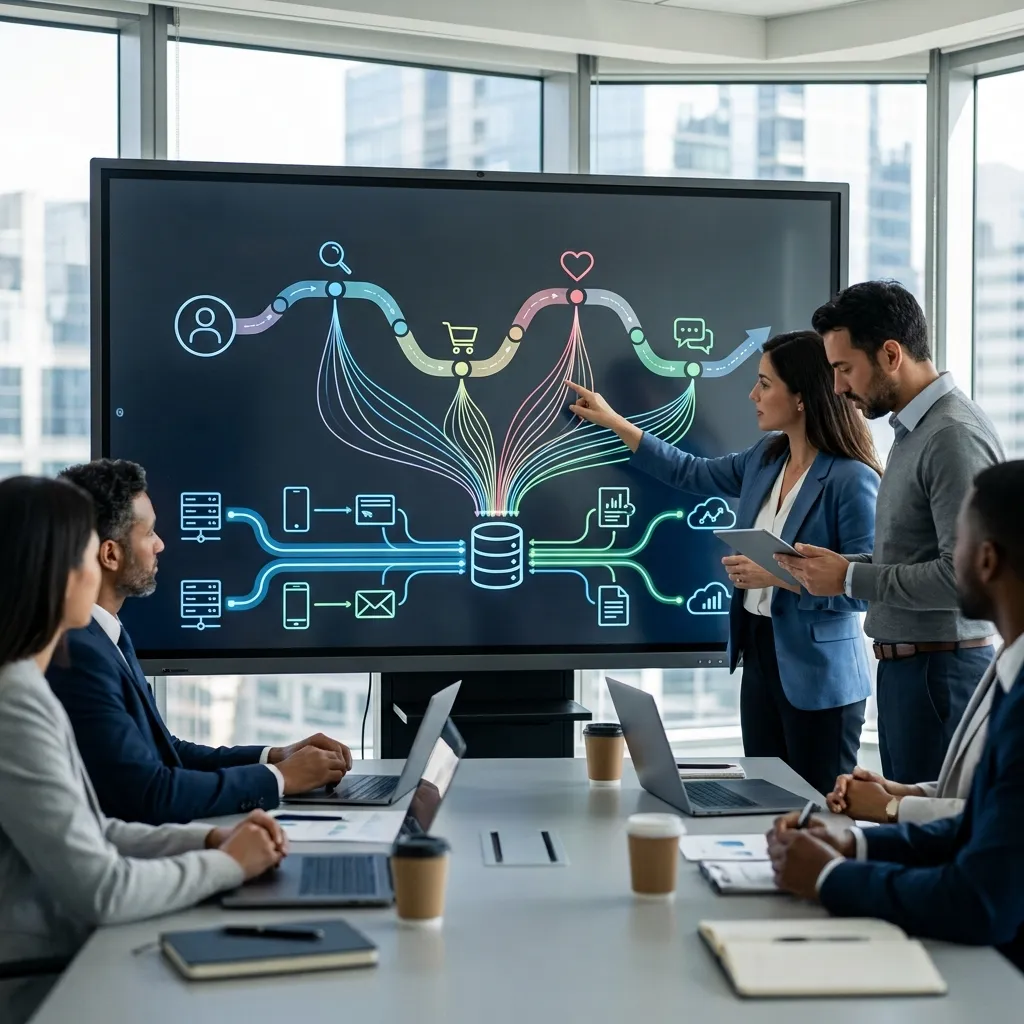
Before deploying automated workflows, mapping the intricate touchpoints of your customer journey is paramount. Data integration serves as the engine powering lifecycle email marketing, unifying disparate information sources such as website browsing patterns, past transaction histories, support ticket interactions, and application usage metrics. Without a centralized data repository, executing cohesive email sequences across multiple lifecycle stages becomes nearly impossible. Marketers must build comprehensive user profiles that dynamically update as the consumer transitions from a casual browser to a loyal brand advocate. In enterprise environments, leveraging automated systems similar to CRM data entry automation ensures that customer records remain pristine, preventing outdated contact data or missing preference tags from disrupting automated messaging flows. Furthermore, aligning these email sequences with broader initiatives like digital transformation helps organizations unify their online and offline communication channels into a seamless, omnichannel ecosystem.
- Data Silo Elimination: Unify customer records across web analytics, CRM systems, and customer support desks to create a single source of truth for email personalization.
- Behavioral Event Tracking: Monitor micro-actions such as feature adoption, cart abandonment, and content downloads to trigger immediate, relevant email workflows.
- Dynamic Segmentation Rules: Establish automated audience segments that shift subscribers between lifecycle stages based on real-time engagement thresholds and purchase recency.
Acquisition and Welcome Series Optimization
The initial interaction sets the tone for the entire customer relationship, making the welcome phase of lifecycle email marketing critically important. When a new user subscribes or creates an account, their attention and receptivity are at an all-time high. Capitalizing on this initial window requires an automated welcome series that delivers immediate value, establishes brand identity, and guides the subscriber toward their first meaningful action or purchase. Abandoning new subscribers with a generic confirmation message squanders a prime opportunity for engagement. According to industry benchmarks published by platforms like Litmus Email Analytics, welcome emails boast significantly higher open and engagement rates than standard promotional broadcasts, making them your most powerful initial touchpoint.
- Immediate Value Delivery: Send the promised incentive, resource, or discount code instantly within the first welcome email to build immediate trust and gratification.
- Brand Narrative Integration: Share your company mission, core values, and unique value proposition over a multi-day email sequence rather than overwhelming the inbox at once.
-
Actionable Onboarding Prompts: Direct new users toward core product features, profile completion steps, or initial setup guides to accelerate time-to-value.
Engagement, Retention, and Nurture Campaigns
Once a subscriber moves past the welcome phase, maintaining consistent momentum requires sophisticated engagement and nurture campaigns. Lifecycle email marketing thrives in this middle stage by delivering personalized content that aligns with the customer’s evolving interests and usage patterns. Rather than pushing constant promotional offers, successful brands provide educational resources, case studies, product update highlights, and community insights that deepen the customer’s connection to the product or service. This middle-of-funnel approach often mirrors advanced strategies used in account-based marketing (ABM), where high-value accounts receive bespoke, highly tailored content designed to address specific operational pain points. Maintaining high engagement during this phase directly combats silent churn and keeps your brand top-of-mind when purchasing or renewal windows open.
- Behavior-Triggered Content: Deploy educational tutorials or advanced usage tips automatically triggered by the customer’s specific feature adoption or browsing history.
- Milestone Celebration Emails: Acknowledge customer anniversaries, completed milestones, or usage streaks to foster positive emotional resonance and brand loyalty.
- Personalized Product Recommendations: Utilize collaborative filtering and past purchase data to suggest complementary items or services that genuinely add utility.
Win-Back Strategies and Churn Prevention

Even the most robust engagement frameworks cannot prevent every subscriber from going dormant. Implementing proactive win-back strategies is an essential component of lifecycle email marketing to rescue fading relationships before permanent churn occurs. When a customer stops opening emails, logging into the platform, or making repeat purchases, automated re-engagement workflows must activate. These campaigns should acknowledge the absence, remind the user of core value propositions, and occasionally offer an exclusive incentive to reignite their interest. Research from organizations such as HubSpot Retention Data highlights that database decay naturally erodes contact lists over time, making targeted win-back and re-engagement sequences an exceptionally high-ROI initiative to protect sender health. Simultaneously, analyzing leading indicators of churn allows marketing and product teams to intervene before silence sets in. By identifying patterns such as declining login frequency or support ticket spikes, organizations can deploy targeted retention emails that address specific friction points. A well-crafted win-back sequence not only recovers valuable revenue but also provides critical qualitative feedback when unengaged subscribers choose to unsubscribe, helping brands continually refine their overall messaging architecture.
Advanced Analytics, Measurement, and Attribution
Optimizing your email program requires moving beyond vanity metrics like open rates and click-through rates toward deep revenue attribution and holistic marketing analytics. Advanced lifecycle email marketing relies on robust tracking frameworks that connect email interactions directly to closed sales, customer lifetime value, and reduced churn rates. Marketers must evaluate performance across every individual stage of the funnel, identifying where drop-offs occur and measuring the exact return on investment for each automated workflow. Multi-touch attribution models help quantify how email assists other acquisition and retention channels, ensuring budgets and creative resources are allocated efficiently. Furthermore, continuous A/B testing of subject lines, preview text, email layout, and call-to-action placement provides empirical data to refine campaign performance continuously. By establishing executive dashboards that track cohort retention, revenue per recipient, and unsubscription velocities, organizations can transform their email marketing operations from tactical broadcast tools into strategic revenue-driving powerhouses.
Lifecycle Stage Comparison Matrix
| Lifecycle Stage | Primary Objective | Key Email Automation Trigger | Target Metric to Optimize |
| Acquisition & Welcome | Onboard new subscribers & establish trust | Account creation / newsletter signup | Initial open rate & time-to-first-purchase |
| Engagement & Nurture | Deliver value & drive product adoption | Feature usage milestones & browsing behavior | Click-through rate & active usage frequency |
| Retention & Expansion | Encourage repeat purchases & upselling | Renewal dates & milestone anniversaries | Customer lifetime value & repeat purchase rate |
| Win-Back & Reactivation | Reclaim dormant users before final churn | 60-day inactivity threshold | Reactivation rate & unsubscribe suppression |
Common Mistakes to Avoid in Lifecycle Email Campaigns
Executing automated email workflows requires meticulous planning to prevent operational errors that can damage sender reputation and alienate subscribers. Avoiding these common strategic pitfalls ensures your messaging remains relevant, respectful, and effective.
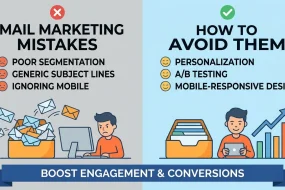
Over-Mailing Active Subscribers: Bombarding highly active users with multiple daily promotional emails while simultaneously ignoring inactive segments creates severe inbox fatigue and spikes unsubscribe rates.
Neglecting Mobile Device Rendering: Failing to test email templates across various mobile screen sizes and email clients results in broken layouts, unclickable buttons, and immediate message deletion.
Relying on Static Segmentation: Grouping all subscribers into broad demographic buckets instead of leveraging dynamic behavioral triggers makes emails feel impersonal and irrelevant.
Ignoring Deliverability Health: Sending high volumes of unengaged emails to dormant addresses damages your domain sender score, pushing valuable lifecycle emails straight into spam folders.
Pro Tips and Expert Insights for Advanced Email Marketers

Achieving extraordinary results with your email channel requires adopting innovative, data-driven methodologies that elevate standard automation into a true competitive advantage. Industry leaders leverage sophisticated techniques to maximize inbox placement and revenue generation.
- Implement Send-Time Optimization: Utilize machine learning algorithms provided by modern ESPs to deliver lifecycle emails at the exact hour and minute each individual subscriber is most likely to check their inbox.
- Deploy Interactive AMP Emails: Incorporate interactive elements such as carousels, direct checkout forms, and live feedback surveys directly inside the email body, eliminating friction by keeping users engaged without requiring a browser redirect.
- Combine Email with Omnichannel Triggers: Synchronize your email sequences with retargeting ads and push notifications to create a cohesive, multi-channel customer journey that reinforces your core value proposition across every digital touchpoint.
Conclusion
Mastering lifecycle email marketing empowers brands to nurture relationships, reduce churn, and maximize customer lifetime value through personalized, data-driven automation. By aligning messaging with every stage of the customer journey, organizations unlock unprecedented engagement and revenue growth. Implement these strategies today and watch your conversion rates soar.
Frequently Asked Questions
1. What is lifecycle email marketing and why is it important?
Lifecycle email marketing is the practice of sending targeted, automated emails based on where a customer is in their relationship with a brand. It is important because it delivers relevant content tailored to individual behaviors, drastically increasing engagement, conversion rates, and long-term customer retention compared to generic email blasts.
2. How do I segment my audience for lifecycle email campaigns?
Audience segmentation for lifecycle campaigns is achieved by analyzing user data such as purchase history, website browsing activity, account creation dates, feature adoption rates, and engagement frequency. This ensures subscribers receive messages matching their specific intent and relationship stage.
3. What types of automated flows are essential for every brand?
Essential automated flows include a welcome series for new subscribers, an abandoned cart or browse abandonment sequence for e-commerce, an onboarding sequence for SaaS applications, post-purchase follow-up emails, and a win-back campaign for dormant users.
4. How often should I send lifecycle emails to my subscribers?
Sending frequency depends entirely on user behavior and engagement levels. Active users can handle more frequent touchpoints, while inactive segments should receive fewer, highly targeted messages to prevent subscriber fatigue and maintain high email deliverability.
5. What metrics should I track to measure email campaign success?
Beyond traditional metrics like open and click rates, you should track revenue per recipient, conversion rate per workflow, customer lifetime value, list growth velocity, and churn rate to evaluate the true financial impact of your email program.
6. How can I reduce subscriber churn using email automation?
You can reduce churn by monitoring leading behavioral indicators of disengagement—such as declining login frequency or support ticket spikes—and automatically triggering targeted re-engagement or educational emails that address user friction points.
7. What is the difference between broadcast emails and lifecycle triggers?
Broadcast emails are one-off manual campaigns sent to an entire list or large segment simultaneously, whereas lifecycle triggers are automated messages sent dynamically to individuals based on specific actions, time elapsed, or behavioral events.
8. How do I prevent my lifecycle emails from landing in spam folders?
To protect inbox placement, maintain clean mailing lists by removing unverified addresses, authenticate your domain using SPF, DKIM, and DMARC protocols, avoid spam-trigger words in subject lines, and ensure consistent sending volumes.
9. What role does personalization play in modern email marketing?
Personalization goes far beyond inserting a subscriber’s first name. Modern personalization involves dynamically swapping product recommendations, content blocks, and special offers based on real-time browsing history and past purchasing behavior.
10. How do I test and optimize my automated email workflows?
Optimize your workflows by running continuous A/B tests on individual elements such as subject lines, preview text, button colors, imagery, and send times, while analyzing multi-touch attribution data to refine campaign performance over time.





No Comments