

Monitoring competitor email marketing provides actionable insights that strengthen your email marketing strategy. It helps identify gaps, inspire ideas, and optimize campaigns while remaining ethical and compliant. Regular competitor analysis ensures your campaigns stay competitive, customer-focused, and high-performing.
Competitor email marketing analysis is a crucial part of any modern email marketing strategy. In today’s highly competitive digital landscape, understanding what your competitors are sending to their subscribers can provide valuable insights into subject line performance, content trends, automation workflows, and overall campaign effectiveness. By learning from these insights, businesses can identify gaps in their own campaigns, adopt proven best practices, and avoid common pitfalls that may reduce engagement or conversions.
Integrating competitor intelligence into your email marketing strategy isn’t about copying—it’s about observing patterns, testing new approaches, and continuously improving your campaigns. From optimizing subject lines to refining email design and content, every detail can influence how subscribers interact with your emails. The following frequently asked questions address key concerns marketers often have when incorporating competitor insights into their email marketing strategy.
Why Monitor Competitor Email Marketing?
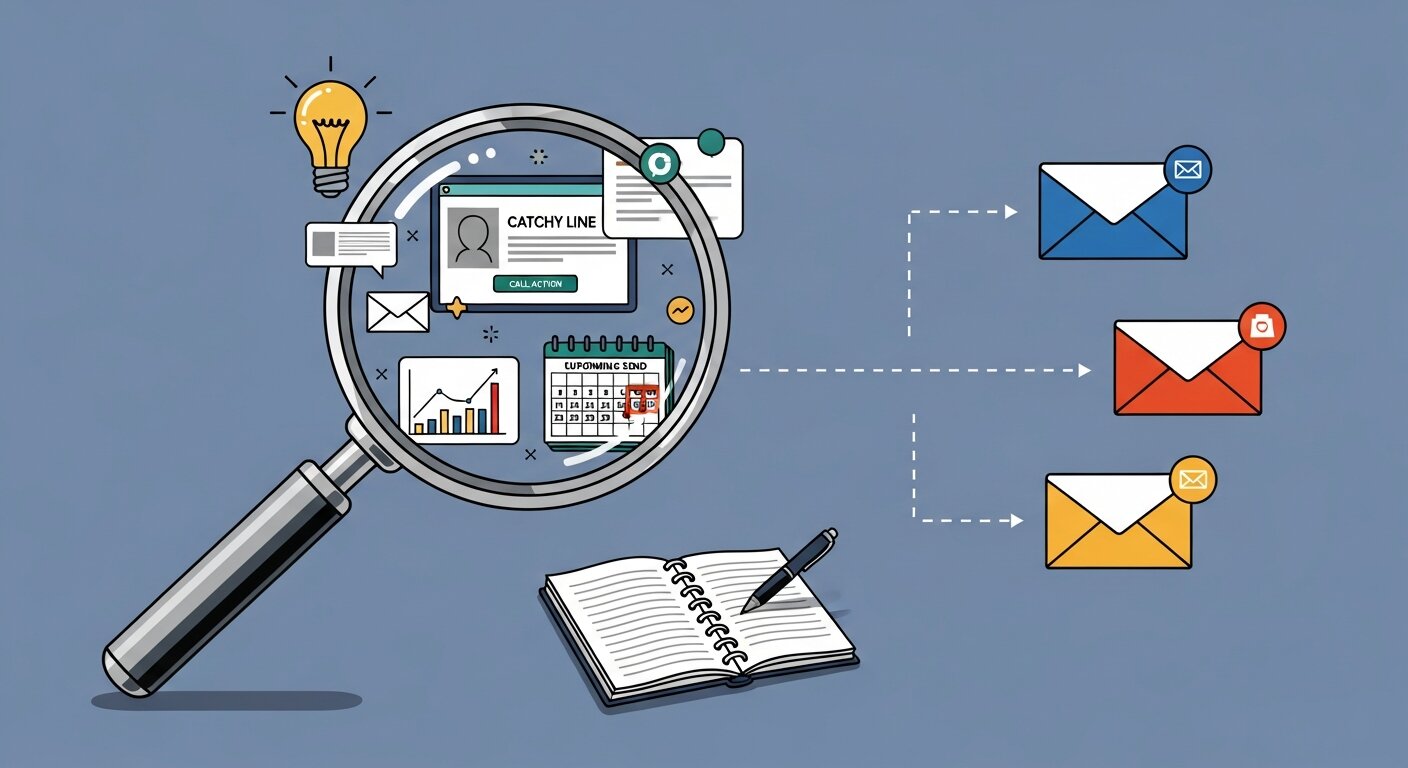 Email marketing remains one of the most effective digital marketing channels, delivering an average ROI of $42 for every dollar spent. Your competitors know this, which is why they are investing heavily in crafting compelling campaigns. By analyzing their campaigns, you can gain insights that directly inform your own email marketing strategy and help you stay ahead in a competitive market.
Studying competitor email marketing allows you to:
- Identify successful subject line patterns and messaging strategies that resonate with audiences.
- Discover new product launches or service announcements before they hit social media.
- Learn about pricing structures, promotional tactics, and limited-time offers.
- Understand their customer journey and automation sequences to enhance your own email marketing strategy.
- Spot content gaps and opportunities that can strengthen your campaigns.
By observing competitors, you can refine your own email marketing strategy to improve engagement, conversions, and overall campaign effectiveness.
Setting Up Your Competitor Intelligence System
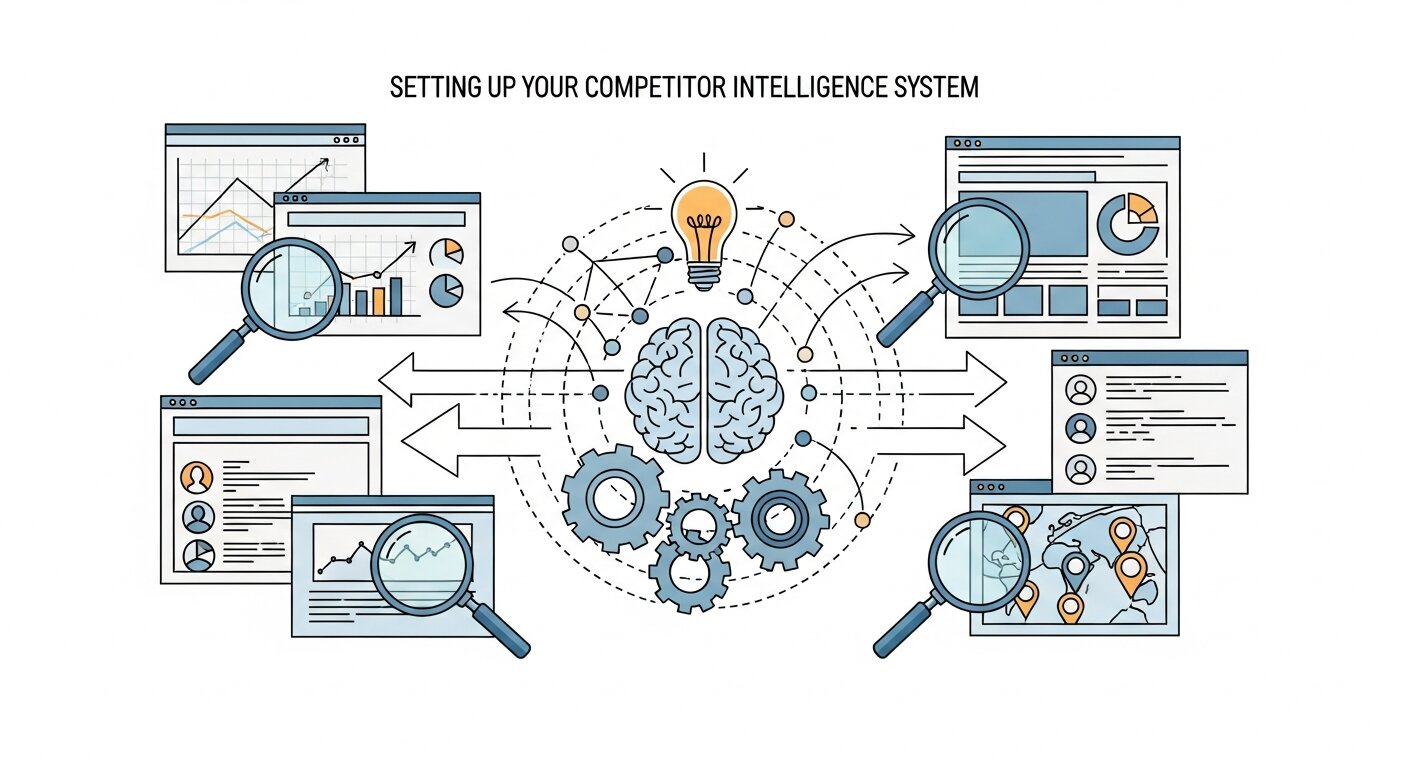 To effectively monitor competitor email marketing, you need a structured approach. Here’s how to set up a system that delivers actionable insights:
Subscribe to Competitor Newsletters
Begin by subscribing to the email lists of your main competitors using a dedicated email address. Create separate folders in your email client for each competitor to keep campaigns organized and easily accessible.
Consider using variations of your name or generic names when signing up. This ensures you blend in with their typical subscriber base and receive the same content as their customers, giving you a true perspective on their email marketing strategy.
Use Multiple Email Addresses
To understand how competitors target different audience segments, create multiple email addresses for testing purposes:
- One for new subscribers
- Another for existing customers (if accessible through platforms)
- A third for abandoned cart scenarios
- Additional addresses for different geographic locations
This segmentation helps you observe how competitors adapt messaging and promotions based on subscriber type, timing, and location, offering valuable insights for your email marketing strategy.
Track Email Frequency and Timing
Create a simple spreadsheet or use a tracking tool to monitor when competitors send emails. Record the day of the week, time of day, and frequency. This data reveals patterns in their scheduling and allows you to optimize your own campaigns. Understanding the timing of competitor emails is a subtle yet crucial component of a successful email marketing strategy.
Analyze Email Content and Structure
Pay attention to the following elements in competitor campaigns:
- Subject lines and preview text
- Personalization techniques
- Call-to-action placement and effectiveness
- Design layout and mobile responsiveness
- Promotional offers and discount messaging
By studying these components, you can incorporate best practices into your own email marketing strategy while avoiding pitfalls seen in competitor campaigns.
Evaluate Automation and Customer Journeys
Competitor emails often reveal automated sequences, such as welcome series, abandoned cart reminders, and loyalty rewards campaigns. Observing these sequences allows you to enhance your own automation workflows, making your email marketing strategy more sophisticated and customer-centric.
Monitoring competitor email marketing is not about copying—it’s about learning, adapting, and improving. Integrating these insights into your email marketing strategy ensures your campaigns remain competitive, relevant, and highly effective.
Competitor Email Analysis: Subject Lines, Design, and Content
A critical part of refining your own email marketing strategy is studying how competitors craft their campaigns. By examining subject lines, email design, content patterns, and the tools they use, you can uncover actionable insights to enhance your results.
Analyzing Subject Lines
Subject lines are the gateway to your email campaigns—they determine whether messages are opened or ignored. To inform your email marketing strategy, carefully analyze competitors’ subject lines for patterns and effectiveness:
- Length and character count: Short and punchy lines often perform better, but longer lines can work if they convey urgency or curiosity.
- Use of emojis or special characters: Evaluate whether symbols enhance engagement or clutter the message.
- Personalization techniques: See if competitors include recipient names, locations, or other personalized elements.
- Urgency and scarcity language: Words like “limited time” or “last chance” can drive higher open rates.
- Question-based vs. statement-based approaches: Determine which style encourages more clicks.
Look for repeated phrases, tone consistency, and high-performing structures. Observing these patterns helps refine your own email marketing strategy, ensuring subject lines resonate with your audience and maximize opens.
Email Design and Layout
The design and structure of an email greatly impact readability, engagement, and conversions. For your email marketing strategy, study how competitors arrange their content:
- Header design and logo placement: Identify how branding is integrated for recognition and trust.
- Color schemes and brand consistency: Note how visual elements reflect the company’s identity.
- Image-to-text ratios: Analyze the balance between visuals and written content.
- Call-to-action (CTA) placement and design: Observe button colors, size, and positioning.
- Mobile responsiveness: Track how emails appear across devices to ensure usability.
Taking screenshots of competitor emails can provide visual references and inspire improvements in your email marketing strategy, particularly in layout and CTA optimization.
Content Strategy Patterns
Understanding the types of content competitors send allows you to identify gaps and opportunities for your own campaigns. Elements to track include:
- Product announcements and launches
- Educational content, tips, and how-tos
- Customer testimonials and reviews
- Behind-the-scenes content
- Seasonal promotions and campaigns
By mapping these themes over time, you gain insight into competitors’ editorial calendars, enabling you to structure your own email marketing strategy with relevant content that engages subscribers consistently.
Tools and Techniques to Enhance Your Email Marketing Strategy
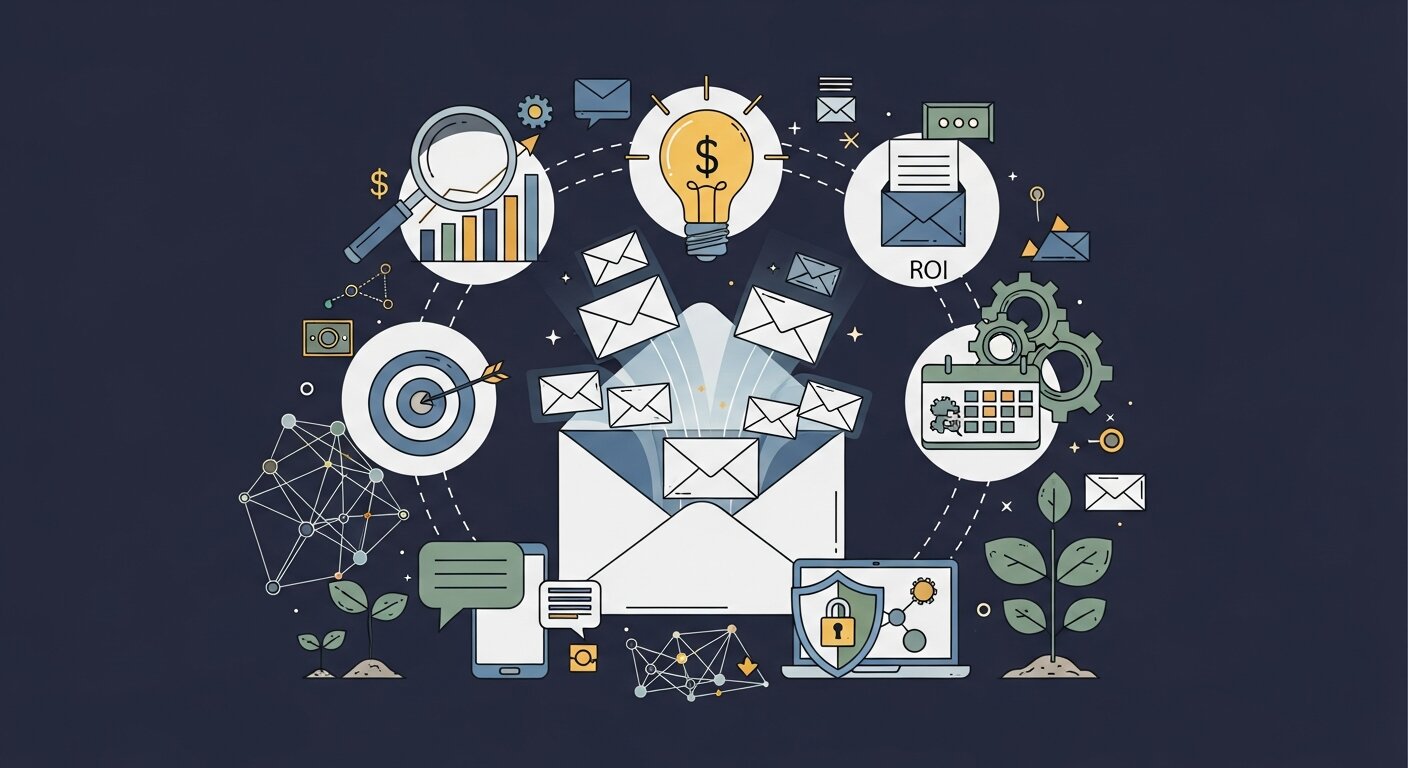
Several tools and approaches can help streamline competitor analysis and strengthen your email marketing strategy. By understanding how competitors design, schedule, and optimize their campaigns, you can identify gaps, discover trends, and refine your own tactics for higher engagement and conversions.
Email Monitoring Platforms
Using dedicated email monitoring platforms is one of the most efficient ways to track competitor campaigns and gather insights for your email marketing strategy:
- Mailcharts: This platform automatically captures competitor emails, organizes them by brand, and allows you to identify trends in subject lines, design, and content structure. It’s a comprehensive tool to benchmark your campaigns against industry standards.
- Moosend: Offers free competitor tracking tools to monitor subject lines, sending frequency, and content themes. By leveraging Moosend, you can enhance your own email marketing strategy with tested and proven practices.
- Really Good Emails: A searchable gallery of email campaigns organized by industry, brand, or email type. It provides inspiration and helps identify which visual and content trends are currently effective, informing your email marketing strategy.
Browser Extensions and Apps
Browser extensions and apps add a technical layer to competitor analysis, giving insight into both content and infrastructure:
-
Snovio Email Finder: Discover the email addresses used in competitor campaigns to better understand targeting and segmentation tactics. This knowledge can help refine your own email marketing strategy by ensuring your campaigns reach the right audiences.
-
WhatRuns: Reveals the email marketing tools and platforms your competitors use, offering insights into automation, analytics, and delivery techniques that could optimize your campaigns.
Social Media Monitoring
Competitor intelligence isn’t limited to email. Many brands share their campaigns or discuss email marketing approaches on social platforms. Observing these mentions can provide context about timing, messaging, and promotional strategies, giving an extra edge to your email marketing strategy.
Incorporating Competitor Insights Into Your Email Marketing Strategy
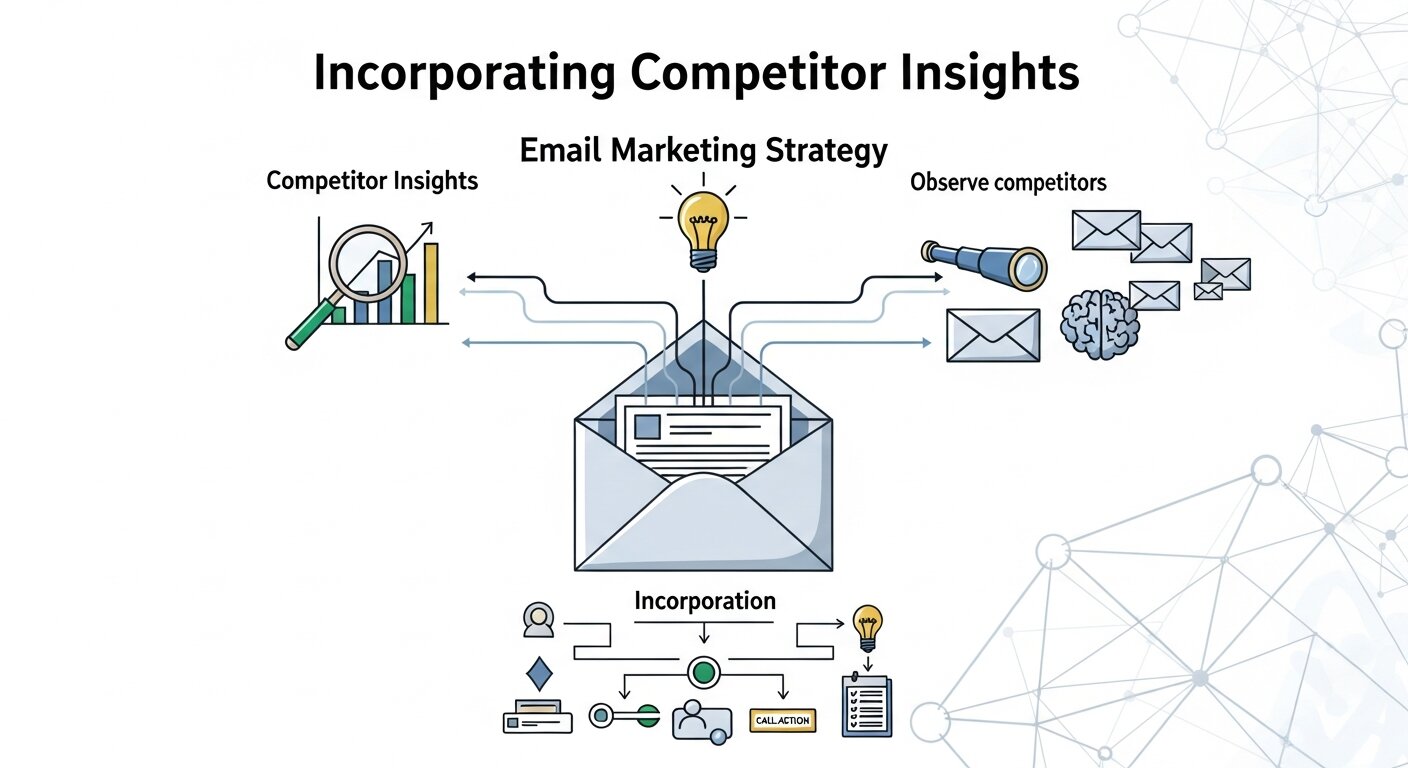 he true value of competitor monitoring comes from turning insights into actionable improvements. By analyzing subject lines, email design, content themes, and sending frequency, you can:
- Identify gaps in your own campaigns, such as content types, automation sequences, or promotional strategies.
- Test new approaches with A/B experiments based on competitor methods.
- Optimize your email calendar by studying competitors’ sending patterns and adjusting your timing for maximum engagement.
Regular competitor analysis allows you to continuously refine and adapt your email marketing strategy, making it more data-driven, customer-focused, and results-oriented.
Legal and Ethical Considerations
Competitor analysis should always remain ethical and legal:
- Stay Within Legal Boundaries: Use real information when subscribing to competitor emails. Avoid false identities or attempts to access private data, and respect unsubscribe requests.
- Avoid Direct Copying: Competitor insights should inspire, not dictate, your campaigns. Directly copying subject lines or content can harm your brand reputation and may violate copyright laws.
- Focus on Learning, Not Stealing: Extract principles, patterns, and structures from competitor campaigns rather than replicating content verbatim. This ensures your email marketing strategy remains original while leveraging proven techniques.
Organizing Your Competitive Intelligence
A systematic approach to managing competitor emails ensures you can consistently derive actionable insights:
- Create a Competitor Email Database: Use folders for each competitor, implement consistent naming conventions, tag emails by campaign type or theme, and document key takeaways.
- Regular Review Schedule: Set weekly or monthly reviews to track new campaigns, changes in messaging, seasonal patterns, and emerging trends. This keeps your email marketing strategy agile and responsive to market shifts.
Turning Insights Into Action
Finally, the goal is to transform competitor analysis into measurable improvements:
- Identify Gaps in Your Strategy: Compare your campaigns to competitors’ to spot missing content types, untested sequences, or untapped timing opportunities.
- Test New Approaches: Use insights to inform A/B tests, such as subject line formats, CTA placement, or personalization techniques.
- Improve Your Email Calendar: Optimize sending times based on competitor patterns to ensure maximum engagement.
By integrating these insights into your campaigns, you build a more effective, adaptable, and competitive email marketing strategy that drives results.
Stay Ahead of the Competition
Monitoring competitor email marketing isn’t a one-time task—it’s a continuous process that should be fully integrated into your overall email marketing strategy. Competitor campaigns provide a wealth of information that, when systematically analyzed, can shape your messaging, timing, and content decisions.
Set Up a Systematic Approach
To make competitor monitoring effective, create systems that automatically capture and organize competitor emails. Use dedicated folders, tagging, and consistent naming conventions to track campaigns by type, frequency, or theme. By doing this, you establish a structured repository of insights that can inform your email marketing strategy over time. Regular review of these emails allows you to identify patterns, emerging trends, and effective tactics that can be adapted to your campaigns.
Spot Opportunities and Avoid Pitfalls
The most successful email marketers don’t just follow trends—they anticipate them. By systematically analyzing your competitors’ approaches, you can:
- Identify high-performing subject line structures and content themes to inspire your own campaigns.
- Detect gaps in competitor offerings that your brand can fill, strengthening your email marketing strategy.
- Recognize common mistakes or underperforming tactics to avoid replicating them.
This proactive approach ensures your email marketing strategy is not reactive but forward-thinking, allowing you to stay ahead of the competition.
Integrate Insights Into Your Strategy
Insights gained from competitor monitoring should directly influence your email marketing strategy. For example:
- Adjust your email calendar based on competitors’ timing patterns.
- Refine your content mix to include educational content, product updates, or promotional campaigns that resonate with your audience.
- Enhance your automation sequences and personalization tactics based on observed best practices.
By continuously incorporating competitor insights, your email marketing strategy becomes more data-driven and results-oriented.
Continuous Improvement
A robust email marketing strategy relies on iterative improvements. Regular competitor analysis helps you test new approaches, optimize subject lines, and fine-tune design and layout for better engagement. Over time, this process strengthens your campaigns, making them more relevant, compelling, and competitive.
Taking Action Today
Start implementing competitor intelligence techniques immediately. Set up tracking systems, review competitor campaigns regularly, and integrate the lessons learned into your email marketing strategy. By doing so, you ensure your campaigns remain strategic, adaptive, and high-performing.
Conclusion
With a consistent focus on competitor insights, your future campaigns will be stronger, more effective, and more aligned with best practices in the industry, ultimately enhancing the overall success of your email marketing strategy.
Incorporating competitor email analysis into your email marketing strategy is essential for staying ahead in a crowded inbox. By observing trends, testing new approaches, and continuously refining your campaigns, you can create more engaging, relevant, and effective email campaigns. Competitor insights, when used responsibly, transform your email marketing strategy from reactive to proactive, ensuring sustainable growth and stronger connections with your audience.
Frequently Asked Questions
What is competitor email marketing analysis?
Competitor email marketing analysis involves studying the email campaigns of your competitors to understand their subject lines, content, timing, design, and overall approach. The insights gained can inform your email marketing strategy to improve engagement, conversions, and audience targeting.
Why is competitor analysis important for email marketing strategy?
Competitor analysis helps identify trends, high-performing tactics, and content gaps in your own campaigns. By learning from others, you can refine your email marketing strategy to be more competitive, relevant, and effective.
How can I track competitor emails ethically?
Subscribe to competitor newsletters using real or generic names, maintain organized folders, and never attempt to access private information. Ethical tracking ensures your email marketing strategy remains legally compliant and professional.
What should I focus on when analyzing competitor subject lines?
Focus on length, character count, personalization, urgency, question vs. statement style, and repeated phrases. These insights help improve your own subject line performance and strengthen your email marketing strategy.
How can email design impact my email marketing strategy?
Competitor email design reveals effective layouts, color schemes, image-to-text ratios, CTA placement, and mobile responsiveness. Analyzing these elements helps optimize your email marketing strategy for higher engagement and better conversions.
How do I use competitor content to enhance my campaigns?
Look at the types of content competitors share, such as product announcements, educational content, reviews, behind-the-scenes stories, and seasonal campaigns. Incorporating similar principles into your email marketing strategy ensures your content is relevant and valuable.
What tools are useful for competitor email analysis?
Platforms like Mailcharts, Moosend, Really Good Emails, browser extensions like Snovio and WhatRuns, and social media monitoring tools are excellent for gathering insights that can improve your email marketing strategy.
How often should I monitor competitor emails?
Competitor monitoring is ongoing. Regular reviews—weekly or monthly—allow you to identify trends early, test new ideas, and refine your email marketing strategy continually.
Can competitor analysis replace testing my own campaigns?
No, competitor insights should inform and inspire your campaigns, but A/B testing and analytics of your own emails are essential to validate strategies and optimize your email marketing strategy.
How do I turn competitor insights into actionable strategies?
Use the data to identify gaps, optimize subject lines, test new approaches, improve your email calendar, and enhance personalization. These actions make your email marketing strategy more data-driven, agile, and effective.


I'm Email Marketer who crafts targeted campaigns that drive engagement, nurture leads, and boost conversions. With a passion for creating personalized email strategies.








No Comments