

Email marketing delivers an impressive $42 return for every $1 invested, making it one of the most profitable digital marketing channels available. Yet many business owners struggle to transform their email subscribers into paying customers. The difference between successful email marketers and those who fail lies in understanding how to strategically monetize your list while delivering genuine value.
This guide reveals proven strategies to generate consistent income from email marketing. You’ll learn how to build a quality subscriber base, create compelling content that converts, and implement advanced monetization techniques that turn your email list into a reliable revenue stream.
Building Your Foundation: Quality Over Quantity
Target the Right Subscribers
The most profitable email marketing campaigns start with attracting subscribers who are genuinely interested in your offerings. A smaller list of engaged subscribers will always outperform a massive list of disinterested contacts when it comes to generating revenue.
Create compelling lead magnets that solve specific problems for your target audience. Free guides, checklists, templates, exclusive content, or mini-courses work exceptionally well. When people exchange their email address for something valuable, they’re already demonstrating purchase intent and trust in your expertise.
Consider what challenges your ideal customers face daily. A fitness coach might offer a “7-Day Meal Prep Guide,” while a marketing consultant could provide a “Social Media Content Calendar Template.” The key is addressing real pain points with practical solutions.
Segment Your Audience Strategically
Successful email marketing requires understanding your subscribers’ different needs, behaviors, and stages in the buyer’s journey. Segment your list based on demographics, purchase history, engagement levels, interests, and how they joined your list.
Create separate segments for new subscribers, long-term customers, high-value clients, and inactive subscribers. New subscribers might need educational content and trust-building emails, while existing customers could be ready for premium offers or upsells. This targeted approach significantly improves conversion rates and revenue.
Use behavioral triggers to create dynamic segments. For instance, subscribers who clicked on product links but didn’t purchase might receive a follow-up sequence with testimonials and special offers, while those who made recent purchases could get complementary product recommendations.
Core Email Marketing Monetization Strategies
Promote Your Products and Services Effectively
Direct product promotion is the most straightforward way to earn money from email marketing. However, success depends on balance and timing. Your emails should provide value first, with promotional content feeling natural and helpful rather than pushy.
Follow the 80/20 rule: 80% of your emails should focus on valuable content, while 20% can be directly promotional. This keeps your audience engaged while still driving sales consistently.
Share customer success stories, behind-the-scenes content, and educational material that position your products as solutions to your subscribers’ problems. When you do promote, explain the benefits clearly and include compelling calls-to-action that create urgency without being manipulative.
Leverage Affiliate Marketing Opportunities
Affiliate marketing allows you to earn commissions by promoting other companies’ products to your email list. Choose products that align perfectly with your audience’s interests and needs. Your recommendations should feel authentic and trustworthy.
Only promote products you’ve personally used or thoroughly researched. Your subscribers trust your recommendations, so maintaining that trust is crucial for long-term success. Include honest reviews and explain specifically why you believe the product will benefit your audience.
Start with one or two affiliate partnerships rather than overwhelming your subscribers with multiple promotions. Track which products generate the most clicks and conversions, then focus on similar offerings that provide genuine value.
Create Exclusive Subscriber Benefits
Email subscribers often expect special treatment in exchange for their contact information. Provide exclusive discounts, early access to new products, subscriber-only content, or special perks that make people feel valued.
Limited-time offers create urgency and can drive immediate sales. Flash sales, weekend specials, or member-only pricing can boost revenue while rewarding subscriber loyalty. However, use these tactics sparingly to maintain their effectiveness.
Consider creating a subscriber-only Facebook group, hosting monthly Q&A sessions, or providing premium content that’s not available anywhere else. These value-adds strengthen the relationship and justify staying subscribed.
Making Email Marketing Easy to Start
Many business owners delay email marketing because they believe it is complex or expensive. In reality, modern tools have made email marketing accessible for beginners and small teams alike. User-friendly platforms offer drag-and-drop editors, pre-built templates, and simple automation workflows that reduce the learning curve. Even without technical expertise, businesses can launch effective campaigns in a short time. Accessibility also means affordability—most tools offer free or low-cost plans that scale as your list grows. When email marketing feels easy to manage, consistency improves. This allows marketers to focus more on content quality, relationship building, and long-term monetization instead of struggling with setup and technical hurdles.
Using Insights to Improve Performance
Data plays a critical role in successful email campaigns. By analyzing open rates, clicks, and conversions, marketers gain a clearer picture of subscriber behavior. Email marketing data helps identify what content resonates, which offers convert best, and when subscribers are most active. These insights remove guesswork and allow smarter decision-making. Instead of sending generic messages, marketers can refine timing, messaging, and targeting. Over time, data-driven adjustments lead to higher engagement and better results. Businesses that regularly review and act on performance data are more likely to improve campaign efficiency and maximize long-term revenue potential from their email lists.
Turning Engagement Into Consistent Income
Generating income from email campaigns requires more than occasional promotions. A structured approach helps transform engagement into predictable earnings. By aligning content with subscriber needs and introducing offers at the right time, businesses can steadily increase email marketing revenue. Trust plays a key role—subscribers are more willing to buy when they feel understood and supported. Consistent value delivery, combined with relevant product recommendations, builds confidence and encourages repeat purchases. Over time, email becomes a reliable sales channel rather than a one-off tactic. This consistency allows businesses to forecast income more accurately and invest confidently in future growth strategies.
Strengthening Long-Term Subscriber Loyalty
Revenue growth is closely tied to subscriber loyalty. When subscribers feel valued, they stay engaged longer and are more likely to purchase repeatedly. Loyalty is built through helpful content, honest communication, and realistic expectations. Avoid overloading inboxes with constant sales messages. Instead, balance education, inspiration, and promotion. Long-term subscribers often become brand advocates, sharing emails and recommending products to others. This organic growth strengthens list quality without additional acquisition costs. By focusing on relationship-building rather than quick wins, businesses create a sustainable email ecosystem that supports both customer satisfaction and ongoing monetization.
Advanced Email Marketing Revenue Strategies
Develop Premium Email Content
Consider creating a paid newsletter or premium email tier for your most dedicated subscribers. People who pay for content are highly engaged and more likely to invest in additional products and services. This creates a recurring revenue stream while building a community of dedicated followers.
Premium content could include advanced tutorials, exclusive interviews, detailed market analysis, early access to your expertise, or behind-the-scenes content that’s not available to free subscribers.
Price your premium content appropriately. Research what similar creators in your niche charge and consider starting with a lower price point to build momentum before gradually increasing rates.
Form Strategic Business Partnerships
Collaborate with businesses that serve your audience but aren’t direct competitors. Cross-promotions, joint ventures, and partnership deals can expand your reach while providing additional revenue streams.
For example, if you serve small business owners, you might partner with an accounting software company or business coach to offer complementary services to your email list. These partnerships can include revenue sharing, cross-promotion, or joint product creation.
Host Webinars and Virtual Events
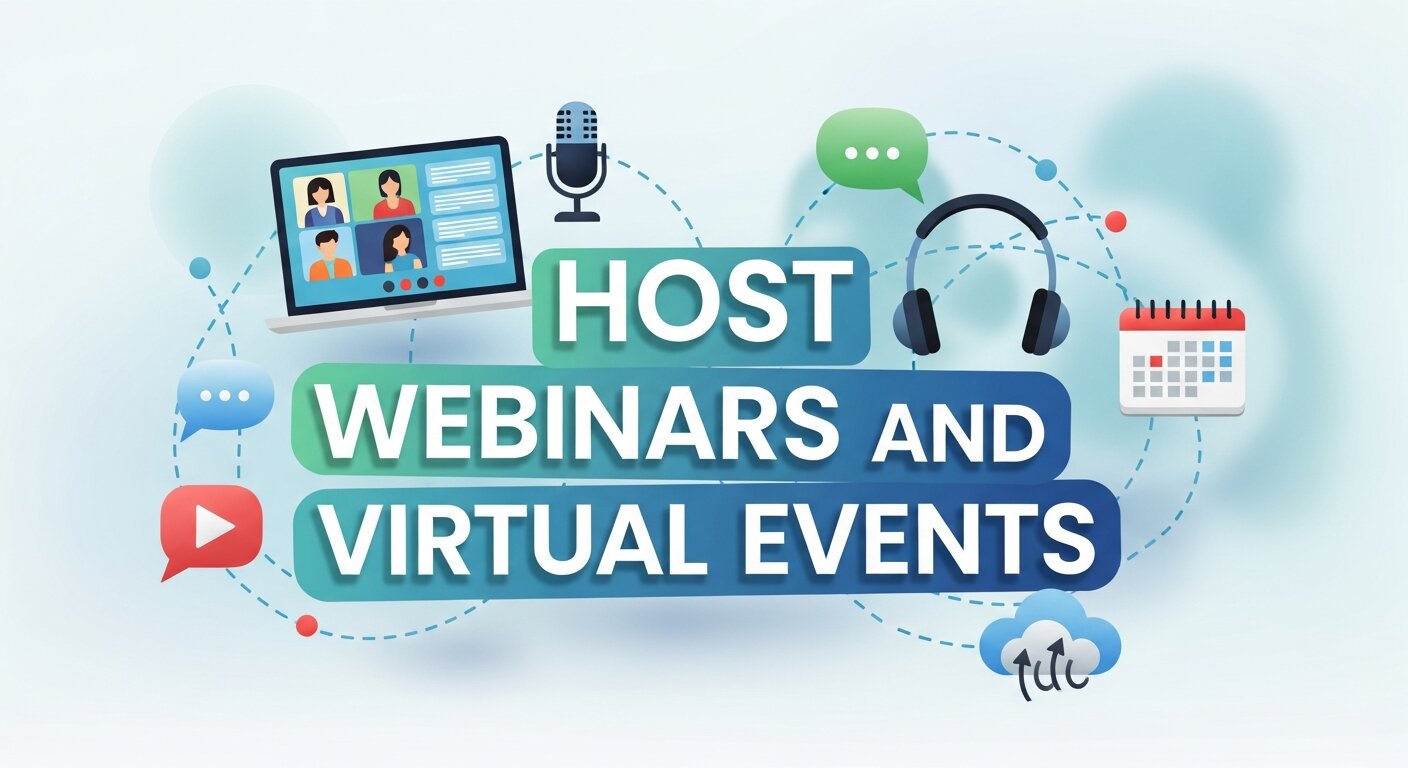
Use your email list to promote webinars, online workshops, or virtual events. These can be free value-adds that build trust and authority, or paid events that generate direct revenue.
Webinars are particularly effective for selling higher-priced products or services because they allow for real-time interaction and demonstrate your expertise. Use your email list to promote these events and follow up with attendees who didn’t purchase.
Optimizing Your Email Marketing Content
Write Compelling Subject Lines
Your subject line determines whether your email gets opened, making it the most critical element of your email marketing strategy. Create curiosity without being clickbait. Use personalization, urgency, and benefit-focused language that speaks directly to your audience’s needs.
A/B test different approaches to see what resonates with your specific audience. What works for one business might not work for another, so continuous testing is essential for maximizing open rates and revenue.
Craft Engaging Email Content
Your email content should be conversational, valuable, and action-oriented. Write like you’re talking to a friend, not delivering a corporate presentation. Share personal stories, insights, and practical tips that subscribers can implement immediately.
Keep paragraphs short and use bullet points or numbered lists to improve readability. Include clear calls-to-action that tell subscribers exactly what you want them to do next, whether that’s making a purchase, reading a blog post, or sharing content with others.
Implement Email Automation
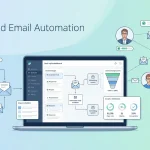
Email automation allows you to earn money while you sleep by delivering targeted messages at optimal times. Set up welcome sequences for new subscribers, abandoned cart reminders for e-commerce, and nurture sequences that guide prospects through your sales funnel.
A well-designed email sequence can turn a single lead into multiple sales over time. Create automated workflows that deliver value consistently while introducing your products and services at strategic moments throughout the customer journey.
Measuring and Improving Your Results
Track Essential Metrics
Monitor open rates, click-through rates, conversion rates, and revenue per email to understand what content resonates with your audience and which strategies generate the most income.
Pay attention to which emails drive the highest engagement and revenue. Use this data to create more of what works and eliminate what doesn’t. Revenue per email is often more important than vanity metrics like list size.
Test and Optimize Continuously
A/B test different elements of your emails, including subject lines, content formats, send times, and calls-to-action. Small improvements can lead to significant revenue increases over time.
Test one element at a time to get clear results. Start with subject lines since they have the biggest impact on open rates, then move on to testing content formats, send times, and call-to-action buttons.
Transform Your Email List Into Revenue Today
Email marketing offers immense potential for generating consistent income when executed correctly. Focus on building genuine relationships with your subscribers while providing value at every touchpoint. The businesses that succeed with email marketing understand that trust and value come first, with revenue following naturally.
Start by implementing one or two strategies from this guide. Build your email list with targeted lead magnets, segment your audience based on their needs and behaviors, and create a content calendar that balances value with promotional messages. As you gain experience and see results, gradually add more advanced monetization techniques.
Remember that sustainable email marketing revenue comes from serving your audience’s needs consistently. When you help your subscribers solve problems and achieve their goals, they’ll gladly invest in your products and services, creating a win-win relationship that benefits everyone involved.
FAQ: Making Money with Email Marketing
1. How long does it take to make money from email marketing?
The timeline varies based on your niche, list quality, and strategy. Some businesses see results within weeks if they already have an engaged audience, while others may take a few months. Consistency, segmentation, and value-driven content significantly speed up monetization.
2. Do I need a large email list to generate revenue?
No. A small, highly engaged email list often generates more revenue than a large, inactive one. Focus on attracting the right subscribers who are interested in your products or services rather than chasing list size.
3. What is the best way to monetize a new email list?
For new lists, start by building trust through educational and helpful content. Soft promotions such as low-cost products, affiliate offers, or exclusive subscriber discounts work well once engagement is established.
4. How often should I send promotional emails?
A balanced approach works best. Many marketers follow the 80/20 rule—80% value-driven content and 20% promotional emails. This keeps subscribers engaged without feeling overwhelmed or sold to constantly.
5. Is affiliate marketing effective through email?
Yes, affiliate marketing can be highly effective when products are relevant and genuinely helpful. Transparency and trust are key—only recommend products you believe in to maintain long-term credibility with your audience.
6. Can email automation really generate passive income?
Email automation can create semi-passive income by nurturing leads and promoting offers automatically. While it requires upfront setup and regular optimization, it can consistently generate revenue without daily manual effort.
7. What metrics matter most for email marketing revenue?
Key metrics include open rates, click-through rates, conversion rates, and revenue per email. Revenue-focused metrics provide better insight than vanity metrics like total subscribers.


I'm Email Marketer who crafts targeted campaigns that drive engagement, nurture leads, and boost conversions. With a passion for creating personalized email strategies.






No Comments