

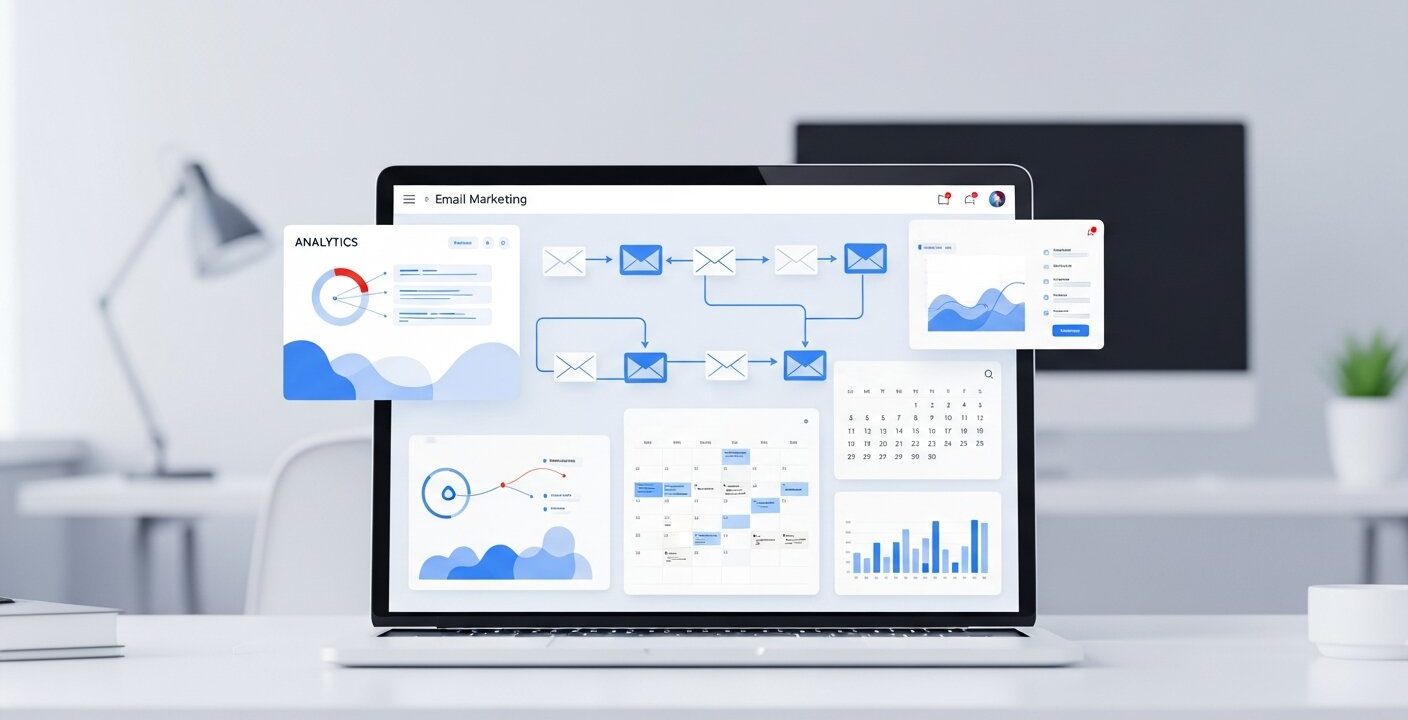
Hitting the send button on an email newsletter can feel exhilarating and nerve-wracking all at once. You spend hours crafting the perfect message, selecting the right images, and double-checking your links. But the real work begins long before you draft the first sentence and continues long after the message lands in an inbox.
Effective email marketing campaign management is the backbone of any successful digital strategy. It requires a careful balance of creativity, technical setup, and data analysis. When executed correctly, email remains one of the highest-converting channels available to marketers.
Understanding the mechanics of building, launching, and analyzing your broadcasts allows you to connect meaningfully with your audience. This guide covers everything you need to know about setting up your systems, engaging your subscribers, and driving measurable business results.
How to Manage Email Marketing Campaigns

Managing an email marketing strategy goes far beyond simply writing messages. It involves coordinating moving parts like audience growth, content creation, design, and scheduling. A successful manager maps out the entire journey, ensuring every message aligns with broader business goals.
To keep things organized, establish a clear calendar that outlines exactly what you will send and when. This prevents subscriber fatigue and ensures you have enough time to prepare high-quality assets. You must also assign clear responsibilities if you work with a team, ensuring copywriters, designers, and strategists are all on the same page.
To improve execution quality, it helps to study how professionals structure their workflows in guides like email marketing made simple.
Effective Email Marketing Workflow Setup
An effective email marketing workflow setup eliminates last-minute panic. Start by outlining a standard operating procedure for every message you send. This should include initial brainstorming, drafting the copy, building the email in your platform, testing links, and receiving final approval.
By documenting this process, you create a repeatable system. Use project management software to track tasks and set internal deadlines a few days ahead of the actual send date. This buffer gives you time to fix broken links or correct formatting issues before your audience sees the message.
To go deeper into automation systems that support workflows, this resource on email marketing automation is especially helpful.
Email Marketing List Segmentation Tips

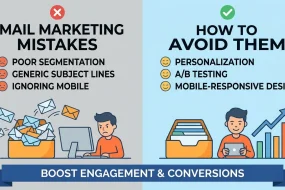
Treating your entire audience as a single, uniform group is a common mistake. People subscribe to your list for different reasons, and they have varying interests. By dividing your audience into smaller, targeted groups, you can send highly relevant content that resonates deeply.
Start with basic demographic data like location or job title. Then, move to behavioral segmentation. Group subscribers based on their past interactions with your brand, such as previous purchases, website visits, or engagement with past emails. Sending a targeted offer to a segment of highly engaged buyers will yield far better results than blasting a generic promotion to your entire database.
Email Marketing Automation Strategies
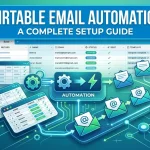
Sending every message manually is unsustainable as your business grows. Email marketing automation strategies allow you to nurture leads and engage customers around the clock. By setting up triggers based on user actions, you ensure the right person gets the right message at exactly the right time.
A welcome series is the most critical automation you can build. When someone joins your list, they are highly engaged. Use an automated sequence to introduce your brand, share your best content, and offer a special discount. Other powerful automations include abandoned cart reminders, birthday messages, and re-engagement campaigns for inactive subscribers.
If you’re setting up automation for the first time, this guide on email marketing automation explained provides a strong foundation.
B2B Email Marketing Campaign Strategies

Selling to other businesses requires a different approach than selling directly to consumers. B2B email marketing campaign strategies must account for longer sales cycles and multiple decision-makers. Your primary focus should be building trust and establishing industry authority.
Provide immense value through educational content. Share whitepapers, case studies, and industry reports that help your prospects solve their specific operational challenges. Keep your tone professional and focus heavily on logical benefits, such as cost savings and efficiency gains, rather than purely emotional appeals.
How to Improve Email Marketing Open Rates
An incredible email means nothing if nobody opens it. To improve email marketing open rates, you must focus entirely on the elements your subscriber sees before they click: the sender name, the subject line, and the preview text.
Use a recognizable sender name, such as a specific person at your company, to build a personal connection. Keep your subject lines short, compelling, and free of spammy keywords. A great subject line creates curiosity or offers a clear benefit. Finally, use the preview text to expand on the subject line, giving the reader a secondary reason to open the message.
Optimize Email Campaigns for Conversions
Getting an open is only the first step. To optimize email campaigns for conversions, your email body must drive the reader toward a single, clear action. Do not clutter your message with multiple competing links. Decide on one primary goal for the campaign and build your content around it.
Make your call-to-action (CTA) highly visible. Use a contrasting button color and action-oriented text. Instead of a generic “Click Here,” use specific phrasing like “Download Your Guide” or “Shop the Sale.” Ensure the landing page you link to closely matches the promise made in the email to provide a seamless user experience.
Email Campaign Tracking and Analytics
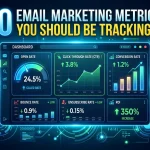
You cannot improve what you do not measure. Proper email campaign tracking and analytics reveal exactly how your audience responds to your efforts. Pay close attention to your open rates, click-through rates, and conversion rates to gauge immediate success.
However, you must also monitor negative metrics. A sudden spike in unsubscribe rates or spam complaints indicates a problem with your frequency or content relevance. Regularly review these numbers to adjust your strategy, run A/B tests on underperforming campaigns, and continually refine your approach based on hard data.
Tools for Email Marketing Campaign Management
Choosing the right software plays a major role in the success of your email strategy, as it directly affects how efficiently you can plan, execute, and analyze campaigns. The best tools for email marketing campaign management go beyond simple email sending—they provide advanced features like drag-and-drop builders, marketing automation workflows, audience segmentation, A/B testing, and real-time performance analytics that help you make data-driven decisions.
It is also important to select a platform that integrates smoothly with your existing tools, such as CRM systems, e-commerce platforms, and analytics dashboards, so you can maintain a unified marketing ecosystem. Well-known solutions like Mailchimp and MailerLite are ideal for beginners due to their simplicity, while more advanced platforms such as ActiveCampaign, HubSpot, and Klaviyo offer deeper automation, personalization, and reporting features for scaling businesses.
Ultimately, selecting the right tools for email marketing campaign management ensures better workflow efficiency, improved targeting, and stronger campaign performance, allowing you to grow and optimize your email marketing efforts more effectively over time.
Email Campaign Management Best Practices
Frequently Asked Questions
What is email marketing campaign management?
It is the process of planning, creating, executing, and analyzing marketing emails sent to a list of subscribers to achieve specific business goals.
How often should I send marketing emails?
The ideal frequency depends on your industry and audience expectations. Generally, sending one to four emails per month is a safe starting point. Monitor your engagement metrics to see if you can increase the frequency safely.
What is the best day to send marketing emails?
Historically, Tuesdays and Thursdays show strong engagement rates. However, the true best day depends entirely on your specific audience’s habits. Test different days to see what works for your list.
What does A/B testing mean in email marketing?
A/B testing involves sending two slightly different versions of an email to a small portion of your list to see which performs better, then sending the winning version to the rest of the subscribers.
What is the difference between a hard bounce and a soft bounce?
A hard bounce occurs when an email address is invalid or permanently closed. A soft bounce is a temporary delivery failure, often caused by a full inbox or a server issue.
How do I stop my emails from going to the spam folder?
Maintain a clean subscriber list, avoid using excessive exclamation points or ALL CAPS, authenticate your sending domain, and ask subscribers to add you to their safe sender list.
What is considered a good open rate?
Average open rates vary by industry, but generally, an open rate between 15% and 25% is considered healthy and indicates a highly engaged audience.
What is a good click-through rate (CTR)?
A healthy click-through rate usually sits between 2% and 5%. This metric shows how many people found your content compelling enough to take action.
Should I use single opt-in or double opt-in?
Double opt-in requires users to confirm their subscription via a link sent to their inbox. This process results in a higher quality, more engaged list, even if it grows slightly slower than a single opt-in list.
How can I grow my email list organically?
Offer a valuable lead magnet, such as a free ebook, checklist, or discount code, in exchange for an email address. Promote this offer prominently on your website and social media channels.
Is it a good idea to buy an email list?
No. Buying lists violates the terms of service of most email platforms, damages your sender reputation, and results in extremely low engagement since those people did not explicitly ask to hear from you.
What is list scrubbing?
List scrubbing is the routine practice of identifying and removing inactive subscribers or invalid email addresses from your database to improve overall deliverability and engagement rates.
Are plain text emails better than HTML emails?
Both have their place. HTML emails are visually engaging and great for products. Plain text emails feel more personal and often have slightly better deliverability rates. Test both formats with your audience.
What is a drip campaign?
A drip campaign is an automated sequence of pre-written emails sent to subscribers on a specific schedule, often triggered by a specific action like signing up or making a purchase.
How much does email marketing software cost?
Pricing varies widely based on the size of your list and the features you need. Many platforms offer free plans for beginners, while enterprise solutions can cost hundreds or thousands of dollars per month.
Next Steps for Your Email Strategy
Mastering Email Marketing Campaign management requires consistent effort, strategic planning, and a data-driven mindset. Start by reviewing your existing email setup to understand what is working and what needs improvement. Identify gaps in your automations, refine your audience segmentation, and ensure your overall workflow supports timely, relevant, and personalized communication that keeps subscribers engaged throughout their journey.
A successful Email Marketing Campaign also depends on continuous testing and optimization. Experiment with subject lines, content formats, sending times, and audience segments to discover what drives the highest open and click-through rates. By analyzing performance data regularly, you can make smarter decisions that improve long-term results.
By focusing on subscriber needs and consistently improving your Email Marketing Campaign strategy, you can build a system that generates stronger engagement, better customer relationships, and increased revenue. Start with small improvements, measure your outcomes carefully, and gradually scale your efforts as you learn what resonates most with your audience.


I'm Email Marketer who crafts targeted campaigns that drive engagement, nurture leads, and boost conversions. With a passion for creating personalized email strategies.




No Comments