

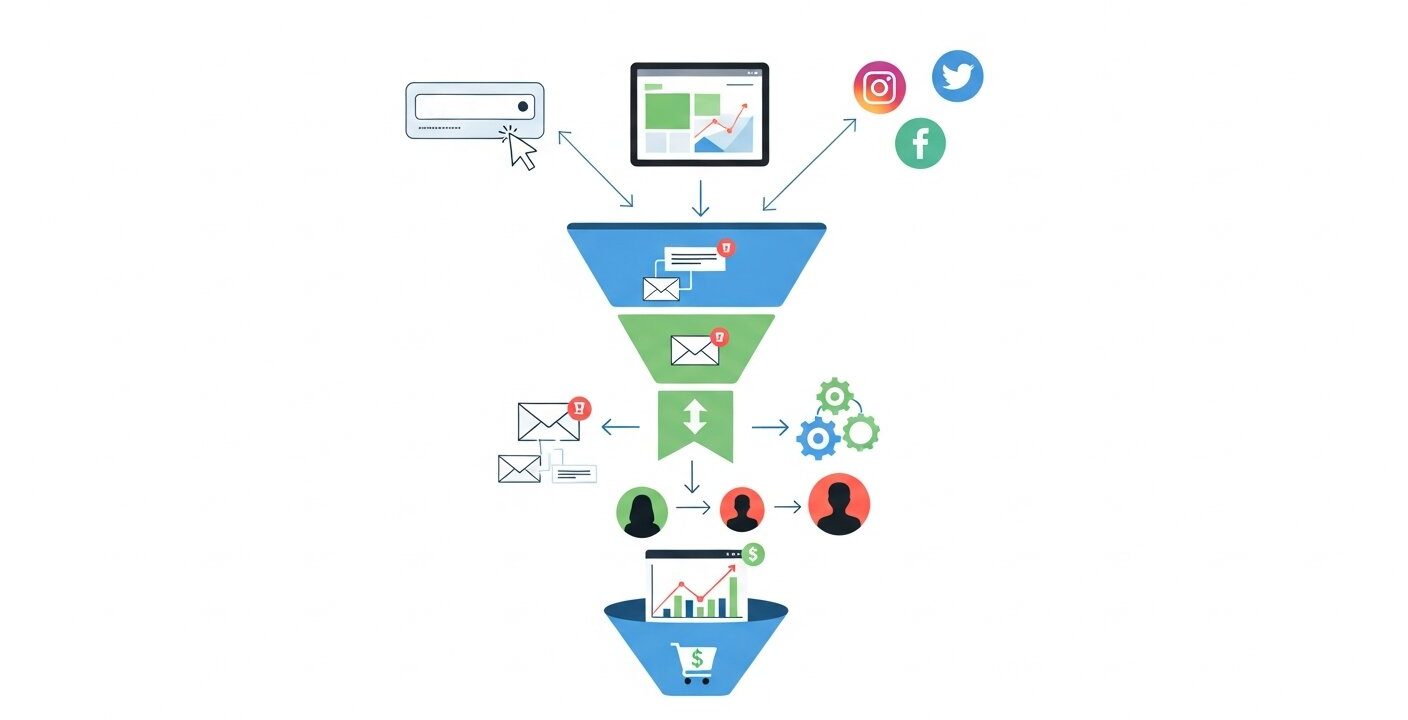
Most website visitors will not make a purchase on their first visit. They browse your products, read a blog post, and leave without leaving a trace. Capturing their email address gives you a second chance to build a relationship and guide them toward a sale.
Learning how to create an email marketing funnel allows you to systematically turn casual visitors into loyal customers. An email marketing funnel is a series of automated emails designed to take subscribers on a journey. You start by offering value, build trust over time, and eventually present an offer they cannot resist.
This guide covers everything you need to know about setting up your email sequences. You will learn the exact steps to design an automated system that works around the clock to grow your business.
Email Funnel Strategy for Beginners
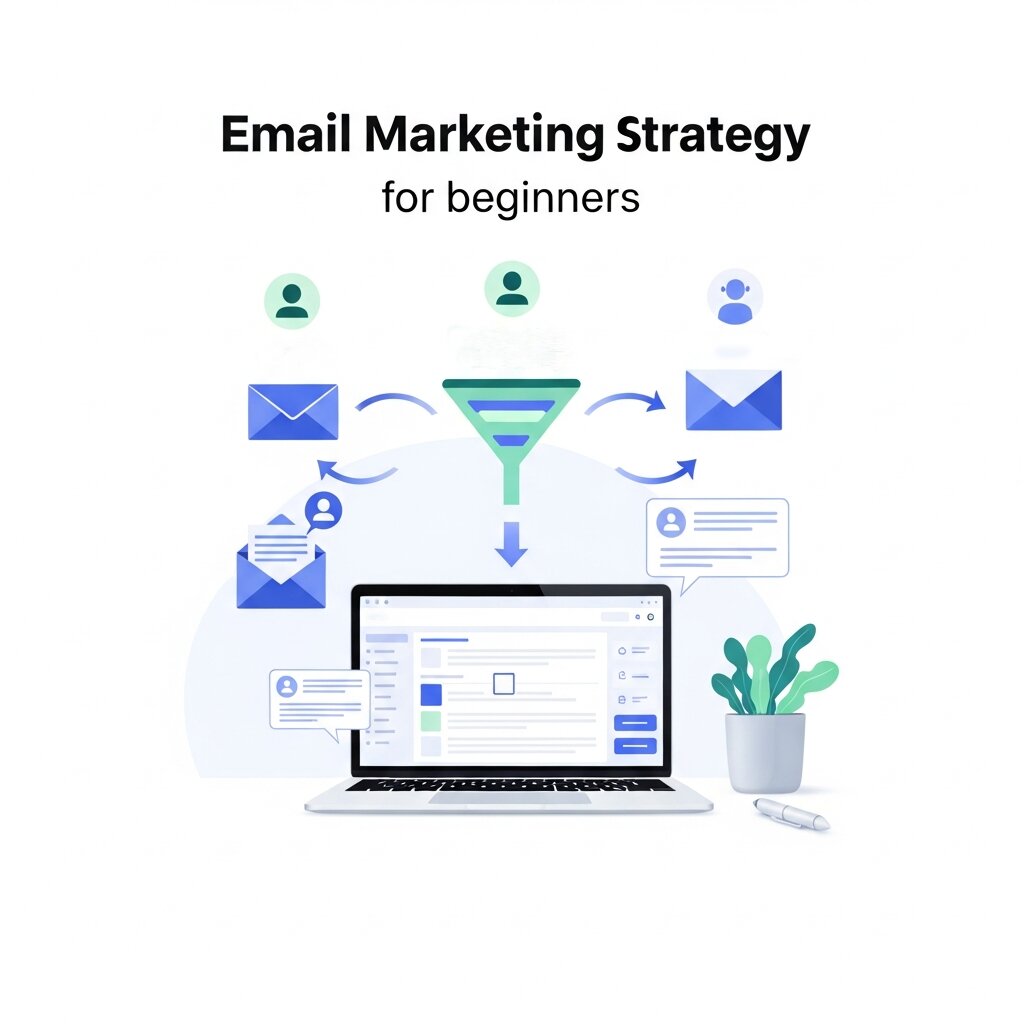
If you are new to email marketing, the terminology can feel overwhelming. At its core, an email marketing funnel simply maps out the customer journey. You attract people at the top of the funnel, build their interest in the middle, and encourage a purchase at the bottom.
An effective email funnel strategy for beginners starts with a clear goal. Do you want to sell a digital product, book more consultation calls, or drive traffic to your e-commerce store? Once you know the end goal, you can reverse-engineer the steps required to get your subscriber there. Learning from email marketing made simple for beginners can help you structure this properly.
Email Marketing Funnel Step by Step Guide
Building a profitable email funnel requires careful planning. Follow this email marketing funnel step by step guide to launch a system that turns subscribers into buyers.
Attract Subscribers with a Lead Magnet
People fiercely protect their inbox. To get their email address, you must offer something valuable in return. This is where lead magnets come in. You can explore deeper tactics in how to create an email marketing funnel for practical setup ideas.. This could be a checklist, an ebook, a discount code, or a free trial. Place sign-up forms on your website, landing pages, and social media profiles to promote your lead magnet.
Email Marketing Automation Funnel Setup
Once a user subscribes, you need automation to deliver emails at the right time. A strong system depends on choosing the right tools and structure. This is where understanding email marketing automation explained becomes essential. Your email marketing automation funnel setup involves creating a workflow where specific actions trigger specific emails. For example, joining a specific list triggers the welcome sequence.
Lead Nurturing Email Funnel Sequence
After delivering the freebie, you must build trust. A lead nurturing email funnel sequence typically spans three to five emails. You can share your brand story, highlight customer success stories, and provide educational content. The goal here is to prove your expertise and show the subscriber that you understand their pain points.
Converting Leads with Email Marketing Funnel
Now that you have built a relationship, it is time to make an offer. Converting leads with an email marketing funnel requires a clear, compelling pitch. Explain the benefits of your product or service, address common objections, and provide a strong call to action (CTA). Adding a limited-time bonus or a discount can create urgency and encourage people to buy immediately.
How to Build an Automated Email Funnel
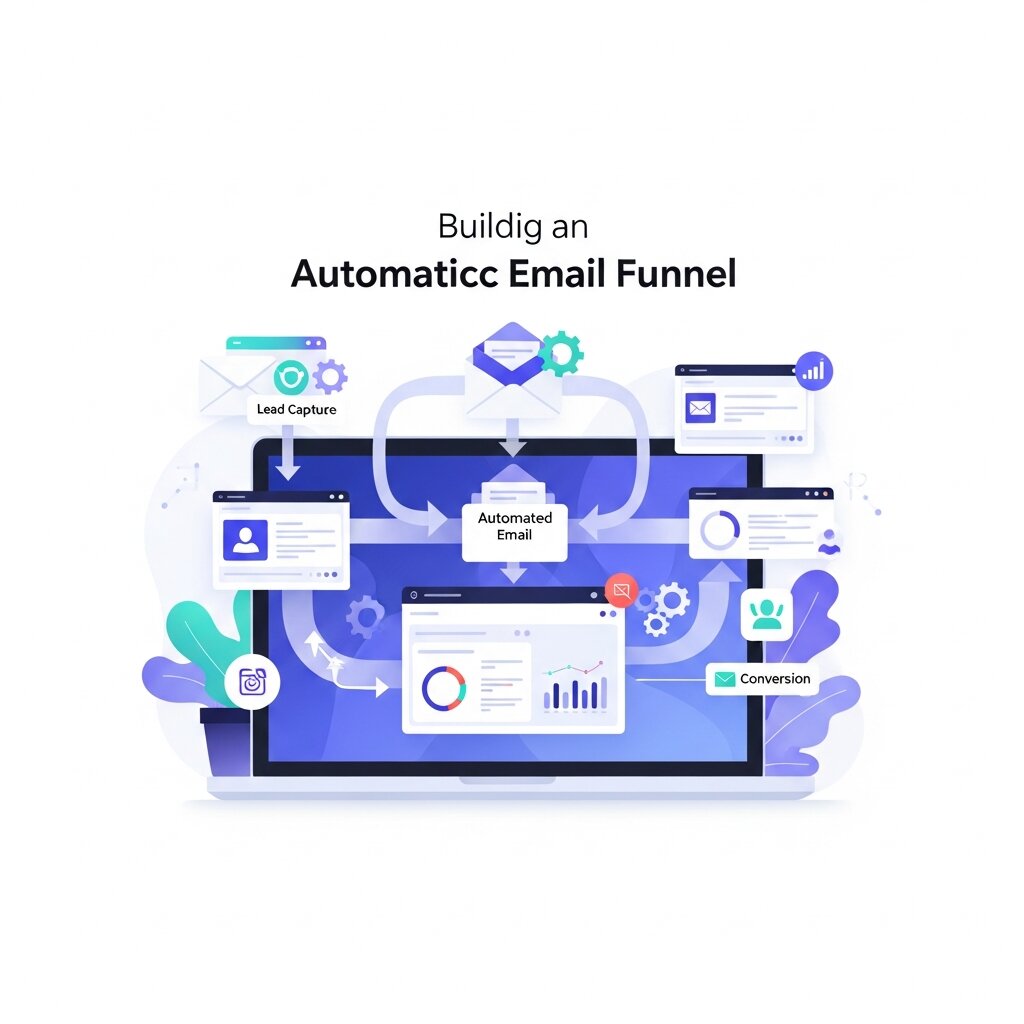
Automation is the secret weapon of successful digital marketers, and understanding how to build an automated email funnel can completely transform the way you manage leads and sales. Instead of manually sending emails to every subscriber, automation allows you to create a structured system that delivers the right message at the right time based on user behavior. This not only saves time but also ensures every subscriber gets a consistent and personalized experience throughout their journey.
When building an automated system, start by selecting a reliable email marketing platform that supports workflows, tagging, and segmentation. Then define your funnel stages clearly—such as lead capture, nurturing, conversion, and post-purchase engagement. Each stage should trigger specific email sequences automatically, helping you scale your marketing without losing personalization or control.
How to Design an Email Conversion Funnel
Designing a high-performing email conversion funnel starts long before you write your emails. First, map out the entire customer journey on a whiteboard or digital planner. Identify what your subscriber needs to learn, feel, and trust at each stage before they make a purchase decision. This strategic planning ensures your funnel is structured for maximum engagement and conversion.
Next, carefully plan your email sequence. Decide how many emails you need and what each one should achieve—whether it’s building awareness, providing value, handling objections, or making an offer. Timing is also critical in an effective email conversion funnel. A common approach is to send the welcome email immediately after signup, followed by educational or value-driven emails every two days, and then transition into a focused promotional or sales sequence with daily emails toward the end.
By combining thoughtful planning with automation, your email conversion funnel becomes a powerful system that consistently nurtures leads, builds trust, and drives predictable sales results.
Email Drip Campaign Funnel Strategy
An email drip campaign is a series of pre-written messages delivered on a set schedule. Your email drip campaign funnel strategy should focus on value first. If you send five emails, the first three should be purely educational. The fourth can introduce your product as a solution, and the fifth should be a direct sales pitch.
Sales Funnel Using Email Marketing
A sales funnel using email marketing doesn’t stop once a customer makes their first purchase—it actually becomes even more valuable after that point. At this stage, your subscriber shifts from being a prospect to an active customer, and your funnel should evolve to match their new journey and needs.
Instead of continuing to send the same promotional emails, it’s important to segment your audience properly. Move buyers into a separate email list or use tagging inside your email marketing tool so you can tailor communication more effectively. This ensures your sales funnel using email marketing stays relevant and avoids sending unnecessary or repetitive offers.
After segmentation, focus on building a strong onboarding experience. A structured onboarding sequence helps customers understand how to use their purchase effectively, increases satisfaction, and reduces refund rates. This also builds trust and strengthens your brand relationship.
Once customers are successfully onboarded, you can gradually introduce upsell and cross-sell sequences. These emails can promote complementary products, premium upgrades, or exclusive services that enhance their original purchase. When done correctly, a well-structured sales funnel using email marketing not only increases customer lifetime value but also turns one-time buyers into loyal, repeat customers.
Best Practices for Email Marketing Funnels
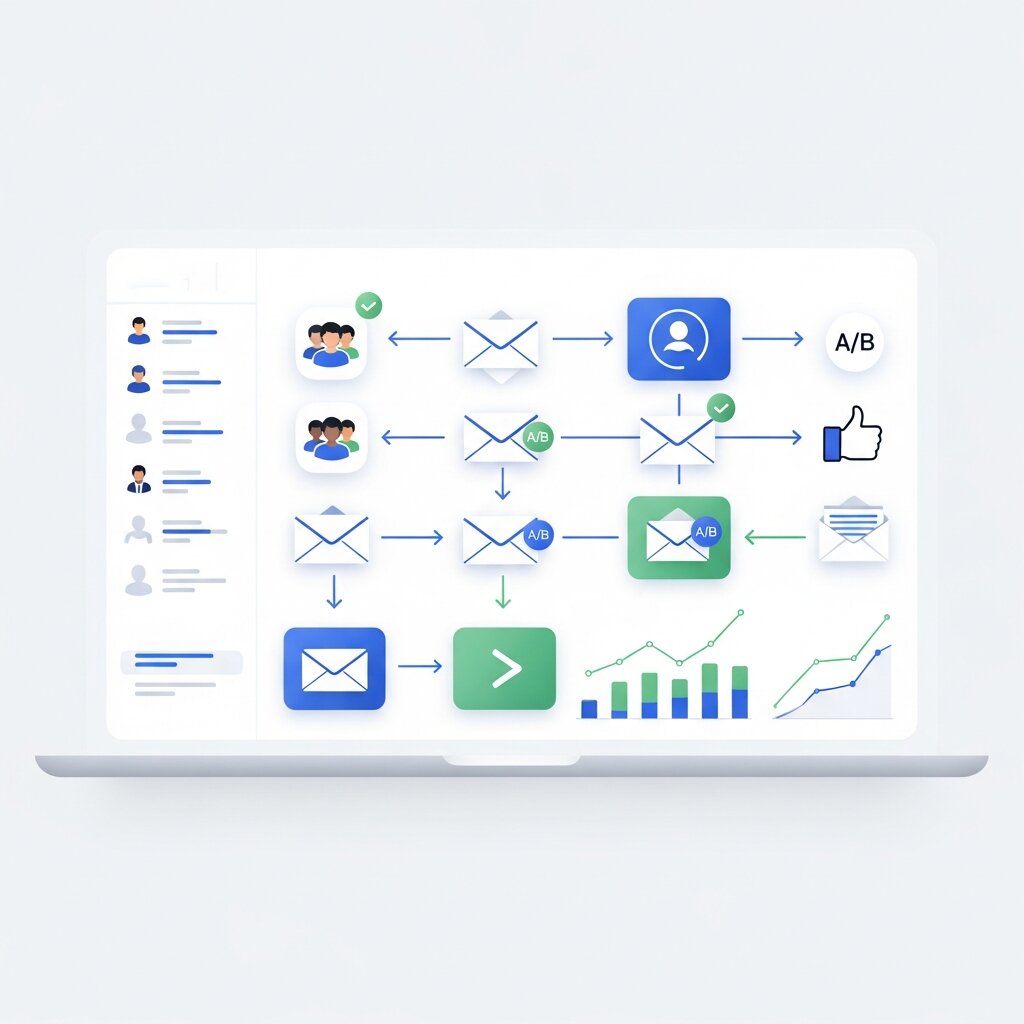
To get the highest return on investment, keep these best practices for email marketing funnels in mind:
- Segment your audience: Group subscribers based on their interests, behavior, or purchase history. Sending targeted emails increases open rates and conversions.
- Write compelling subject lines: Your email is useless if no one opens it. Keep subject lines short, generate curiosity, and avoid spammy words.
- Focus on one call to action: Do not confuse your readers. Each email should have one clear next step, whether that is reading a blog post, watching a video, or buying a product.
- Clean your list regularly: Remove subscribers who have not opened your emails in the last six months. This improves your deliverability rates and keeps your emails out of the spam folder.
- Test and optimize: Use A/B testing to compare different subject lines, email copy, and send times. Review your analytics to see where people drop off and refine your strategy over time.
Frequently Asked Questions
What is an email marketing funnel?
An email marketing funnel is an automated sequence of emails designed to guide a subscriber from initial awareness to making a purchase.
Why do I need an email funnel?
An email funnel allows you to build relationships with your audience automatically, nurture leads, and generate sales around the clock without manual effort.
How many emails should be in a funnel?
A standard welcome and sales funnel typically contains 5 to 7 emails, but the length can vary based on the complexity of your product and the price point.
What is a lead magnet?
A lead magnet is a free incentive, such as a PDF guide or a discount code, offered to website visitors in exchange for their email address.
How often should I send emails in a funnel?
For a new subscriber, sending an email every 1 to 2 days keeps your brand fresh in their mind without overwhelming their inbox.
What software do I need to create an email funnel?
You will need an Email Service Provider (ESP) that supports automation, such as Mailchimp, ConvertKit, ActiveCampaign, or Klaviyo.
How do I write good email subject lines?
Keep them concise, create a sense of curiosity, ask a question, or highlight a direct benefit to encourage the recipient to open the email.
What is the difference between a drip campaign and a funnel?
A drip campaign is a series of scheduled emails, while a funnel is a strategic journey designed to move a subscriber toward a specific conversion goal.
How do I stop my emails from going to spam?
Ask subscribers to whitelist your email address, avoid using too many promotional keywords, and regularly remove inactive subscribers from your list.
What is email segmentation?
Segmentation is the process of dividing your email list into smaller groups based on specific criteria, allowing you to send highly relevant content to each group.
Can I use an email funnel for a service-based business?
Yes. Service providers can use funnels to educate leads, share case studies, and encourage prospects to book a consultation call.
How do I measure the success of my email funnel?
Track key performance metrics including your open rate, click-through rate, conversion rate, and the overall revenue generated from the sequence.
What should my welcome email say?
Your welcome email should deliver the promised lead magnet, introduce your brand, and let subscribers know what kind of content they can expect from you in the future.
Should I include images in my emails?
Use images sparingly. While they can make an email look appealing, text-heavy emails often feel more personal and tend to have higher deliverability rates.
How long does it take to set up an automated funnel?
Depending on your experience level and the length of the sequence, you can map out, write, and build a basic email funnel in a few days.
Next Steps for Your Email Marketing Journey
Understanding how to create an email marketing funnel that converts is one of the most valuable skills you can develop for long-term online success. A well-structured funnel allows you to guide potential customers step-by-step—from discovering your brand, to building trust, and finally making a purchase. By mapping the full customer journey, creating targeted and helpful content, and using automation tools, you can build a system that consistently generates leads and drives revenue on autopilot.
To get started, keep things simple. Begin by setting up a strong lead magnet that offers real value to your audience, then build a basic three-part welcome sequence that introduces your brand and nurtures trust. This initial setup is the foundation of a successful email marketing funnel that converts visitors into loyal customers. Once it is live, focus on collecting data such as open rates, click-through rates, and subscriber behavior.
As you grow, you can expand your funnel by adding advanced email sequences, segmenting your audience, testing different messaging strategies, and promoting new offers. Over time, refining your copy and optimizing each stage of your email marketing funnel will significantly improve conversions and help you turn a simple email list into a powerful revenue-generating asset.


I'm Email Marketer who crafts targeted campaigns that drive engagement, nurture leads, and boost conversions. With a passion for creating personalized email strategies.





No Comments